For our second full day in the Sasebo area, we decided to drive in a loop around some different sights in Saga prefecture
Tozen Shrine
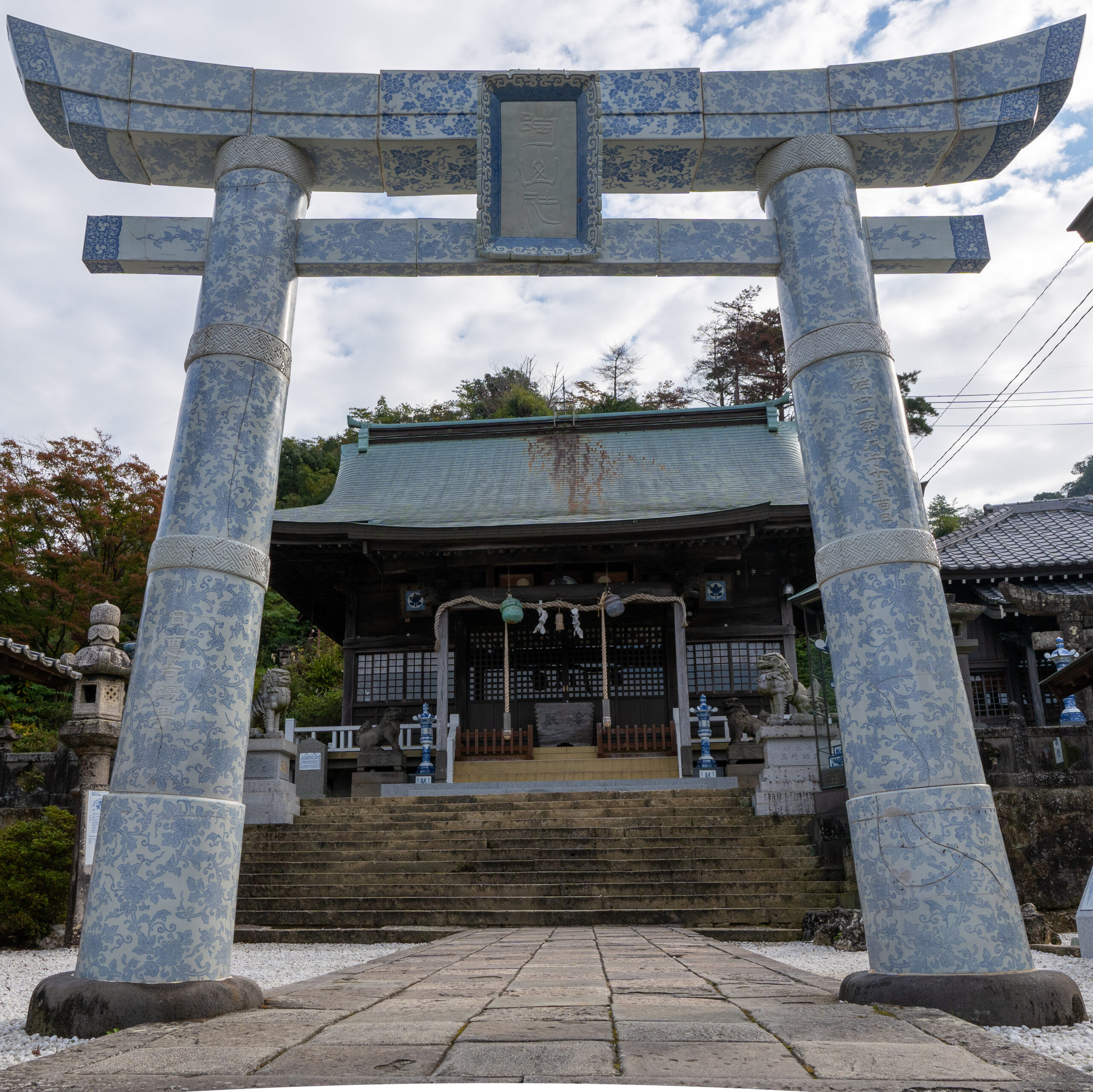
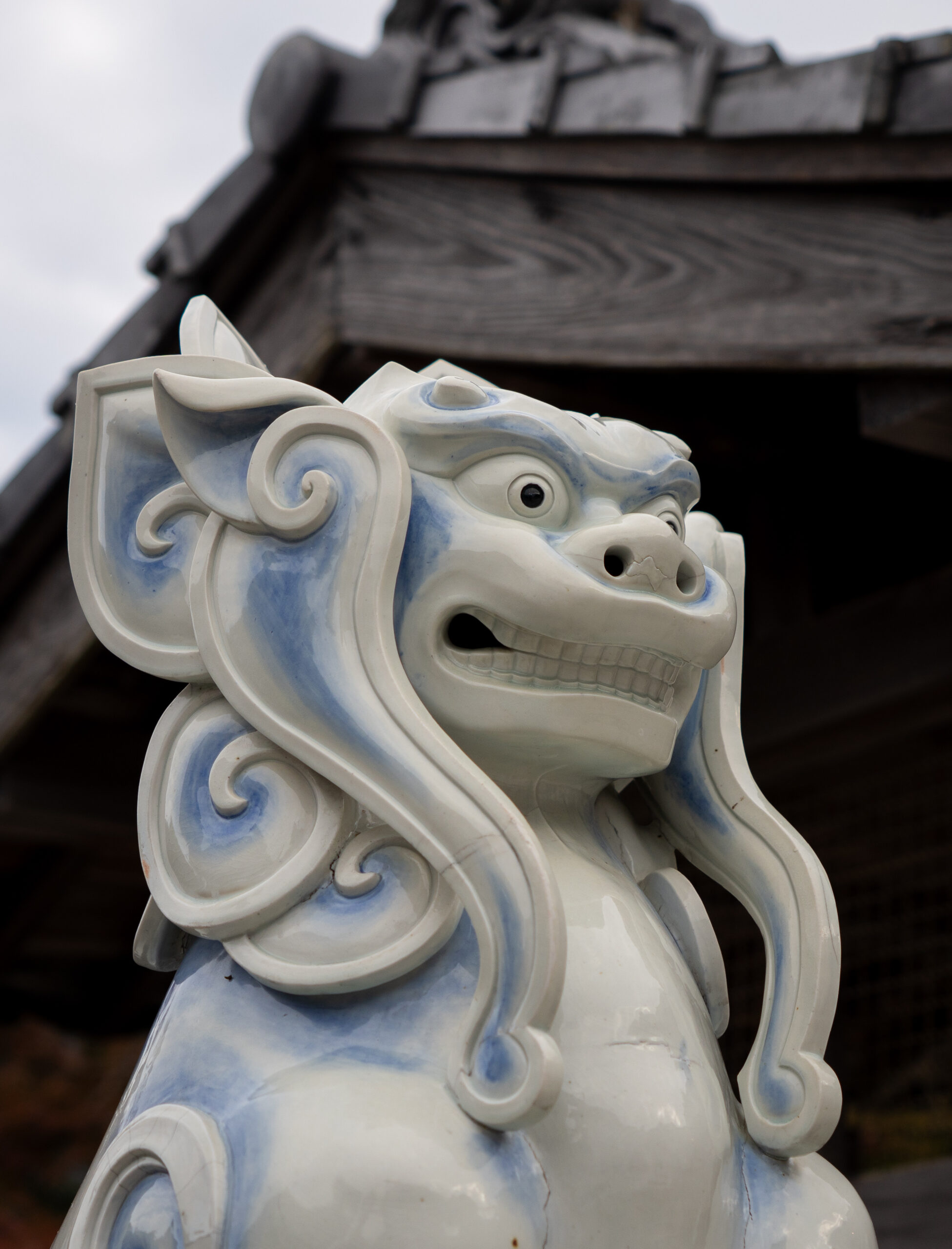
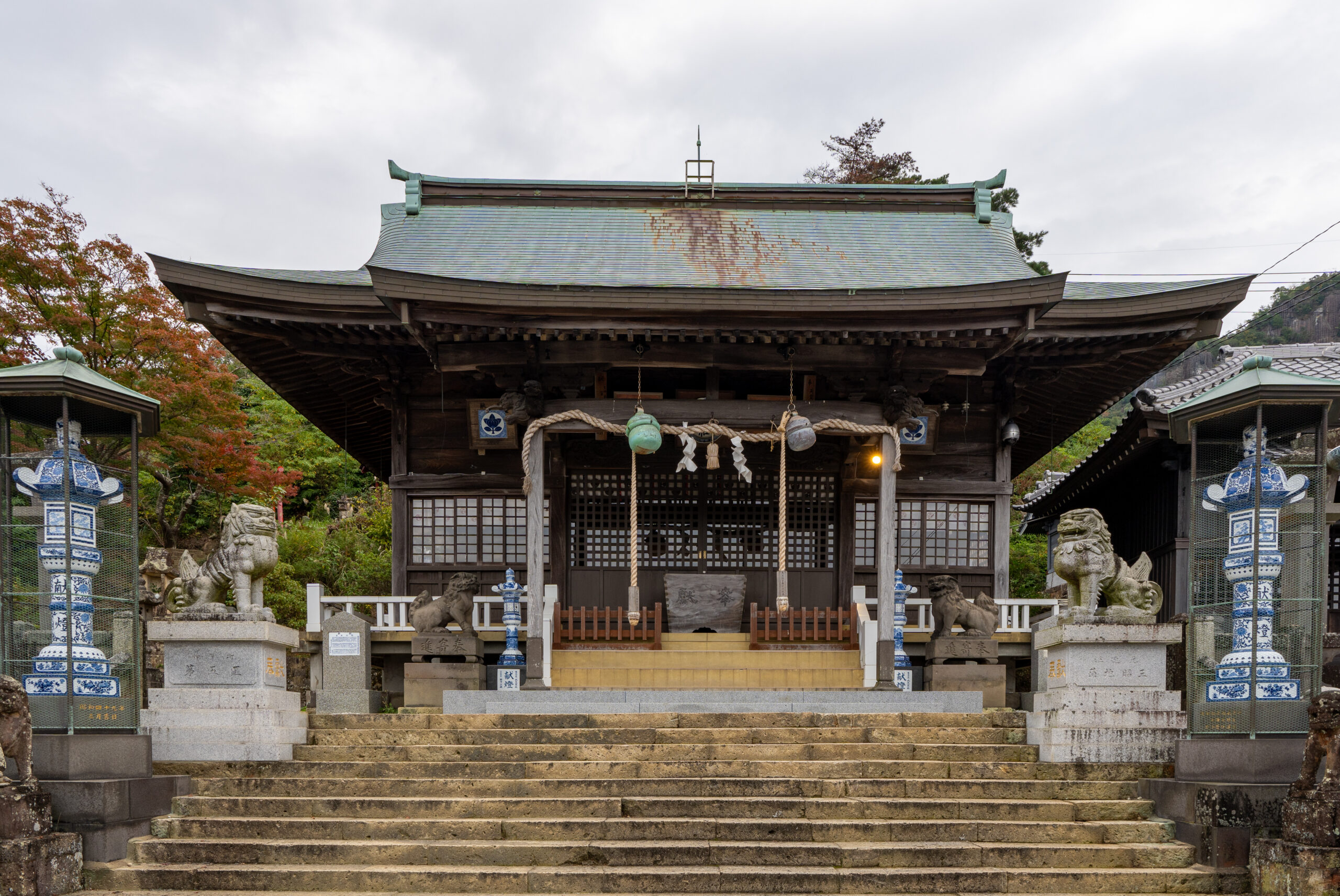
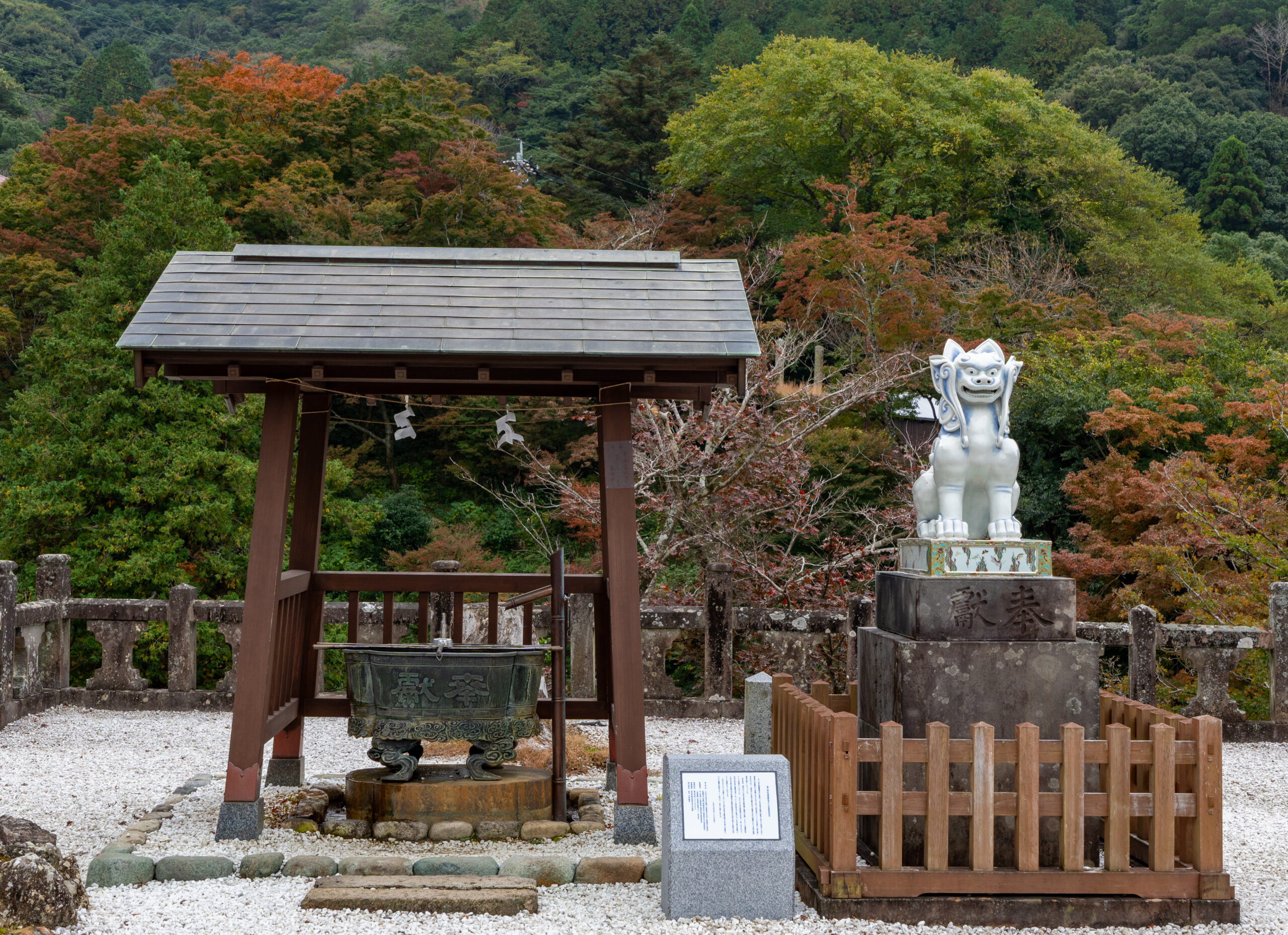
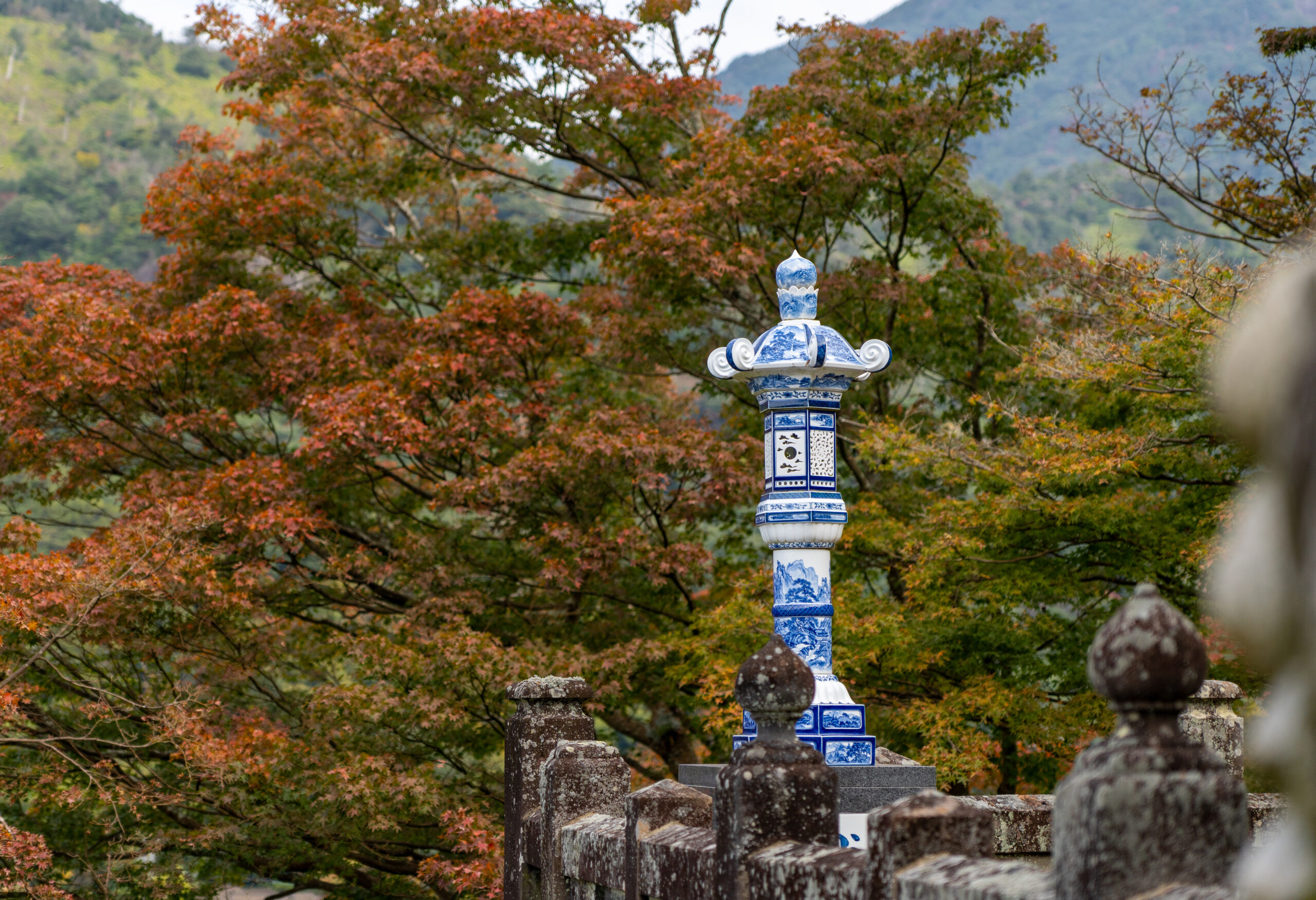
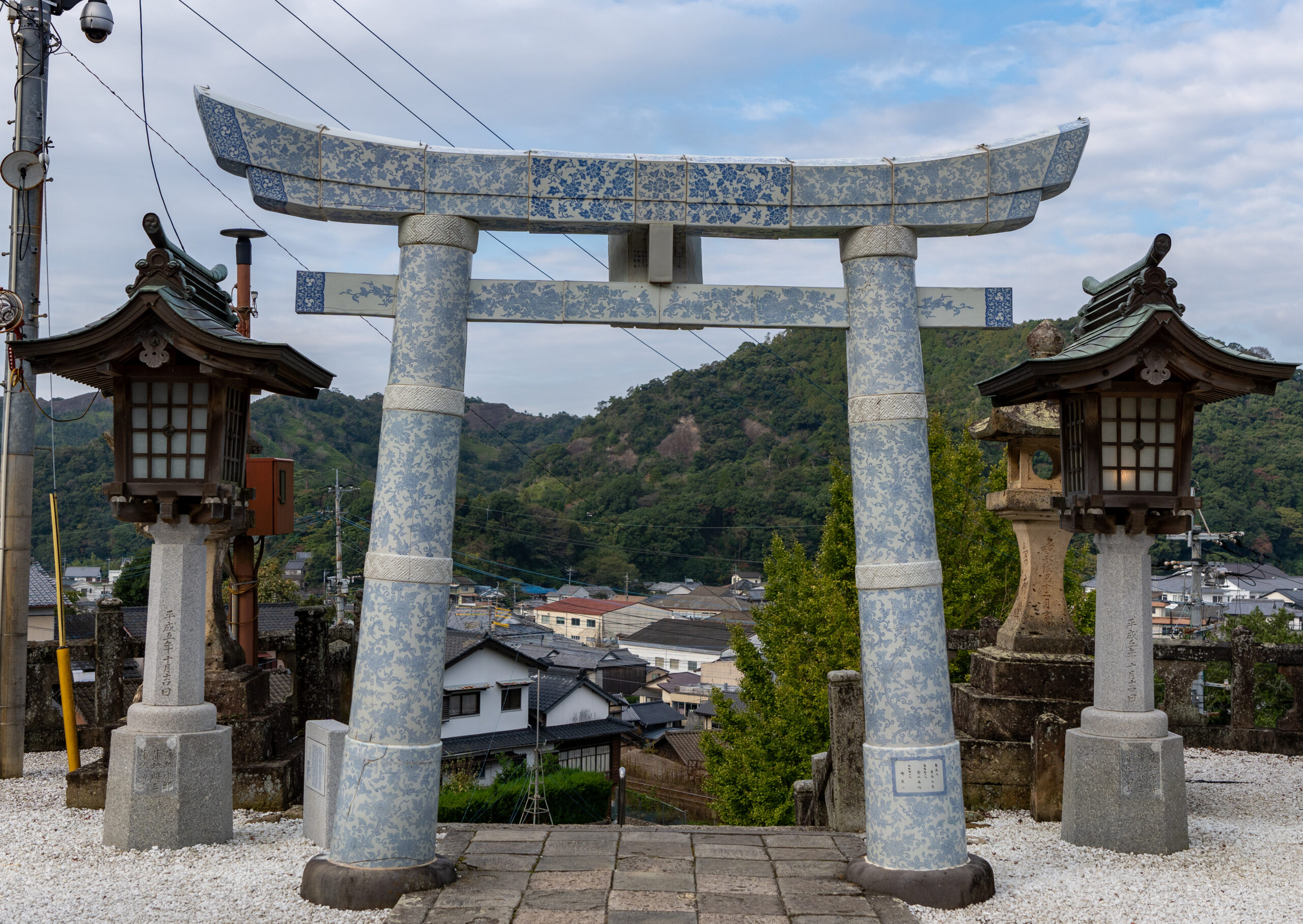
First stop was Sueyama, or Tozen, Shrine in Arita. Arita is famous for porcelain, specifically blue and white arita ware, which is Japan’s oldest porcelain, from the early 16th century. This shrine, founded in 1658 is unique for its porcelain decorations, the most unusual being the large arita ware torii gate which was added in 1888.
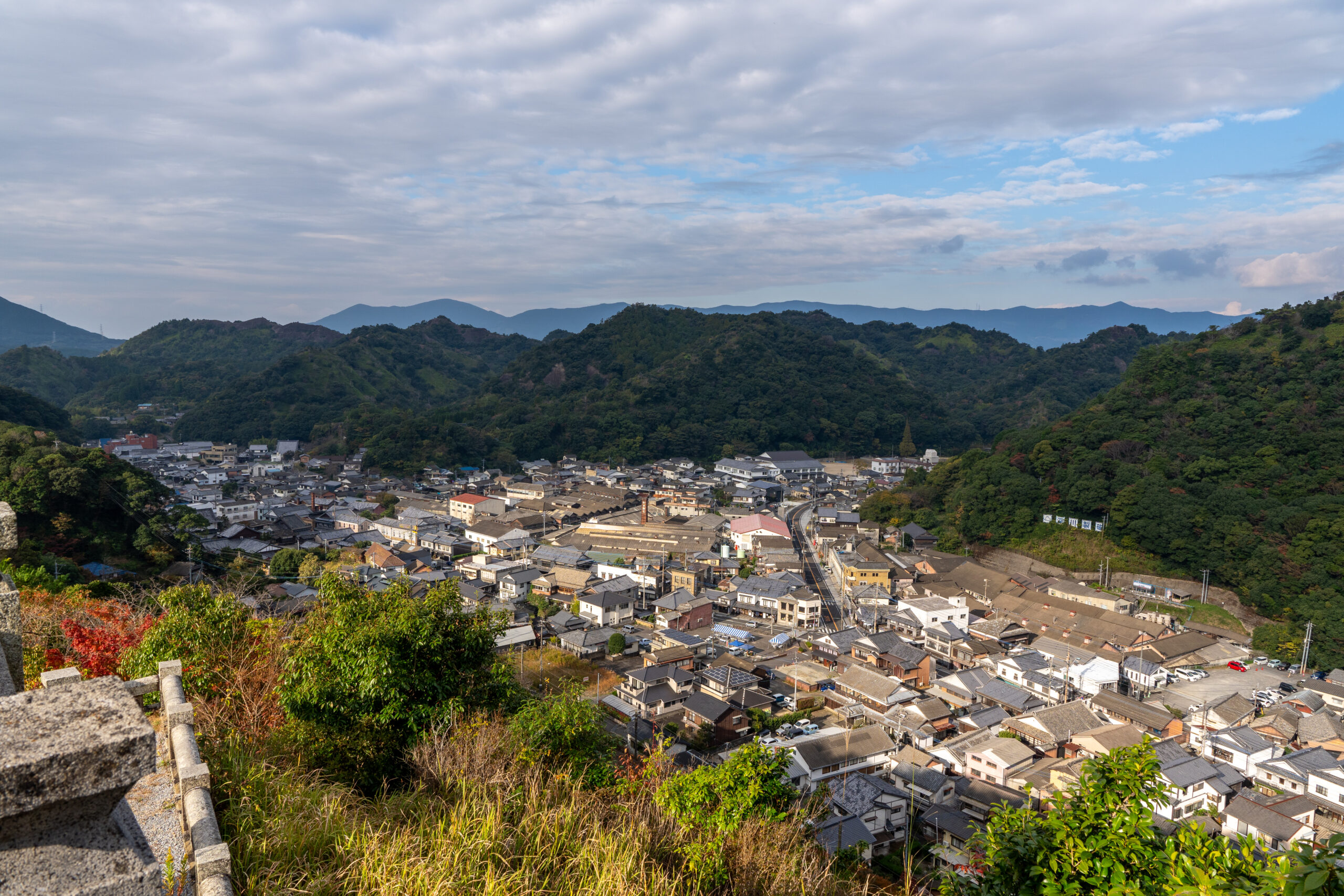
A path led from the back of the trail up the hillside to a monument to the Korean potter that introduced porcelain manufacturing to Arita, and had a good view over the town below.
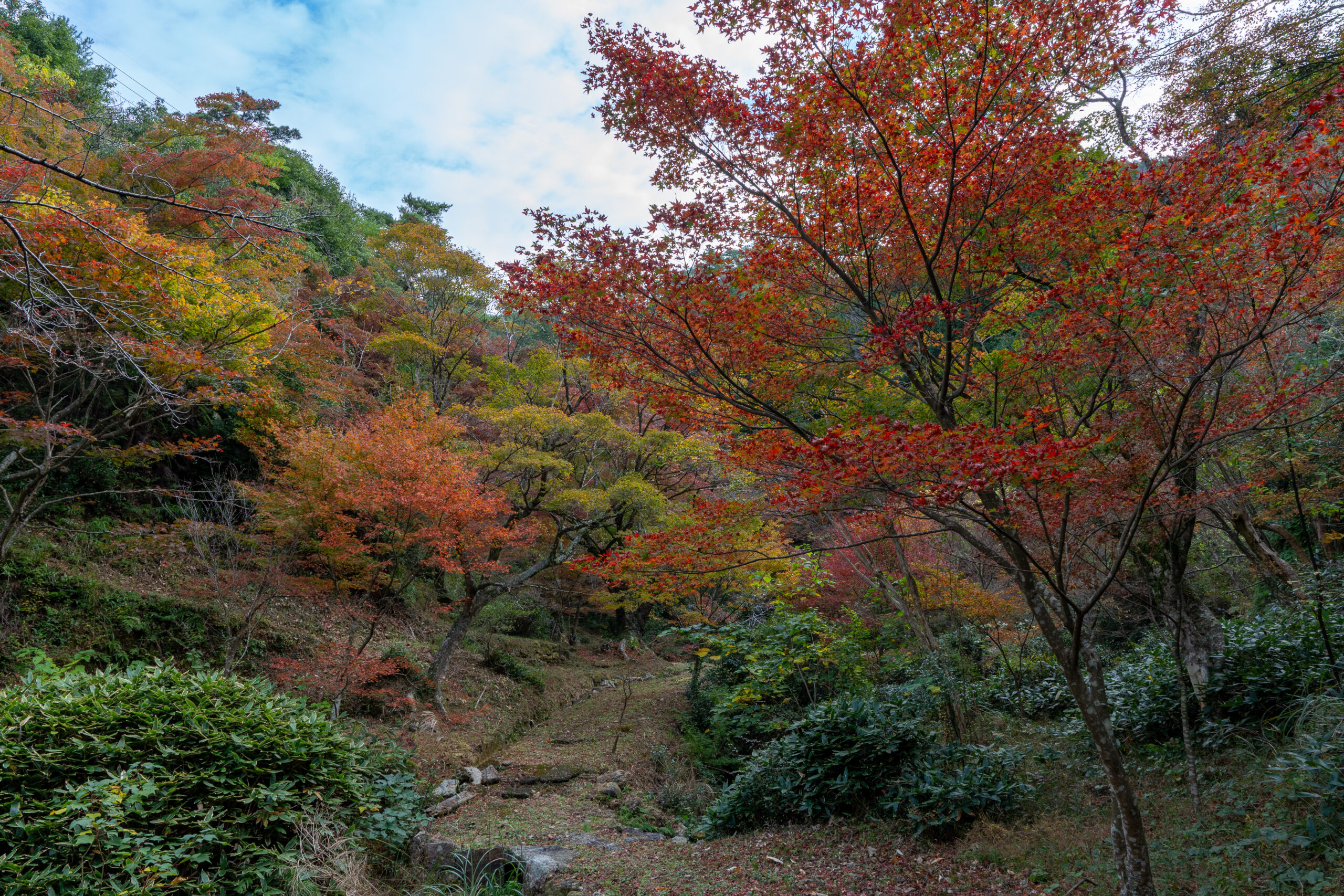
We found a little wooded pond area to the side of the shrine that had some nice autumn colours.
Arita
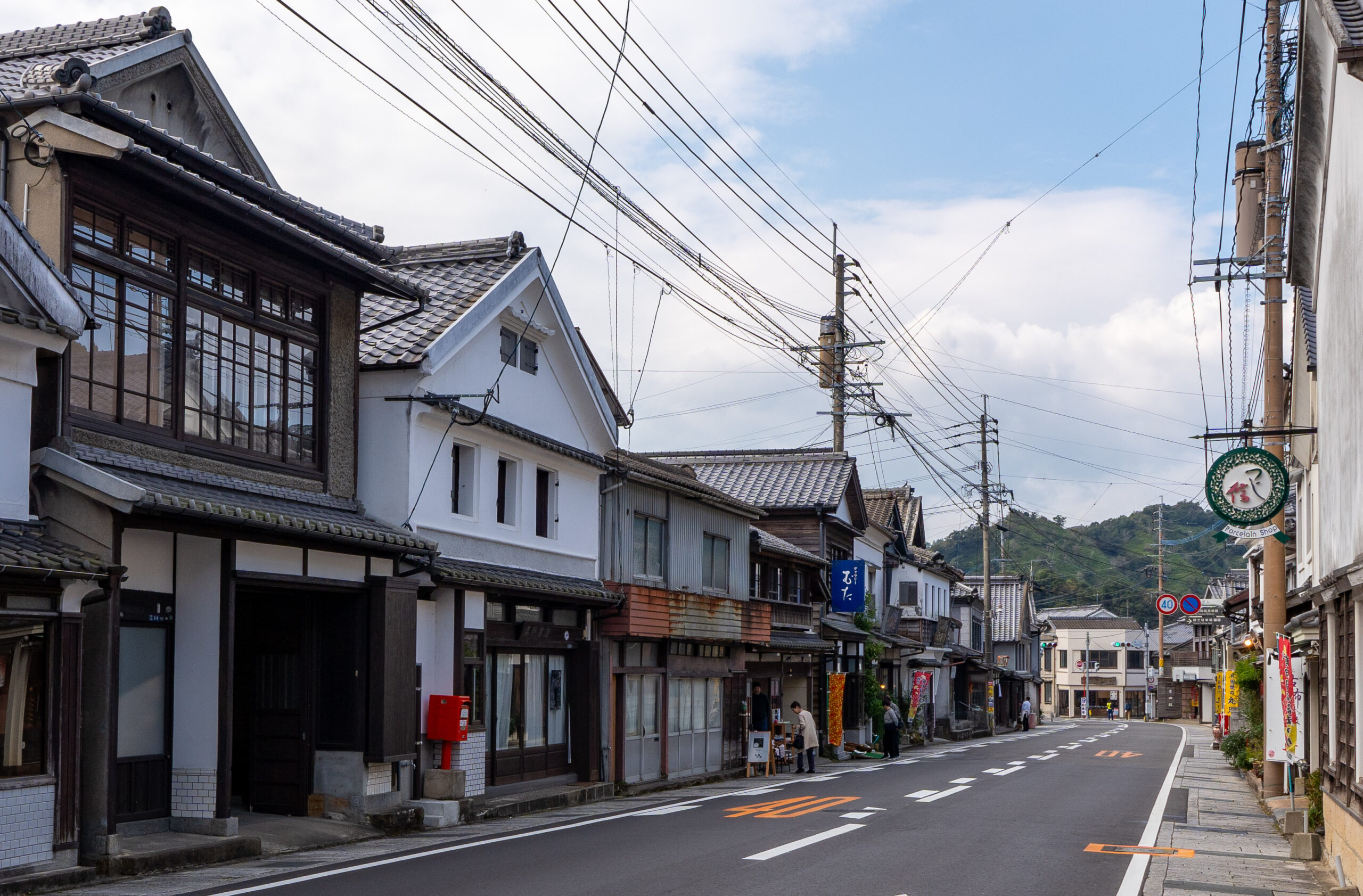
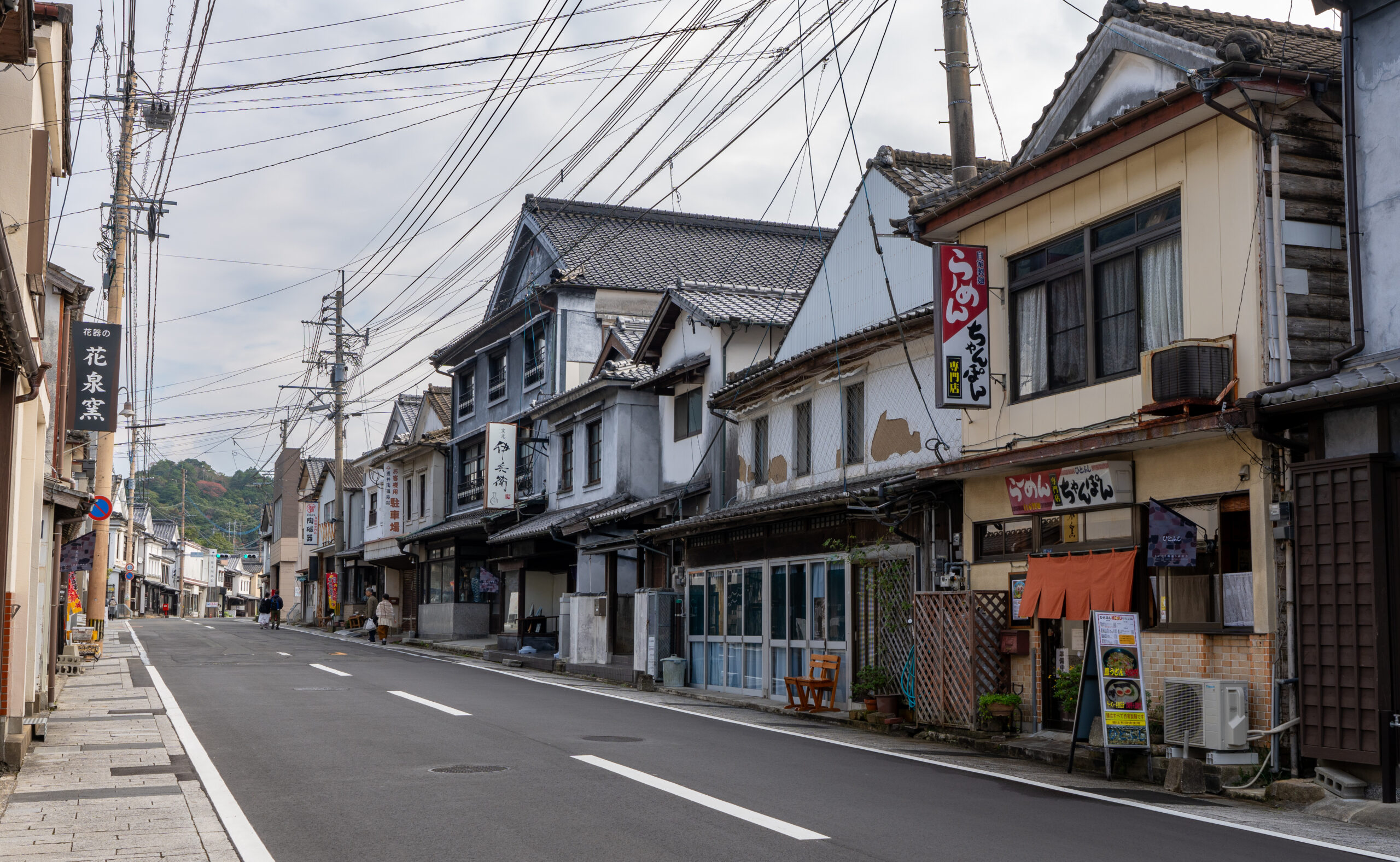
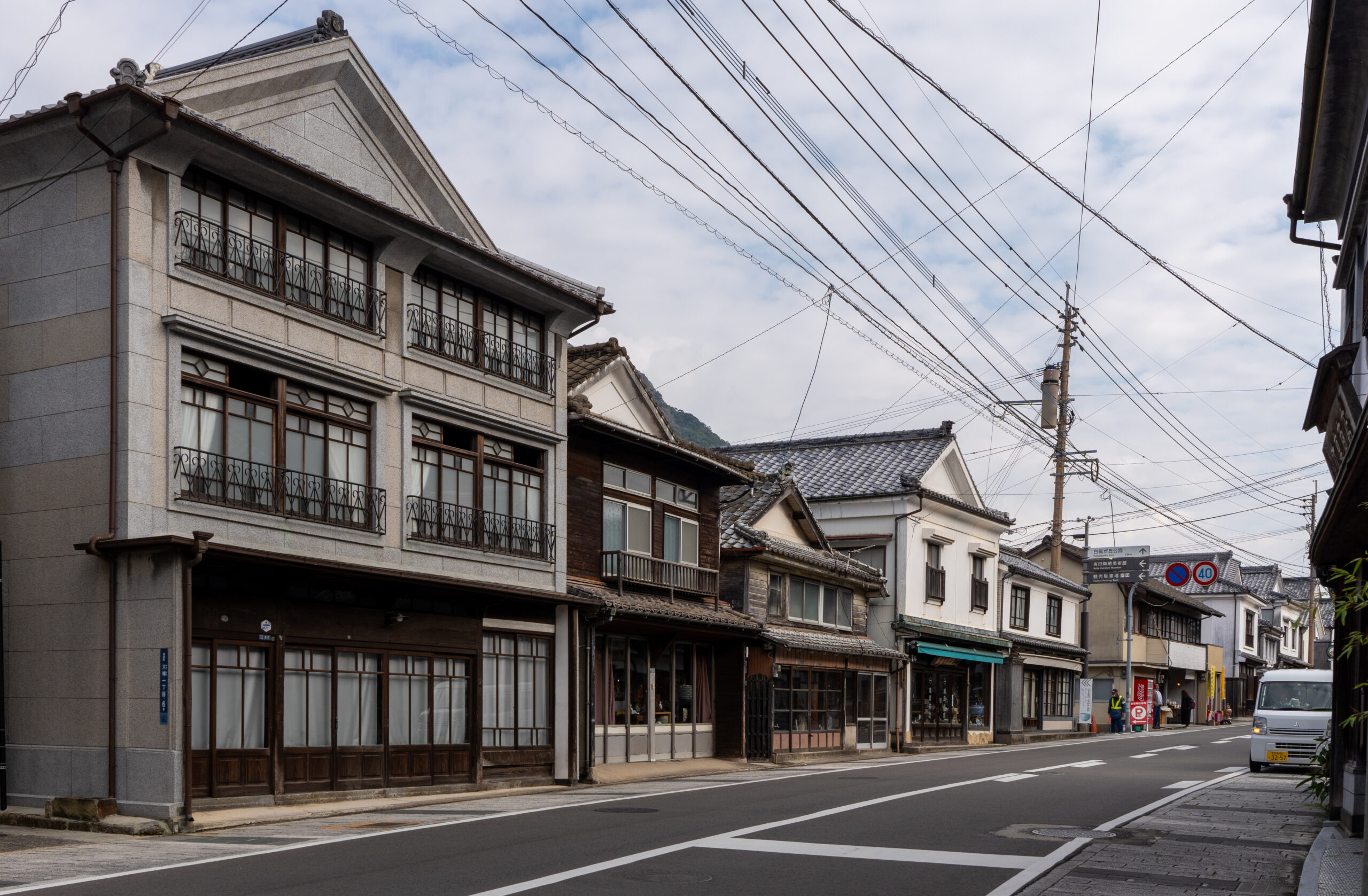
After our visit to the shrine, we went for a short walk around the ‘old town’ area of Arita. It has a lot of historic buildings and pottery shops.
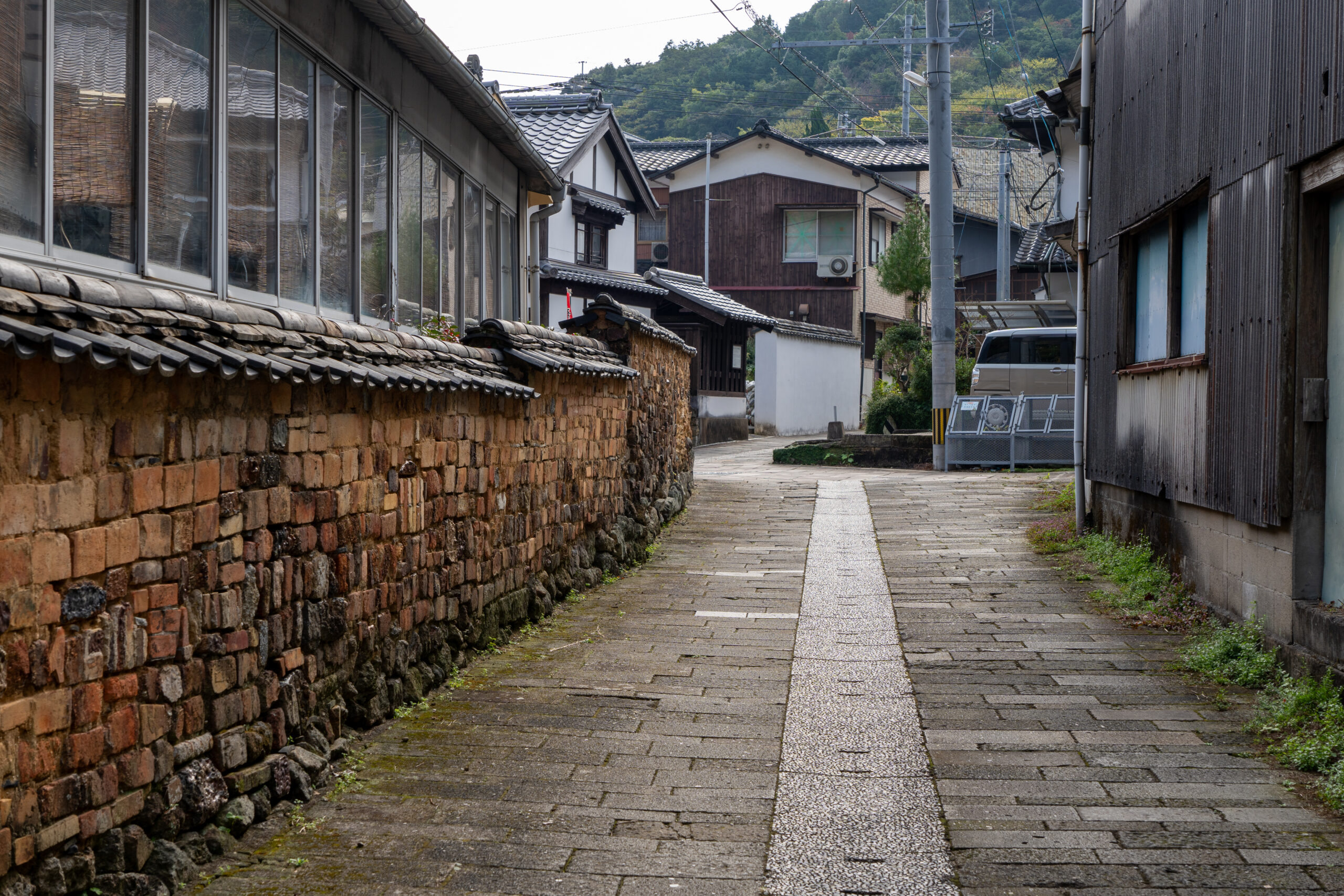
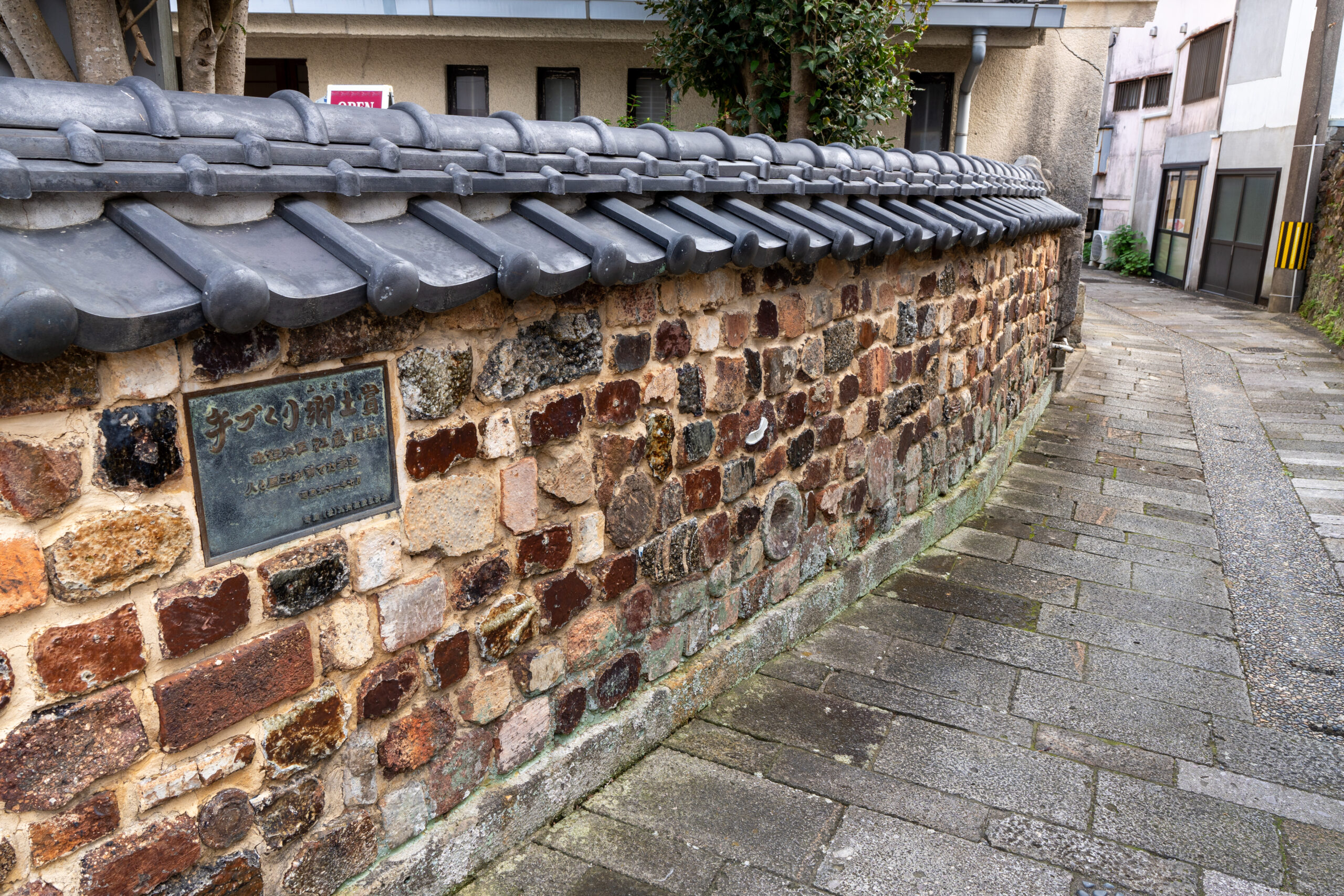
Behind the main road were smaller streets lined with walls made of old kiln bricks and discarded pottery called Tonbai walls. These were built around the potteries to hide their techniques from others
Mifuneyama Rakuen
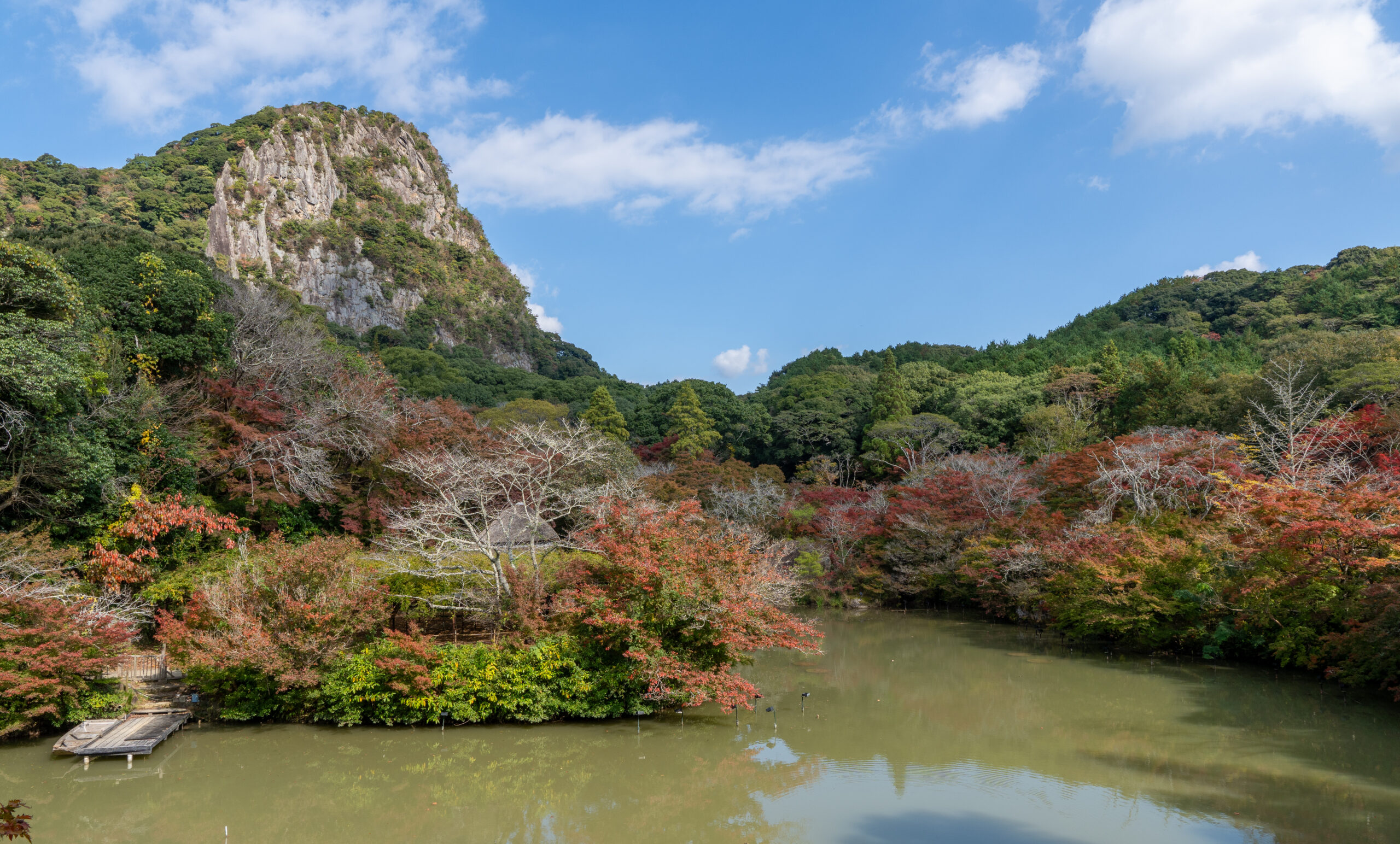
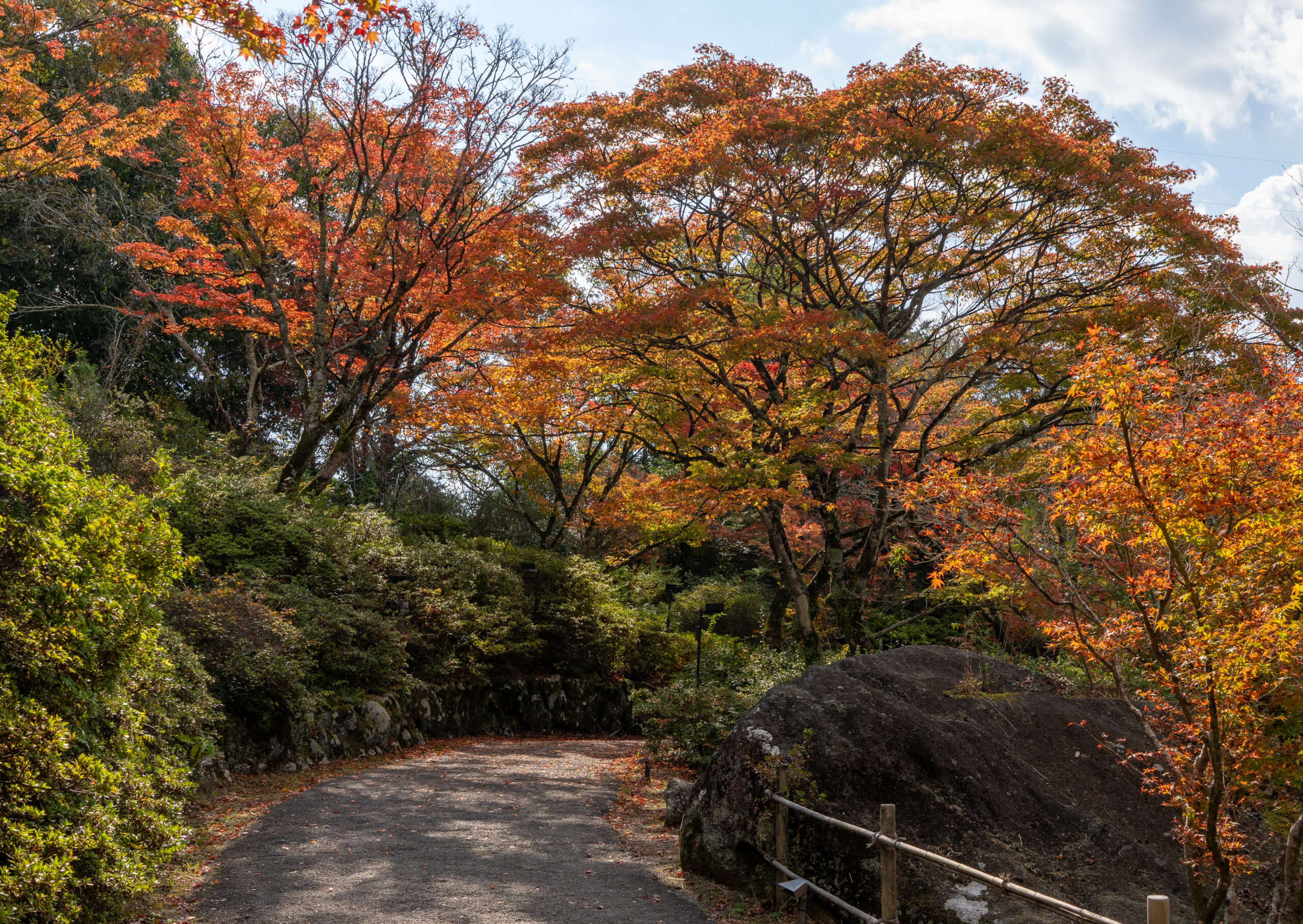
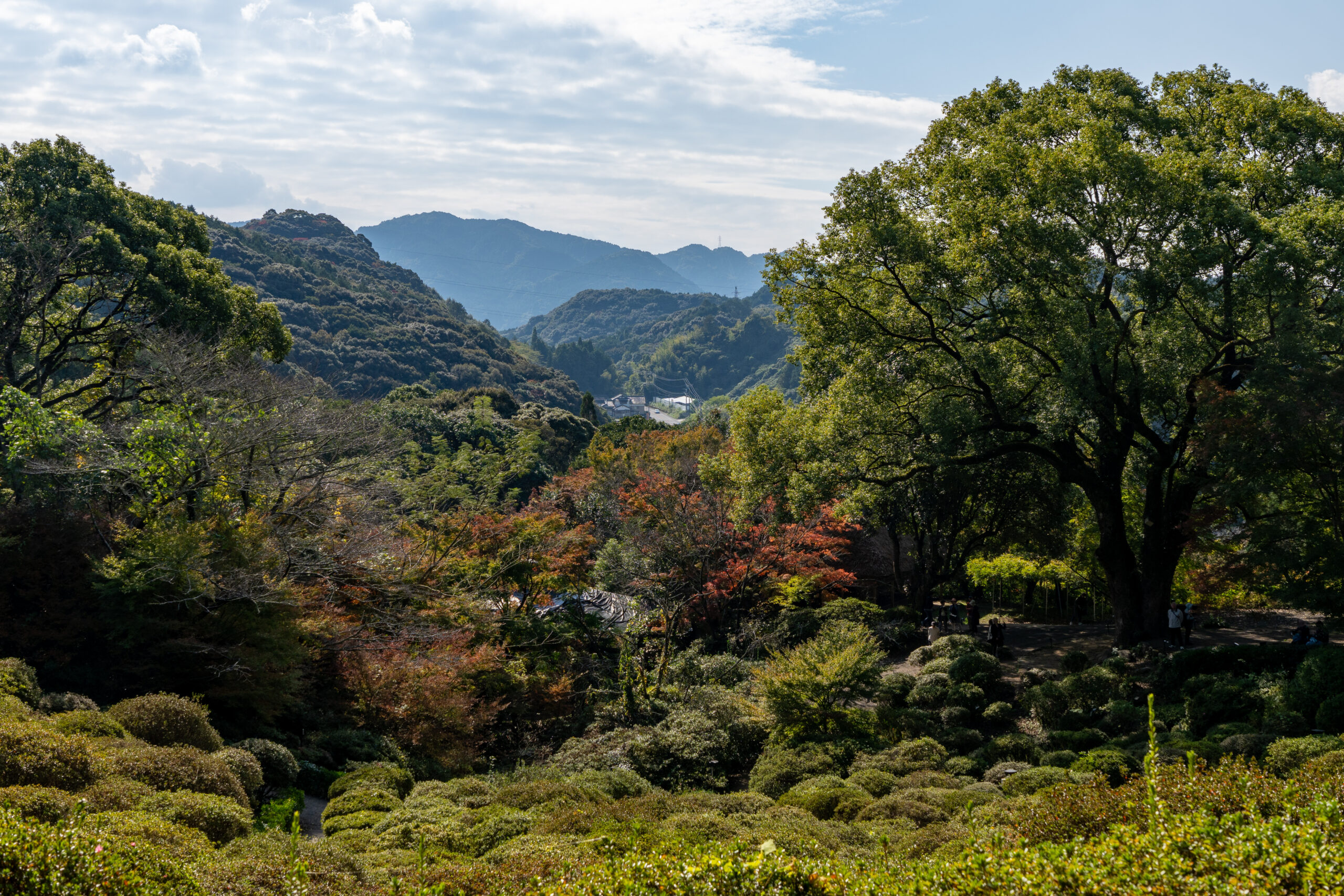
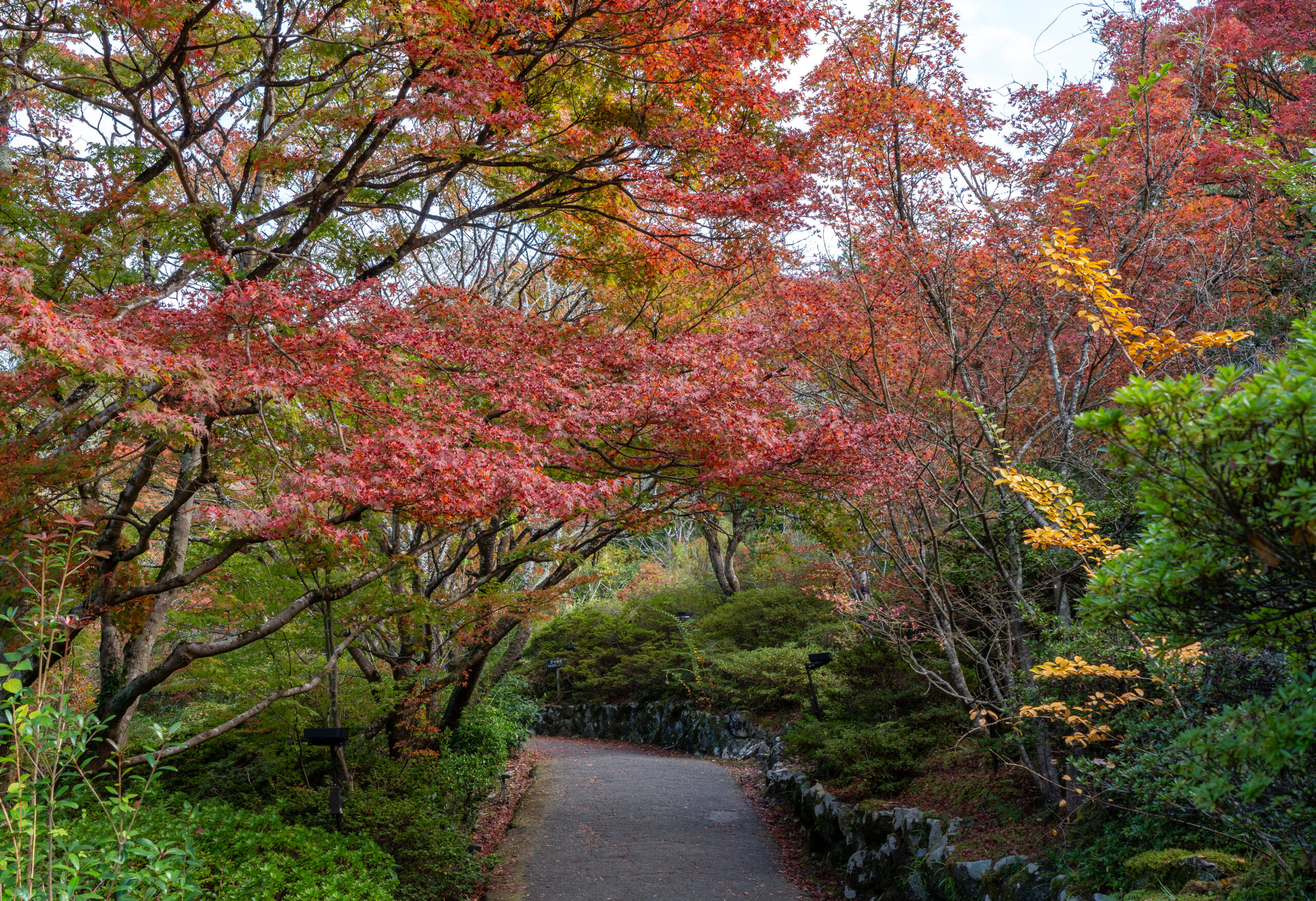
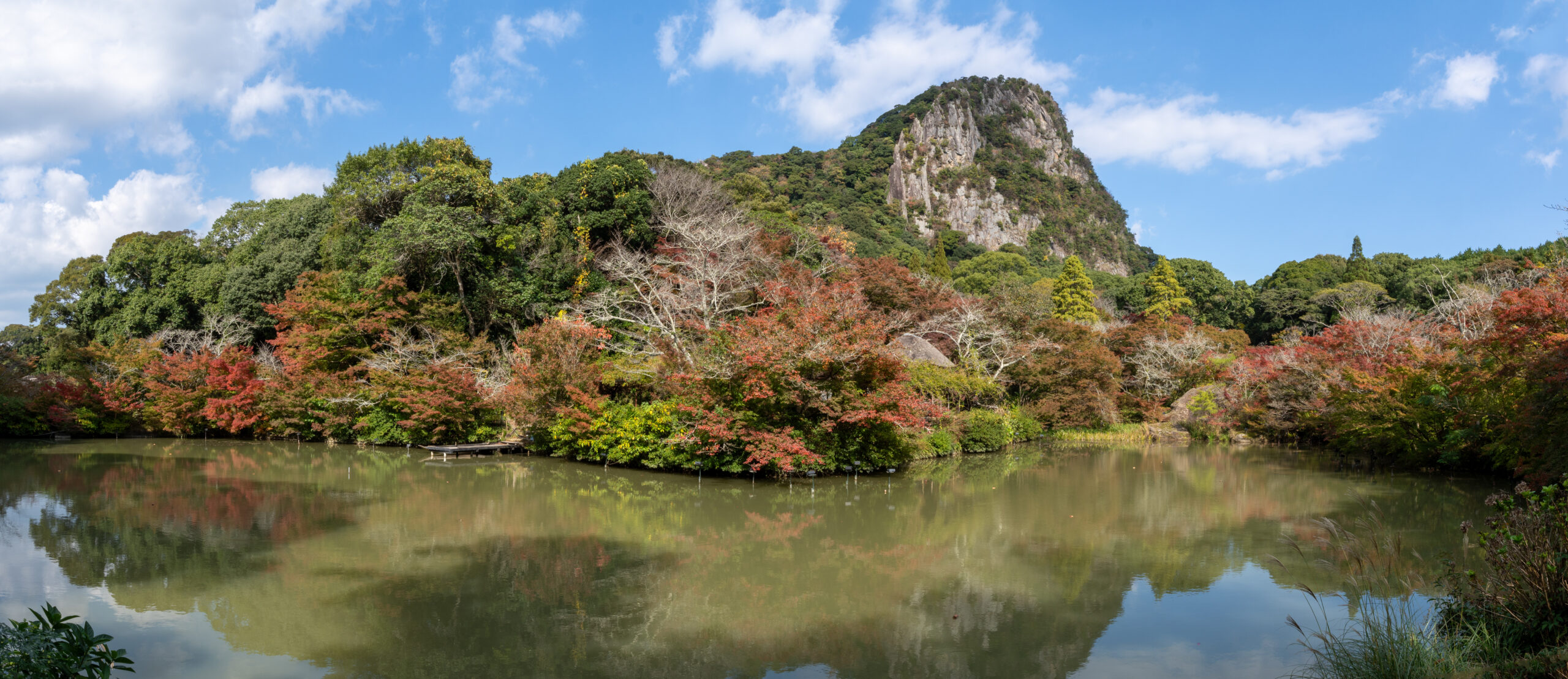
Next we headed out of Arita to Takeo, where we were going to visit Mifuneyama Rakuen, a garden known for it’s autumn colours. We were lucky to time it quite well with lots of red trees.
teamLabs Ruins and Heritage
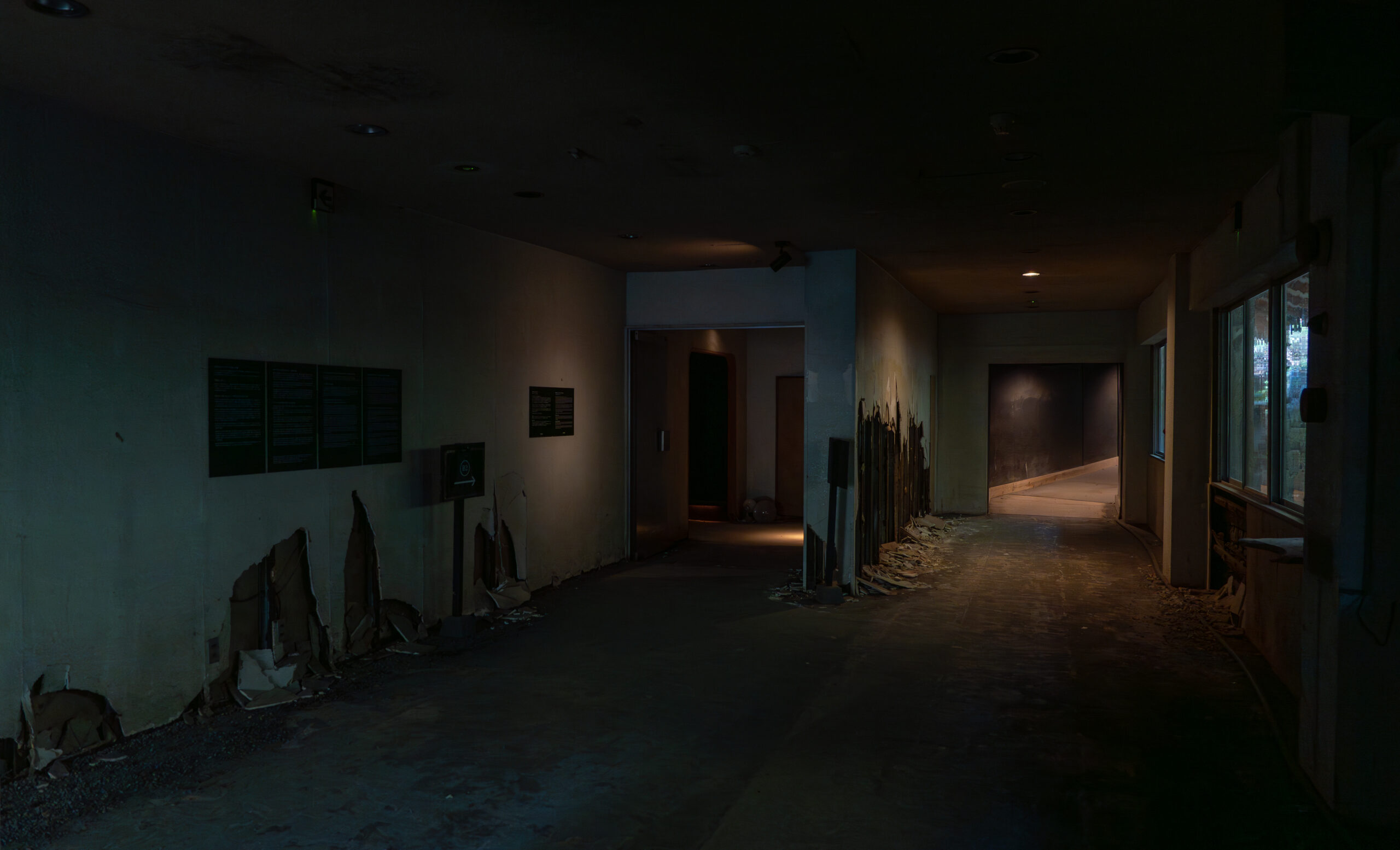
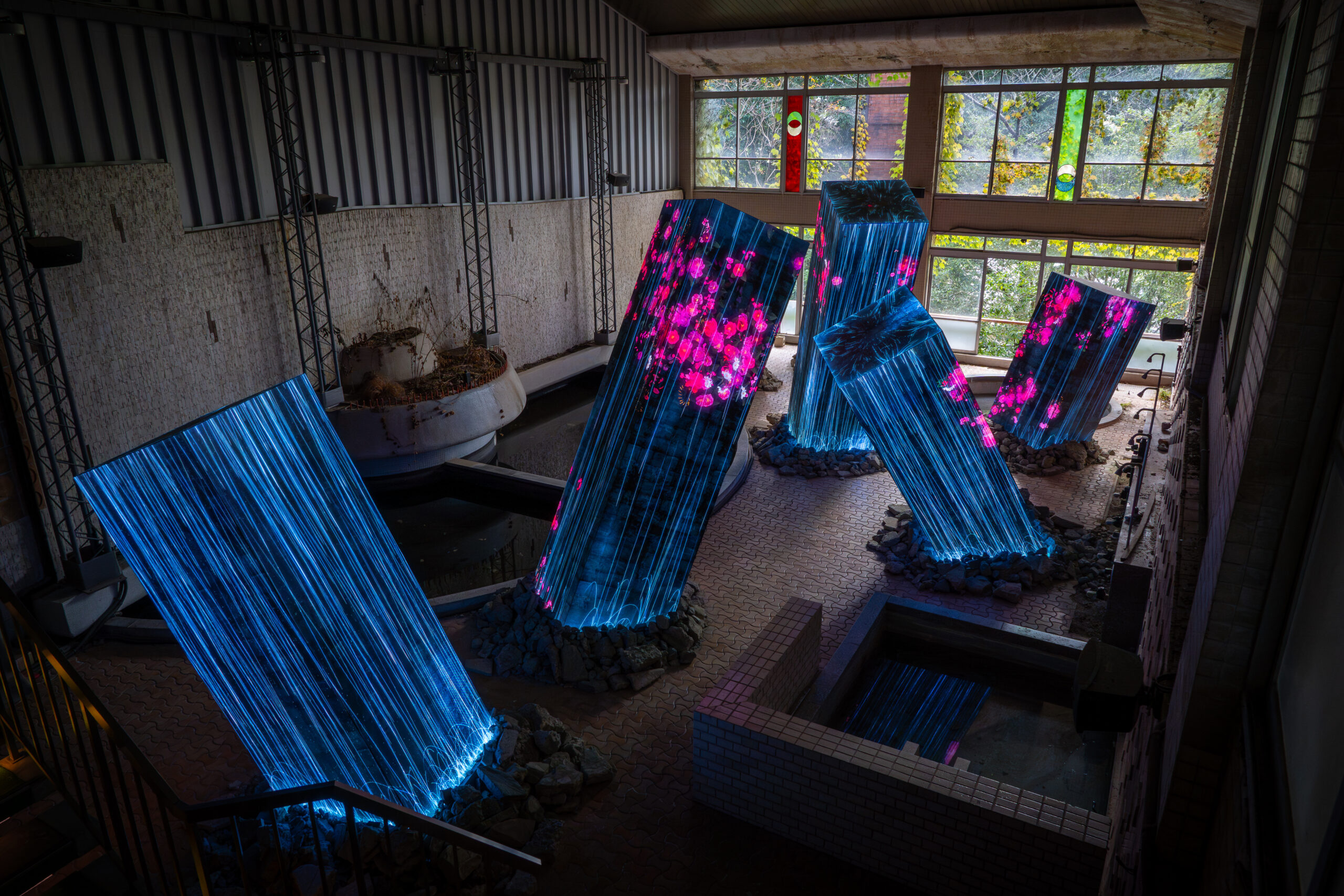
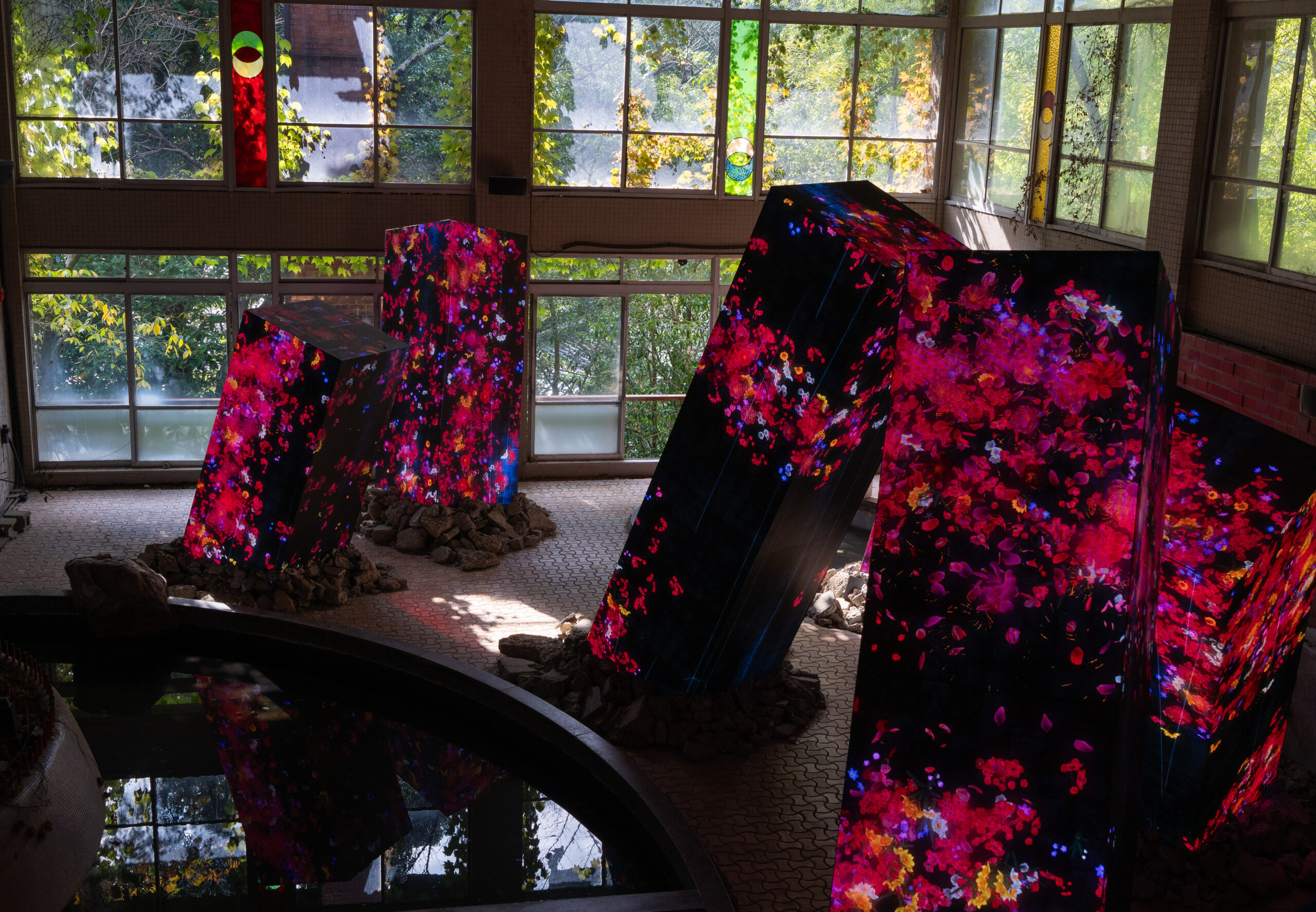
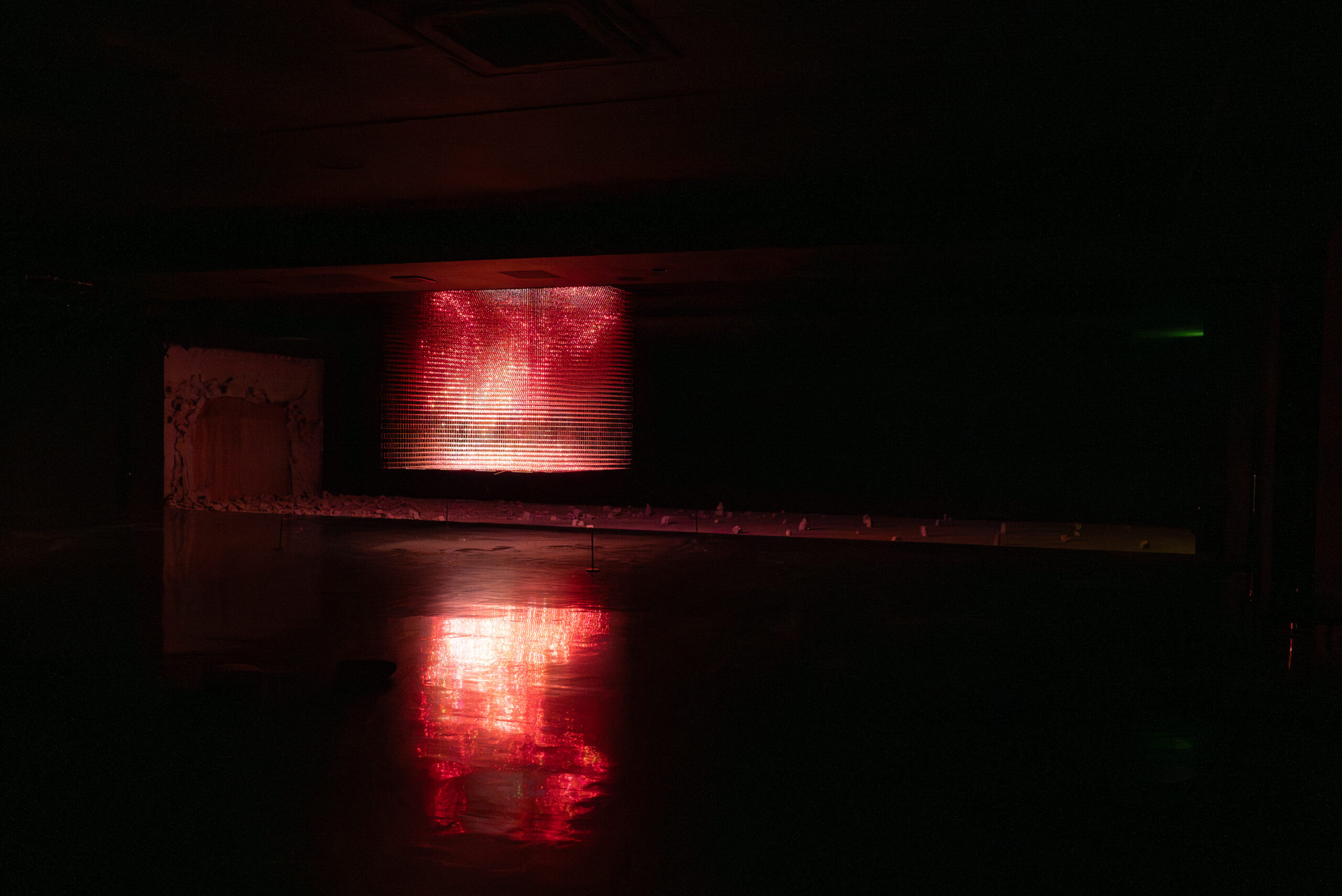
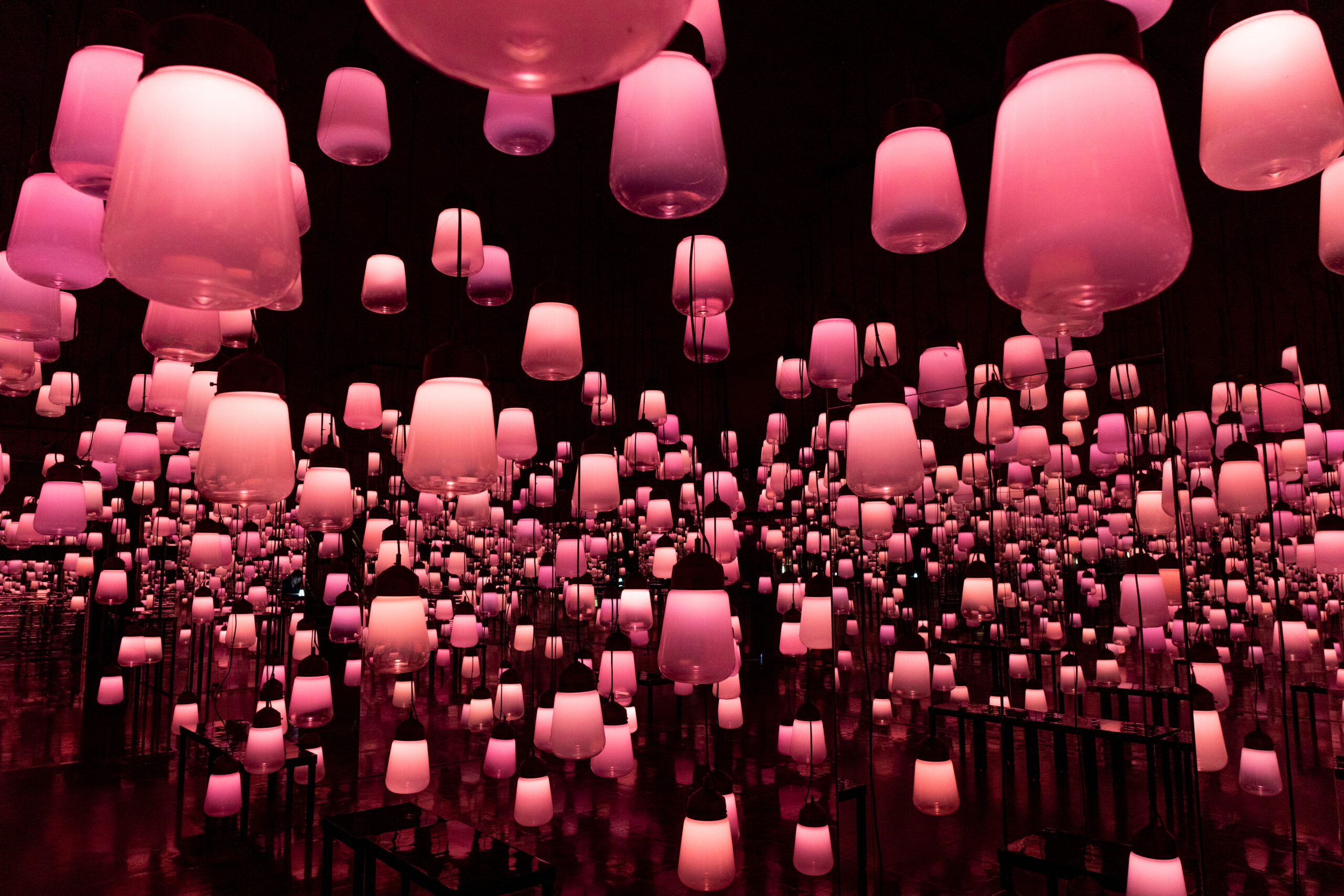
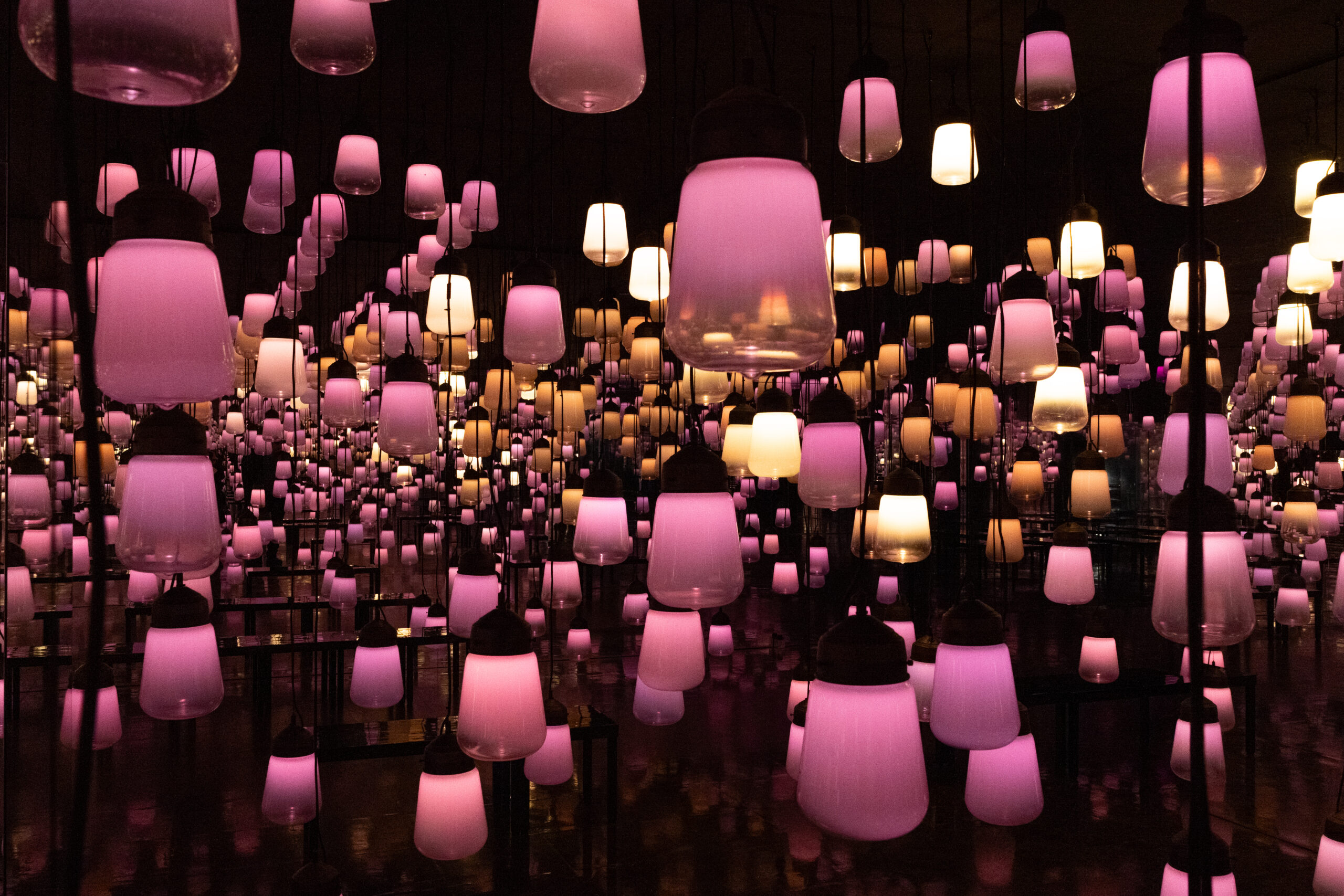
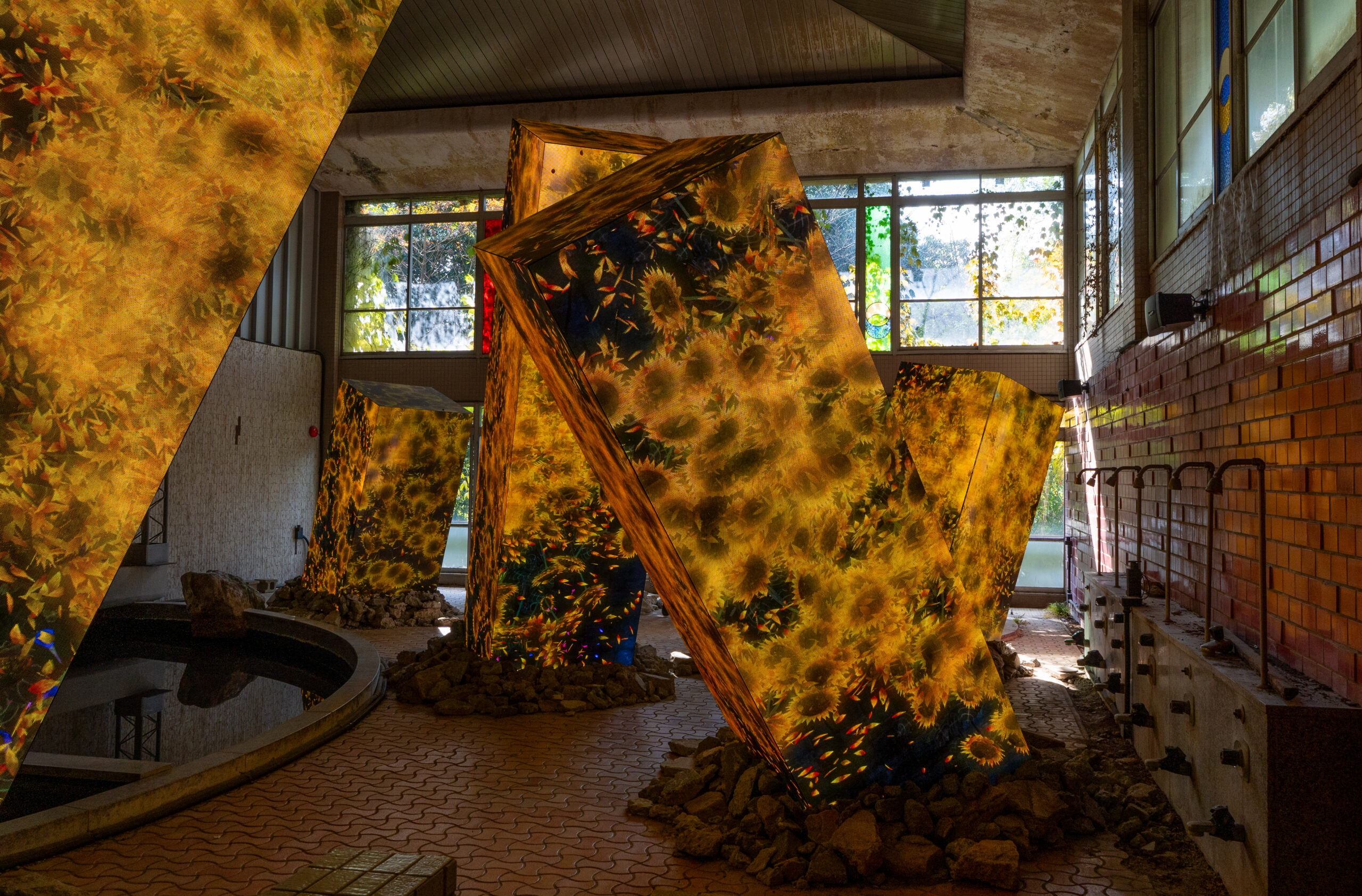
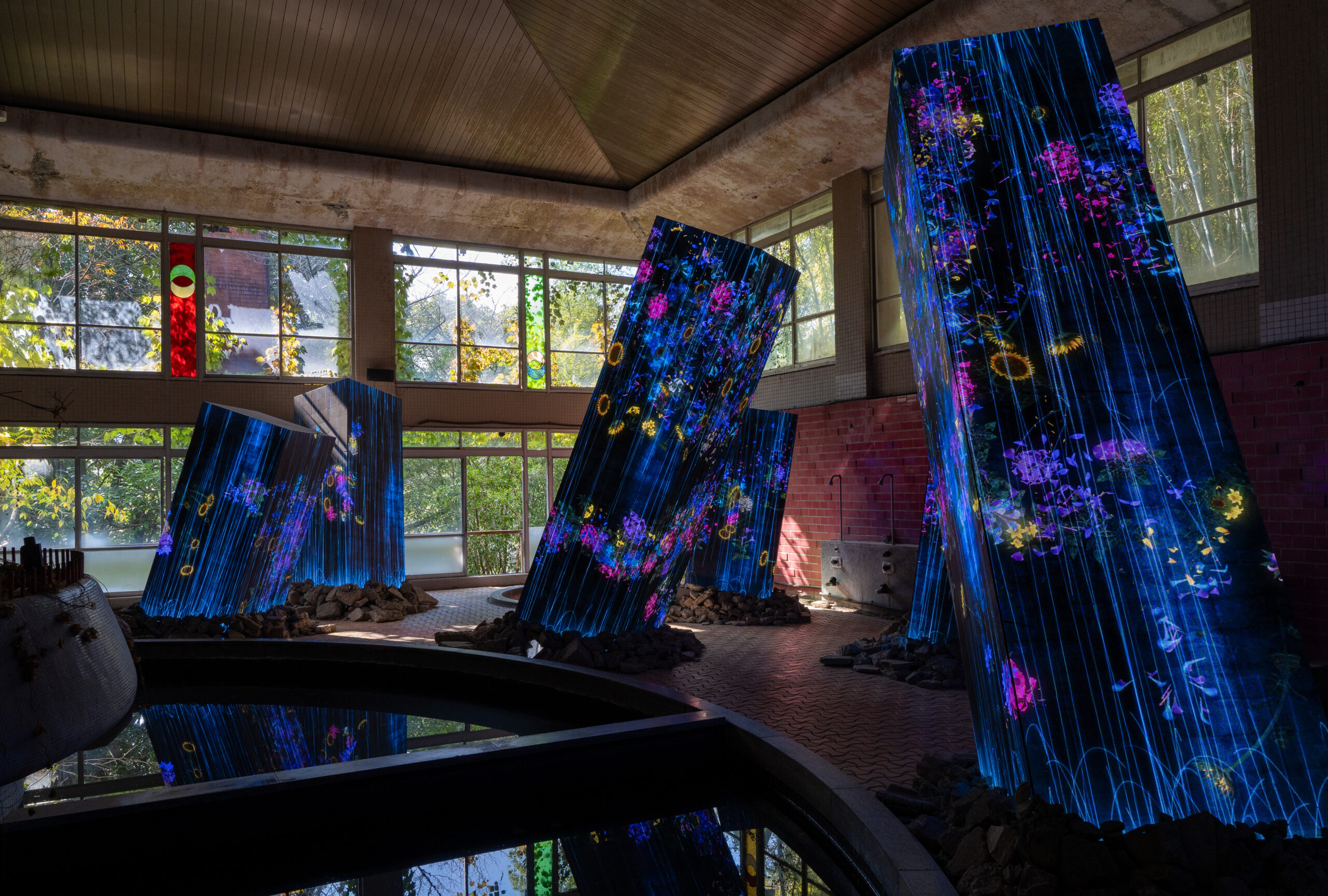
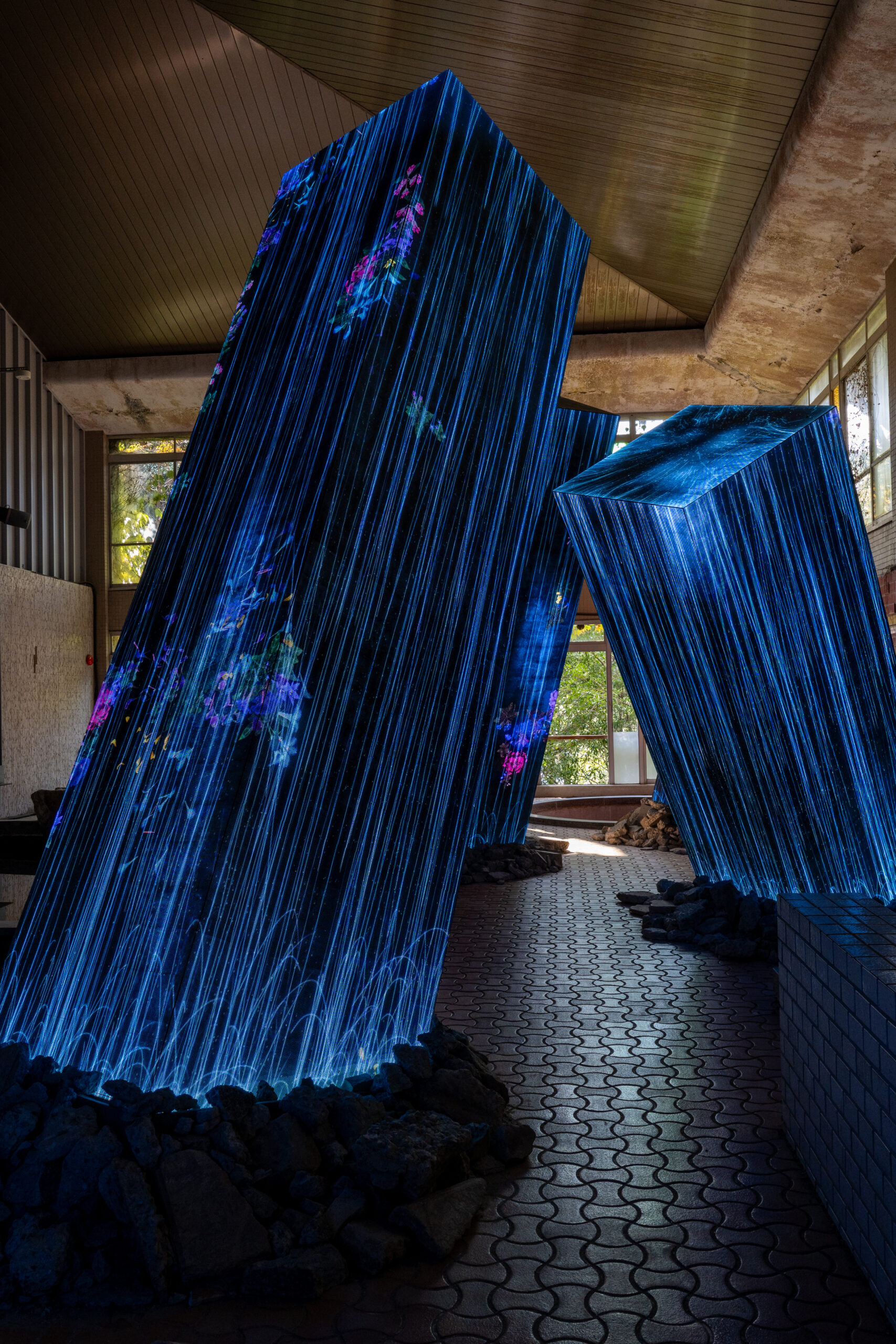
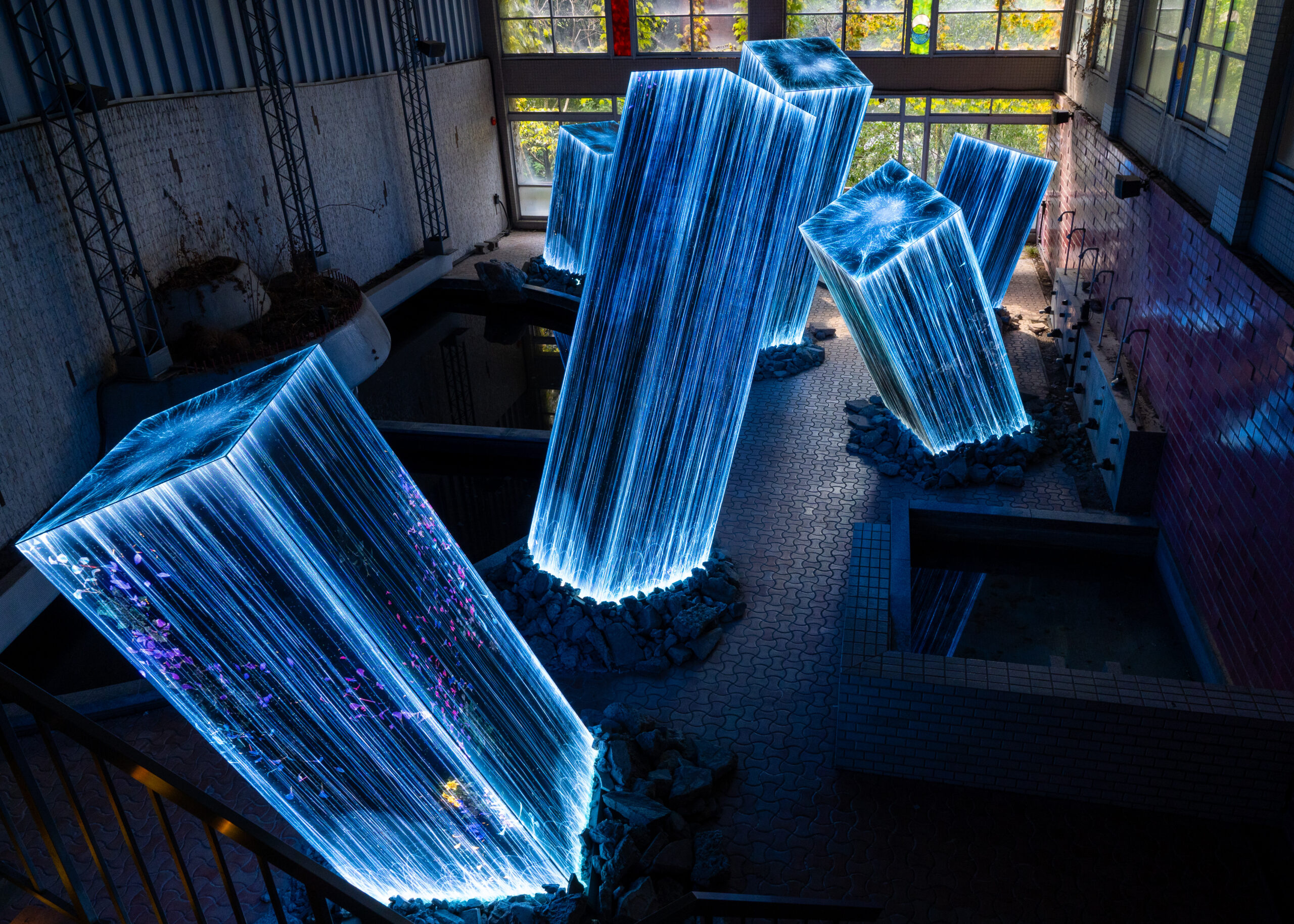
Next to the garden is a hotel that houses a teamLabs exhibit. The exhibit starts is in the dark, disused bathhouse of the hotel and we were the only people there. Quite the difference to the hugley popular Tokyo teamLabs!
After the bathhouse, a long corridor eventually connects you with the actual working part of the hotel and in there are a couple of other rooms to explore
We then retraced our steps and had a second look at the monoliths in the bath house, which were constantly changing.
Giant Camphor Tree of Kawago Park
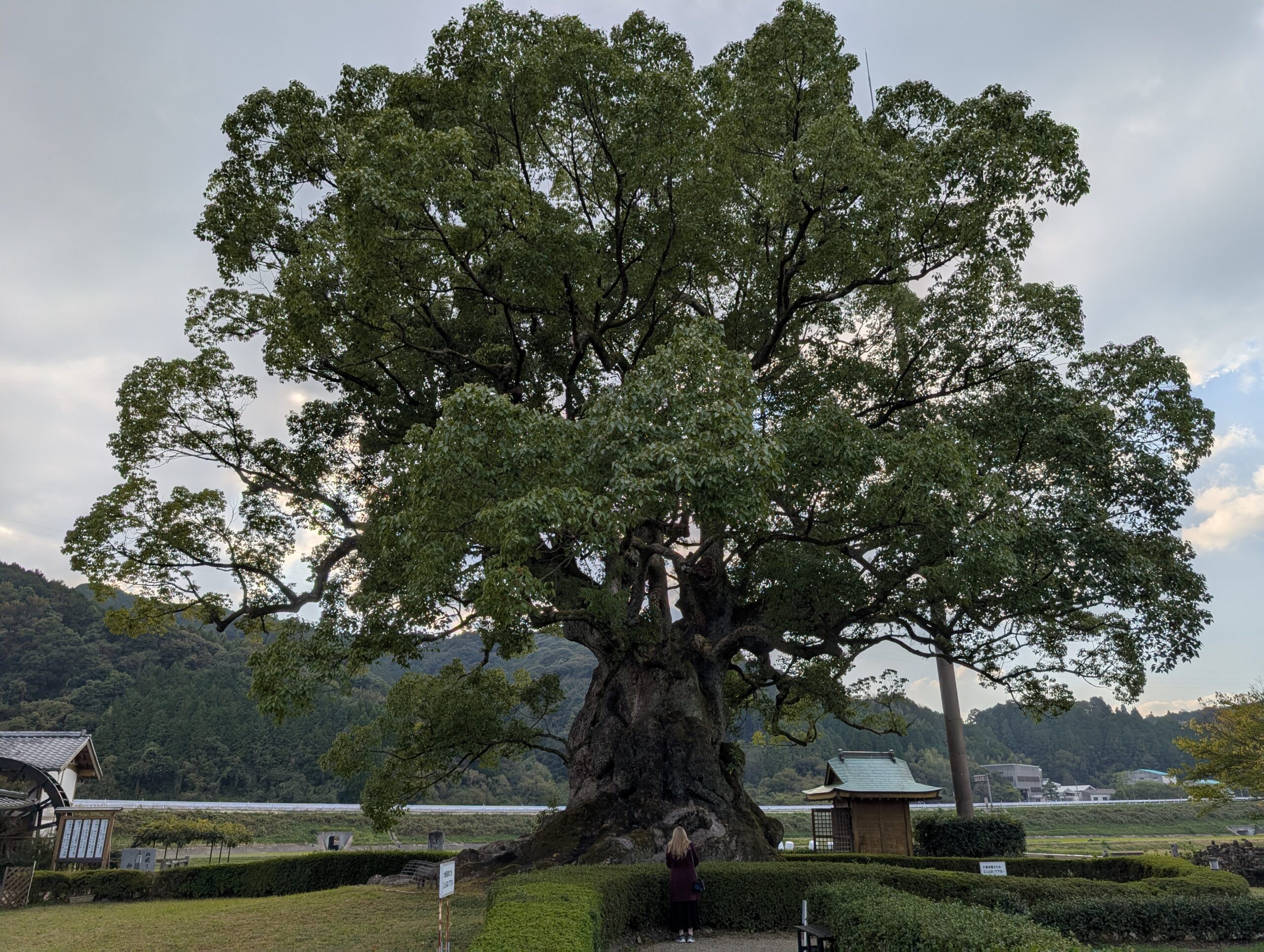
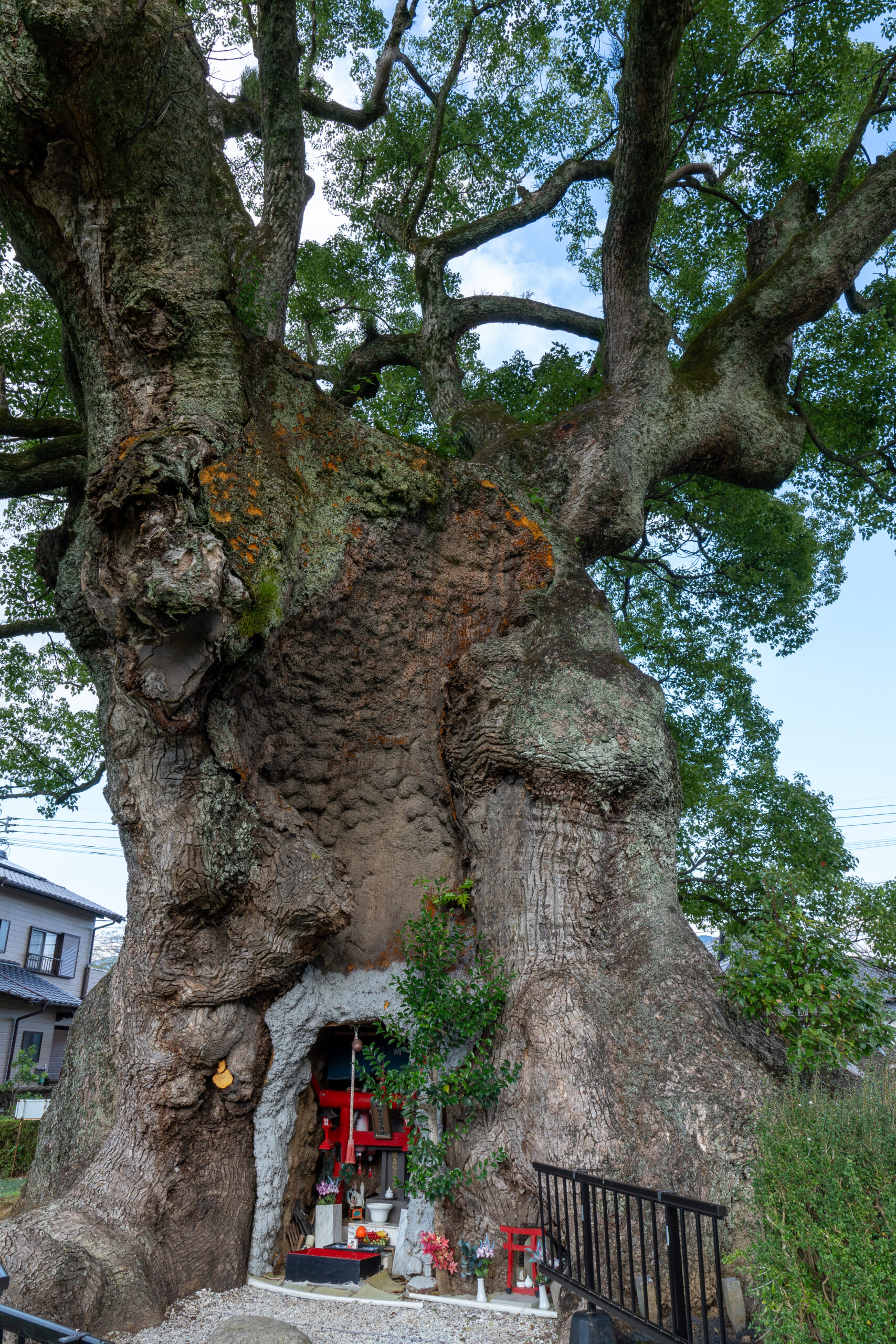
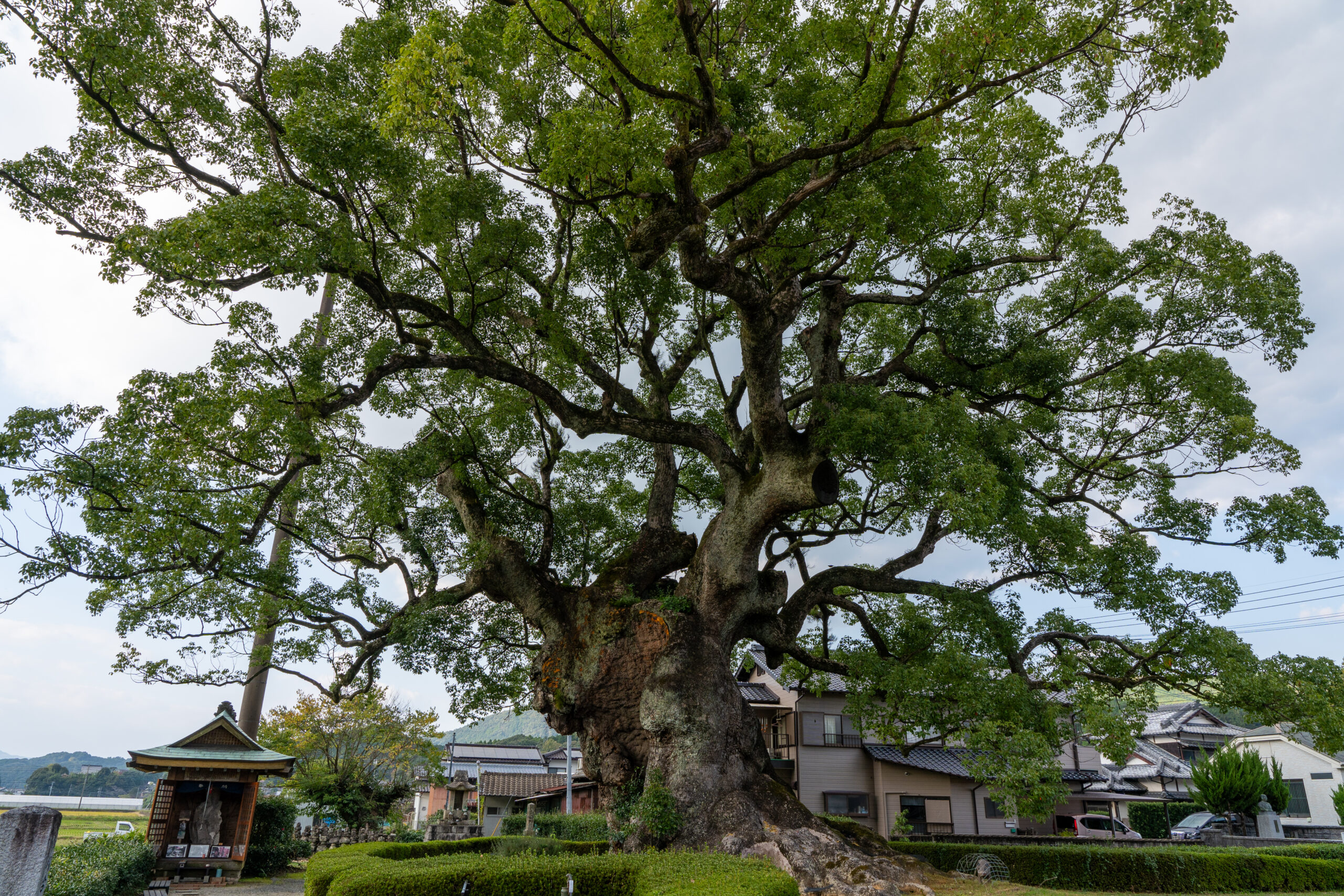
After a break for lunch at Coco curry in Takeo we drove to the next village we were going to be exploring. On the way we stopped at the Giant Camphor Tree of Kawago Park – it was massive!
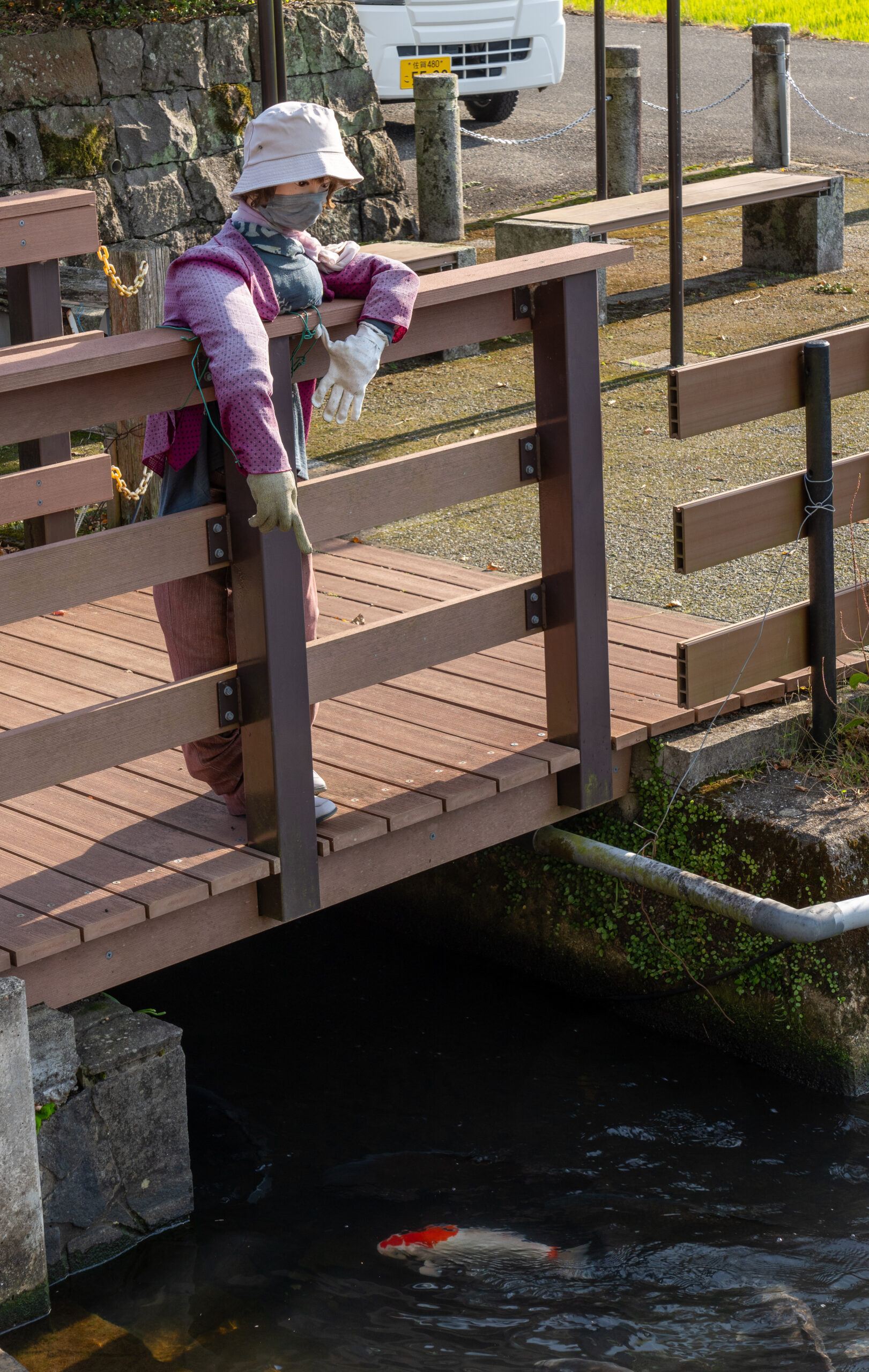
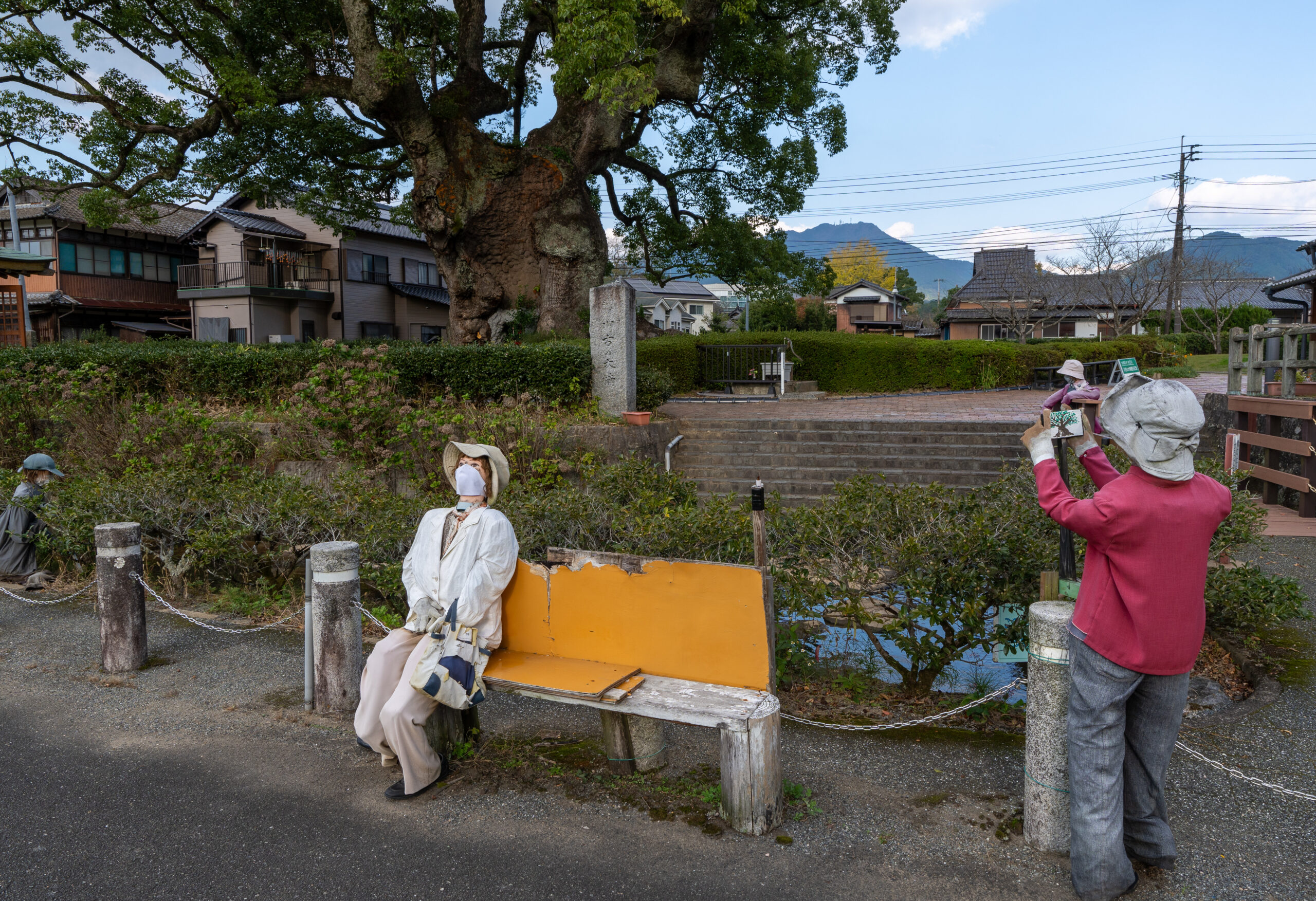
Next to the tree was a small selection of scarecrows, set up to look like they are enjoying the area
Okawachiyama Village
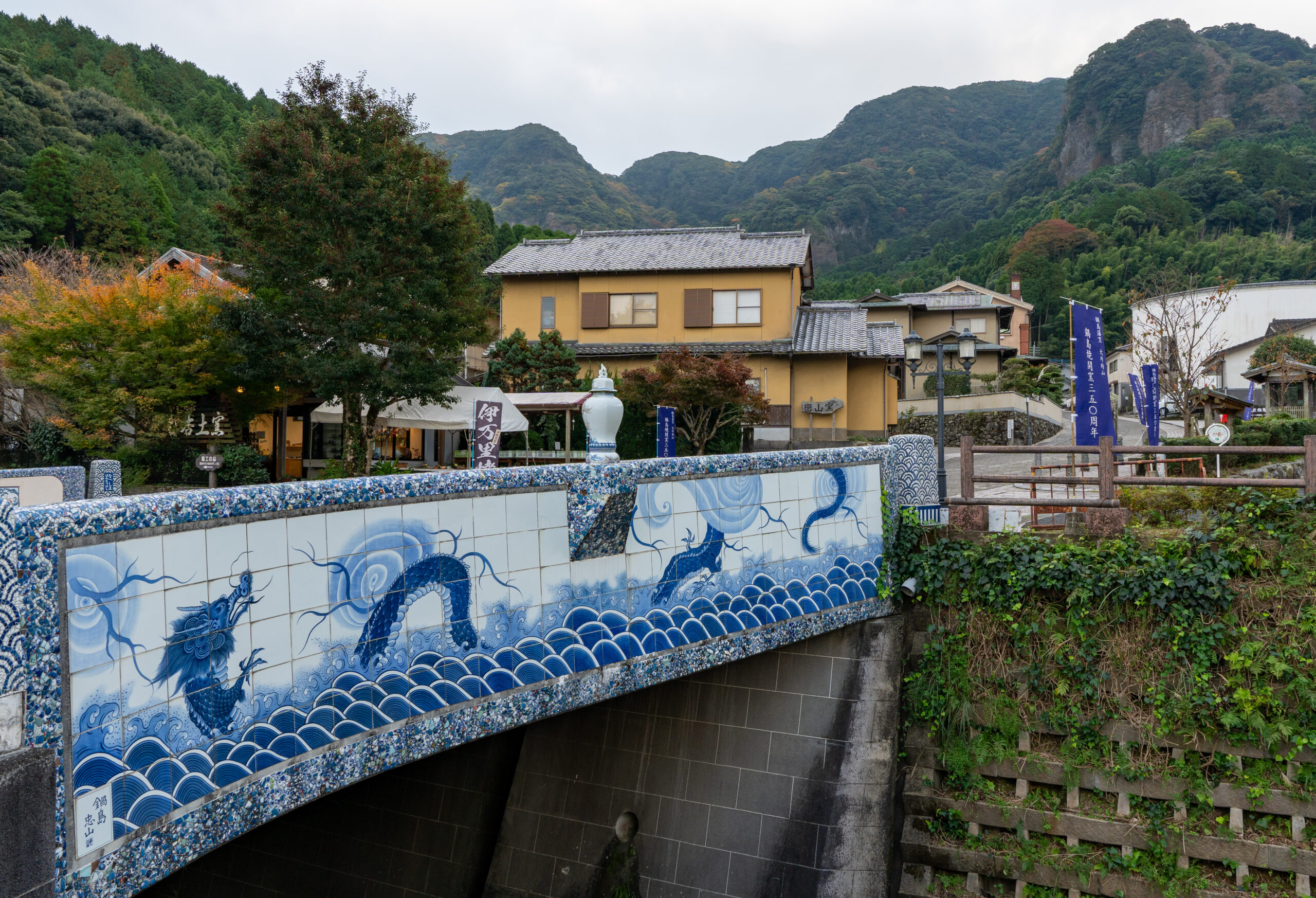
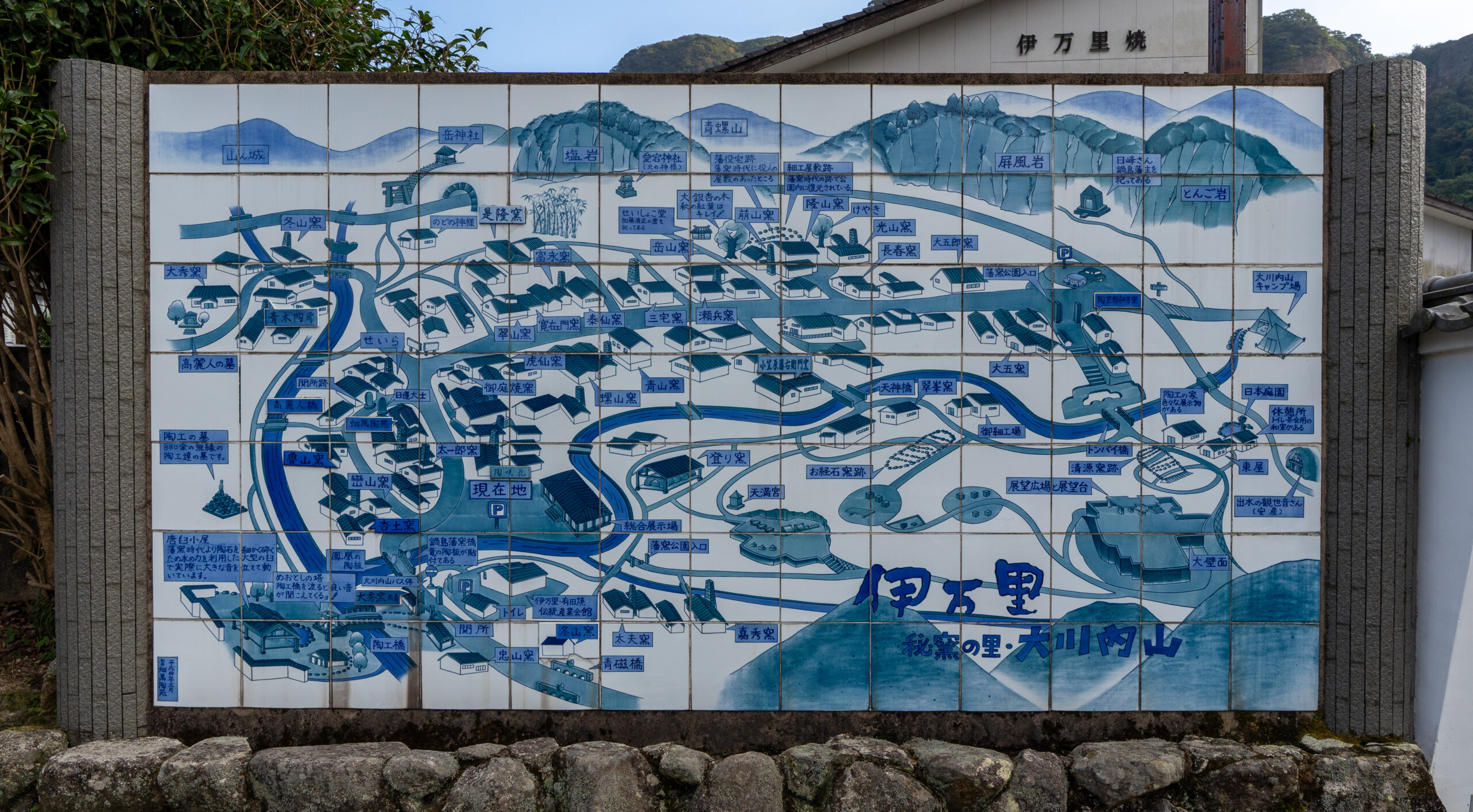
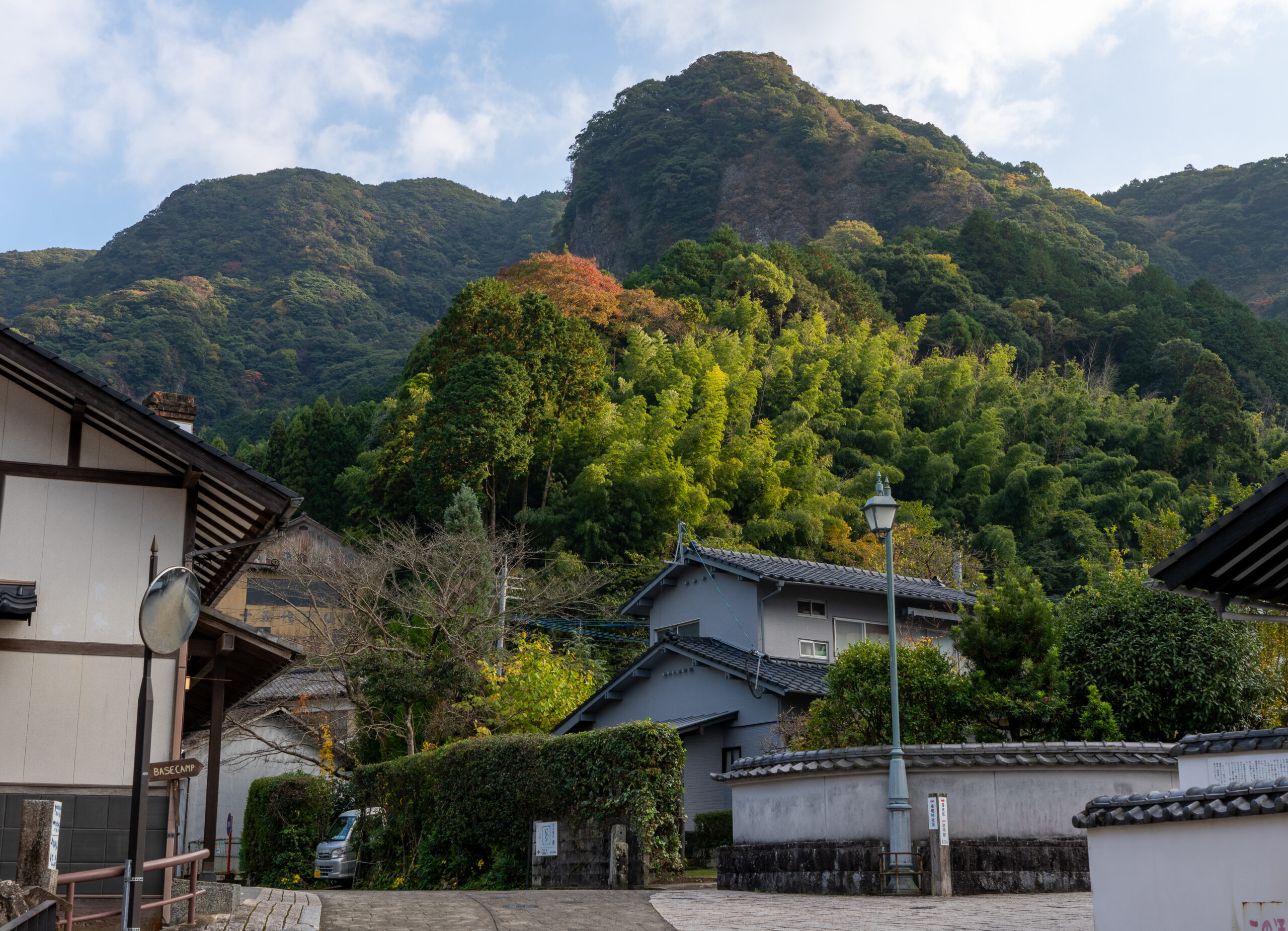
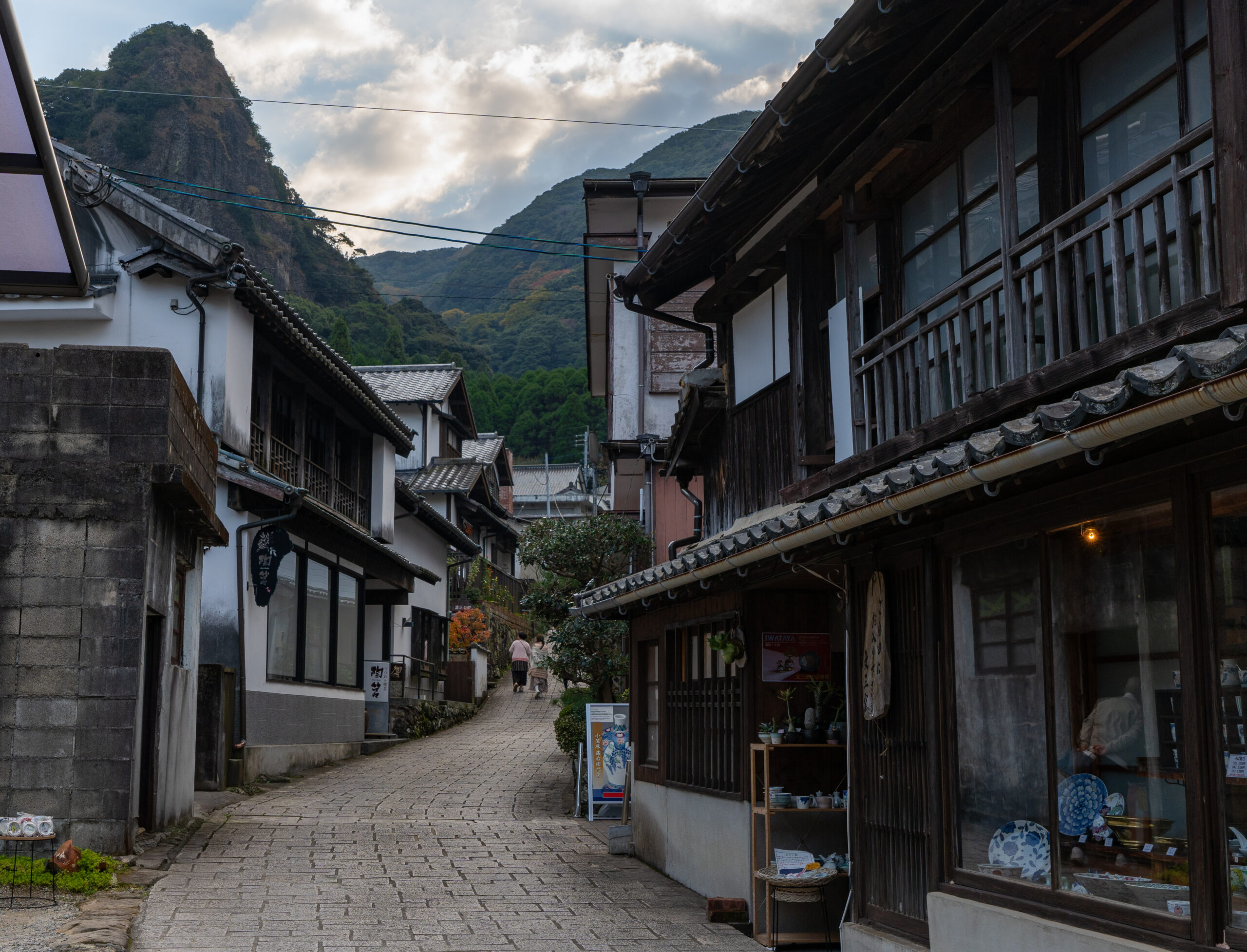
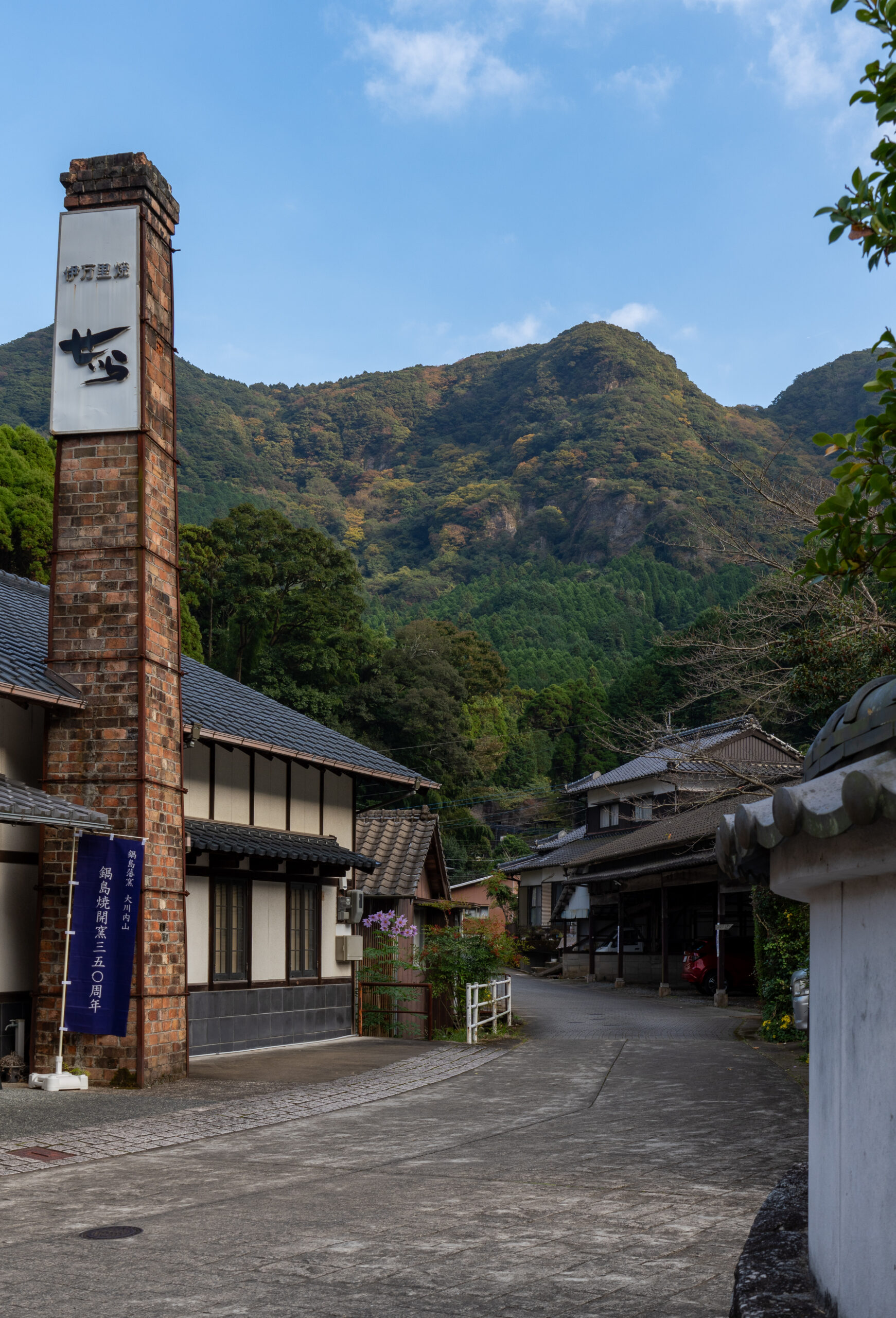
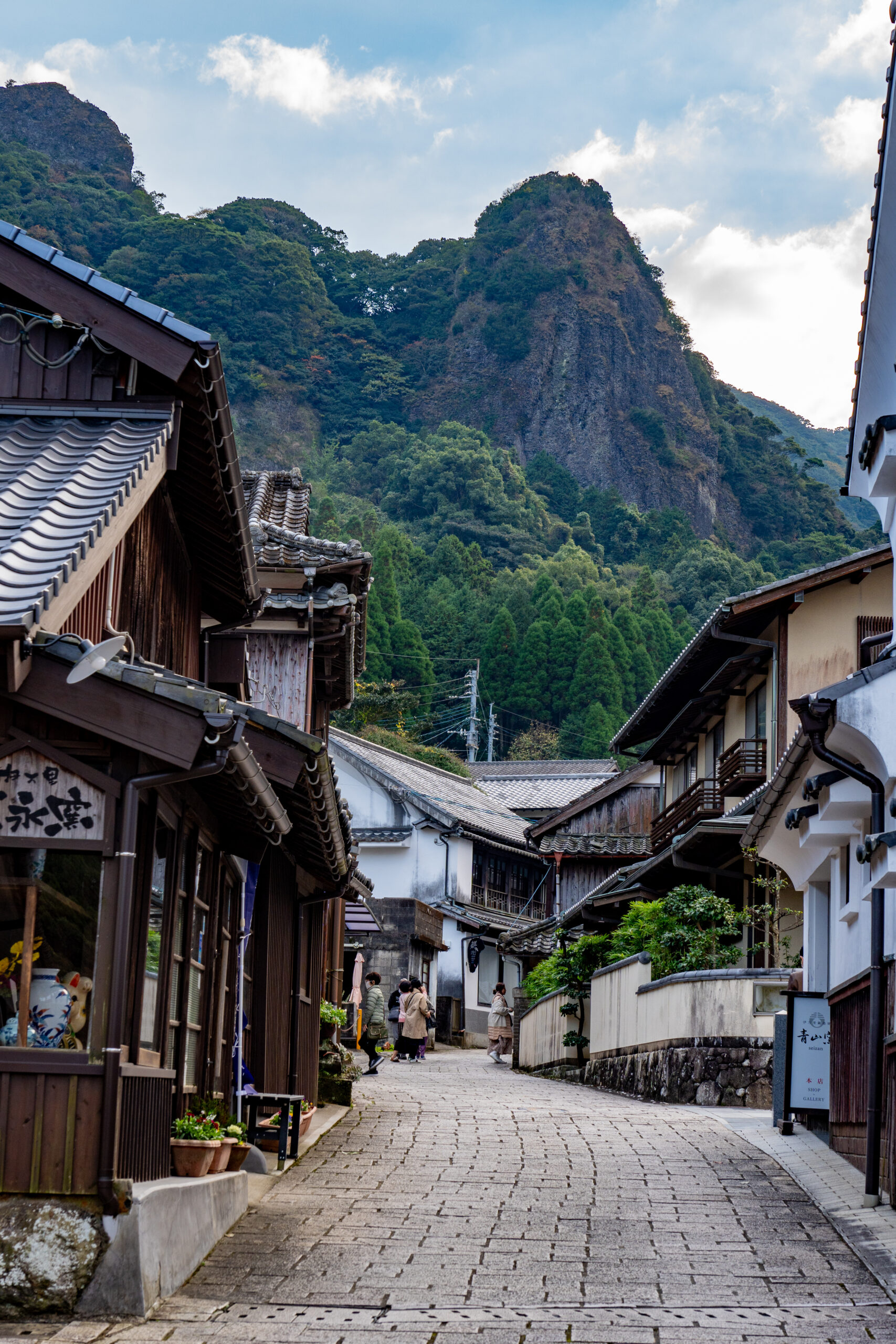
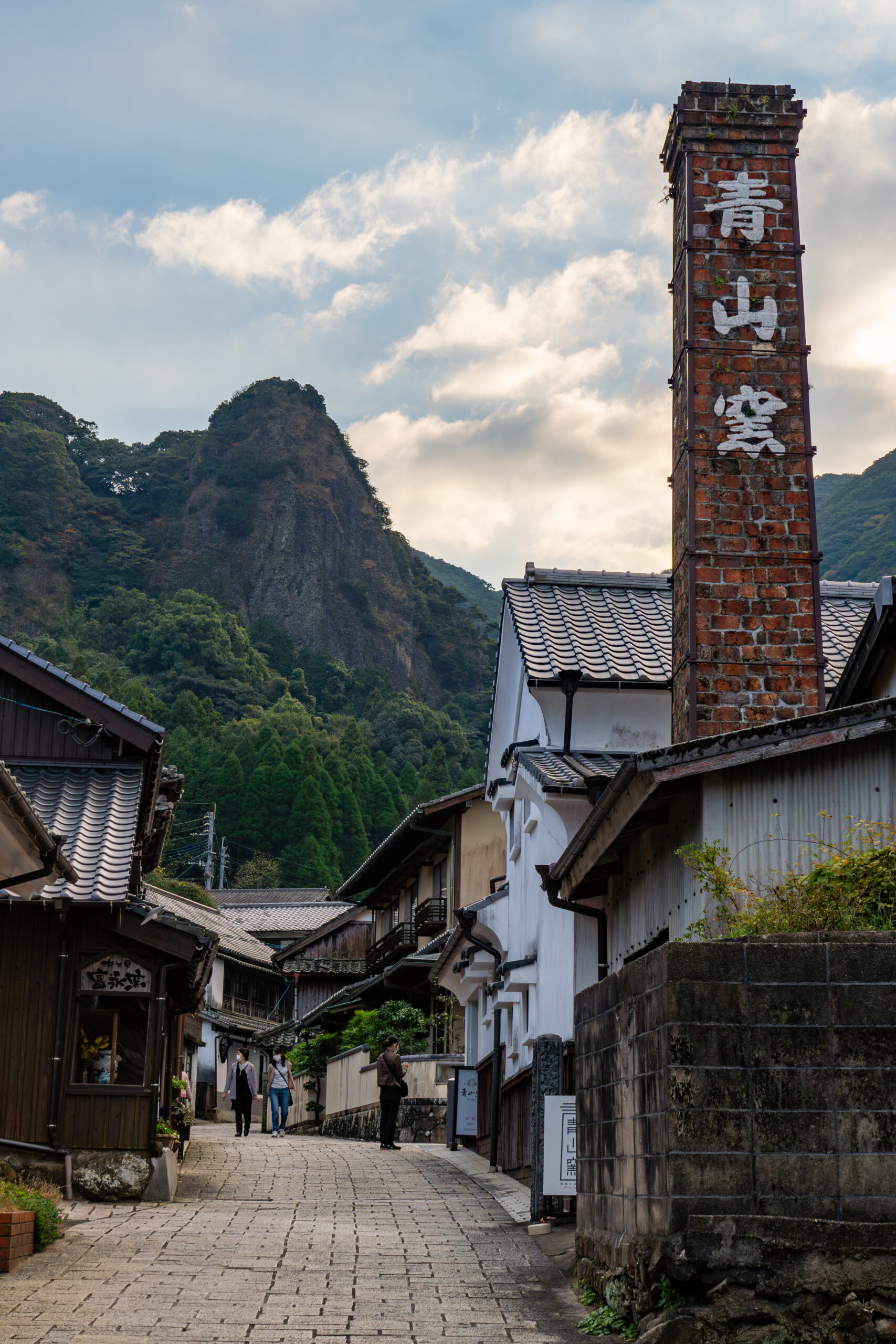
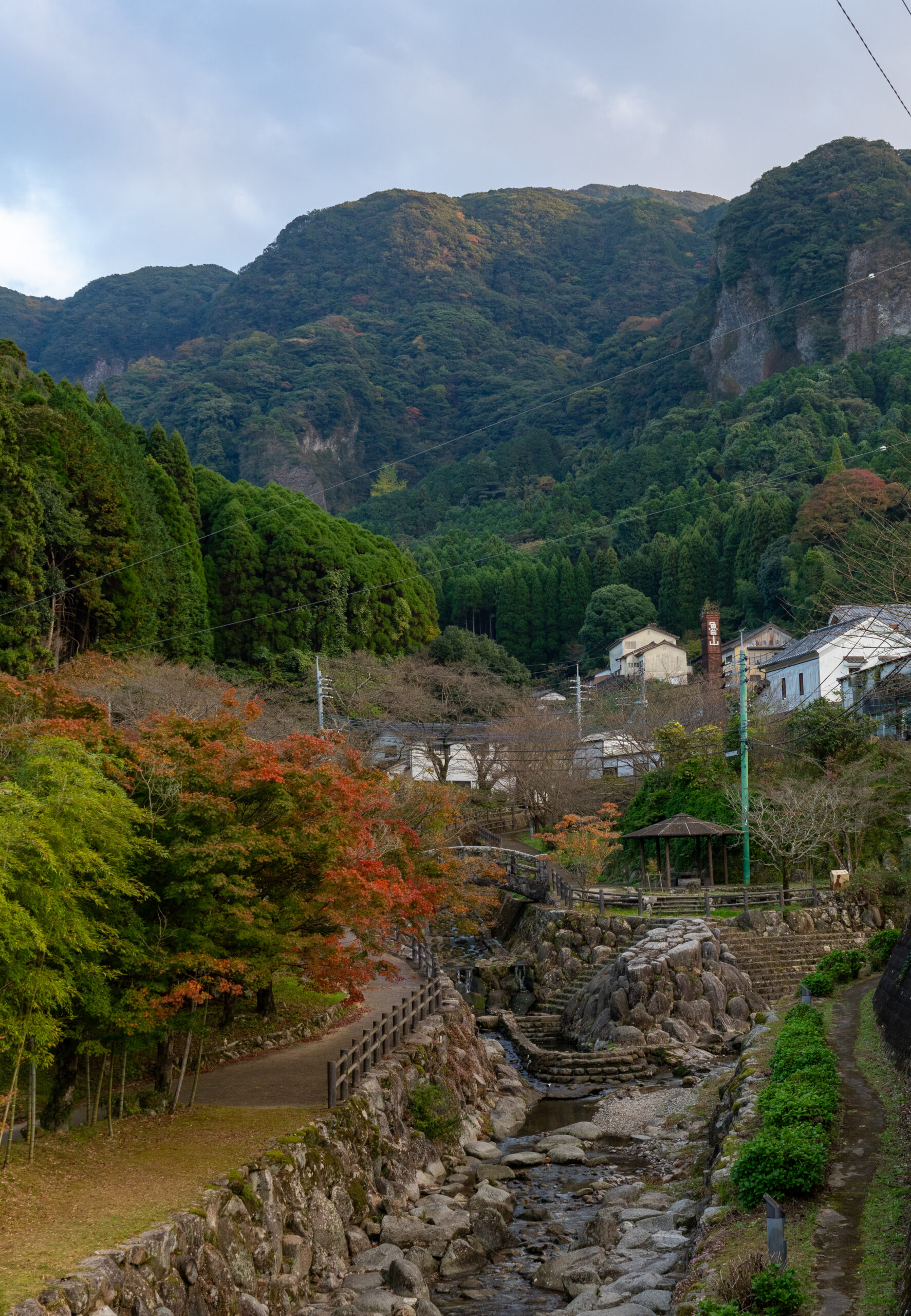
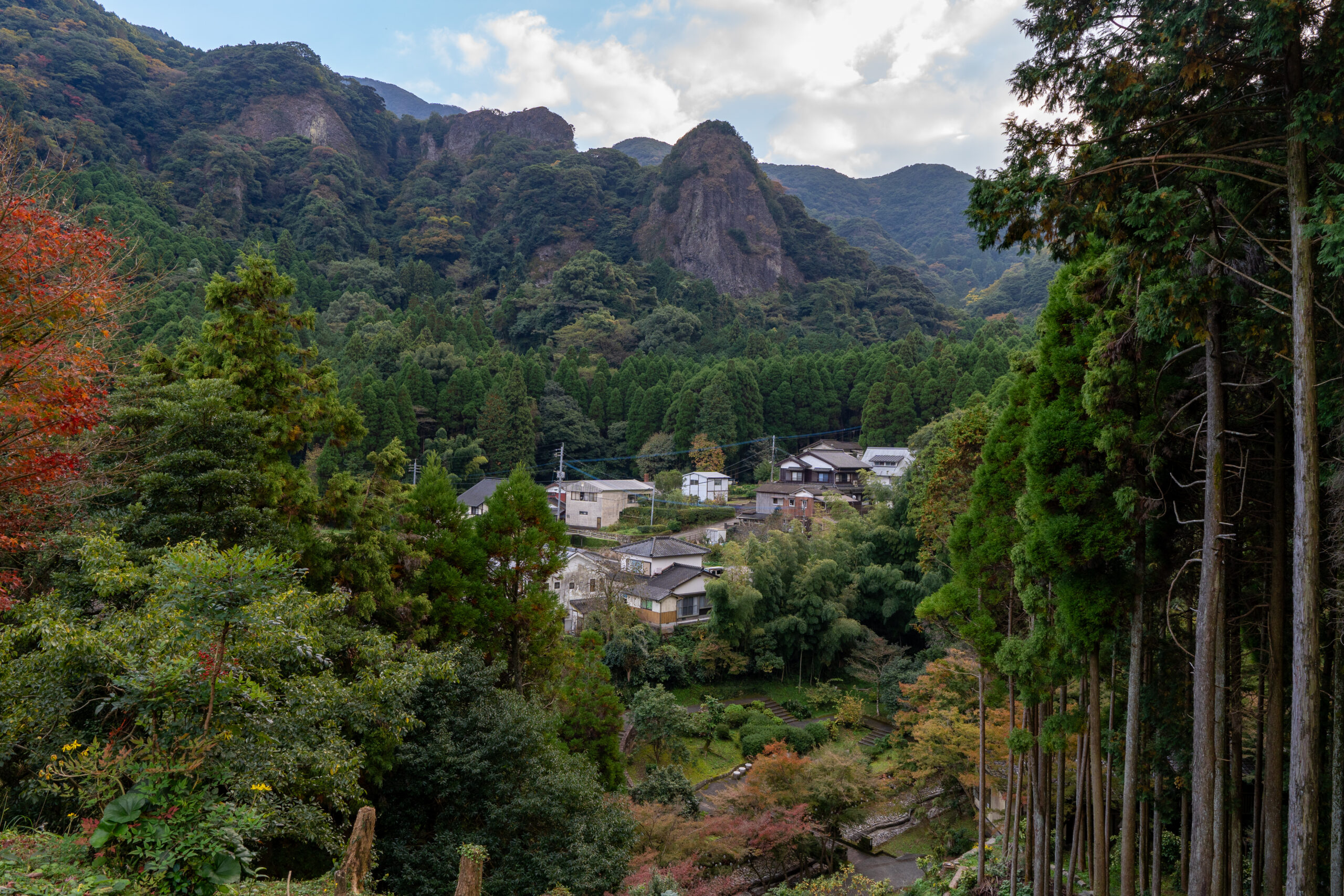
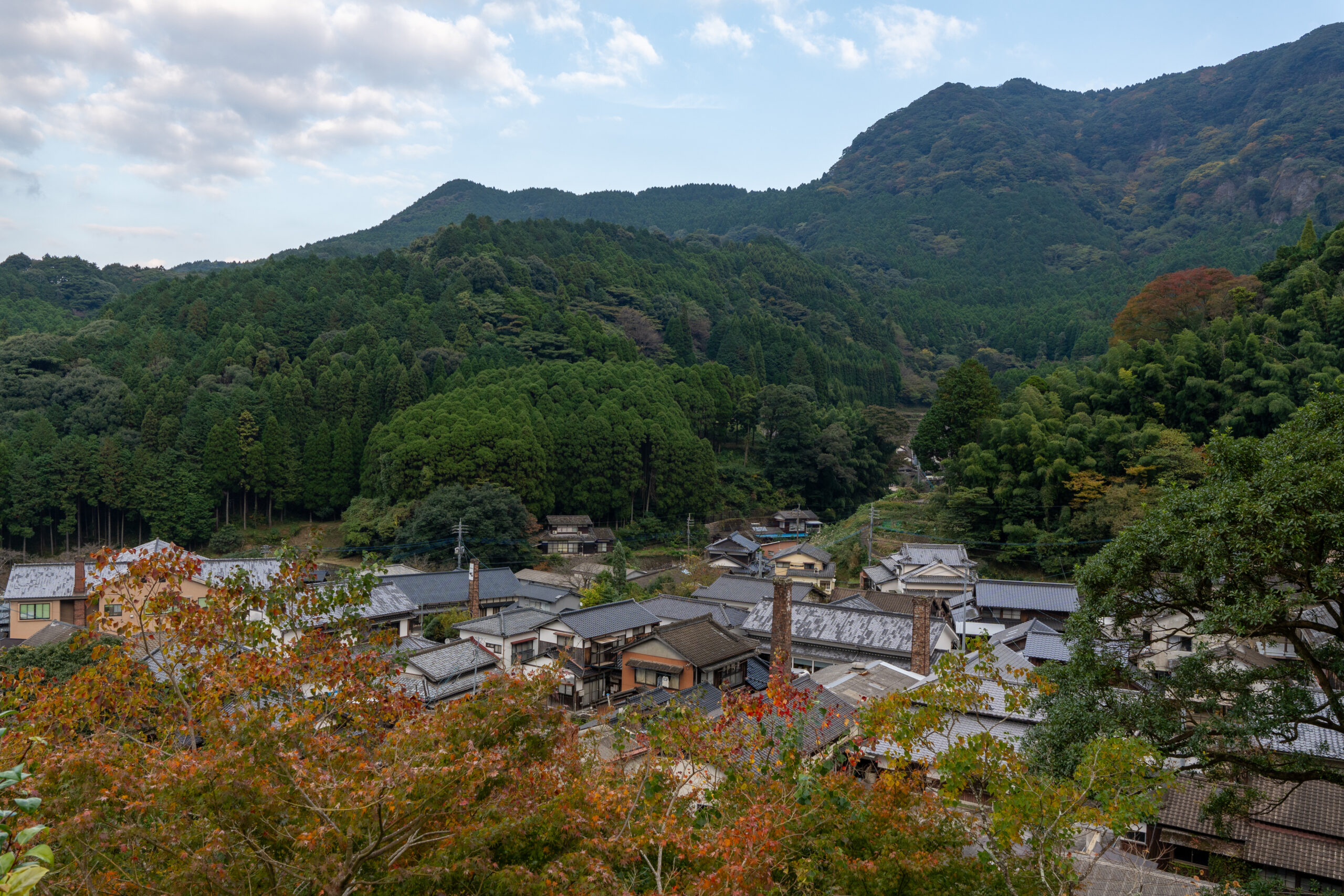
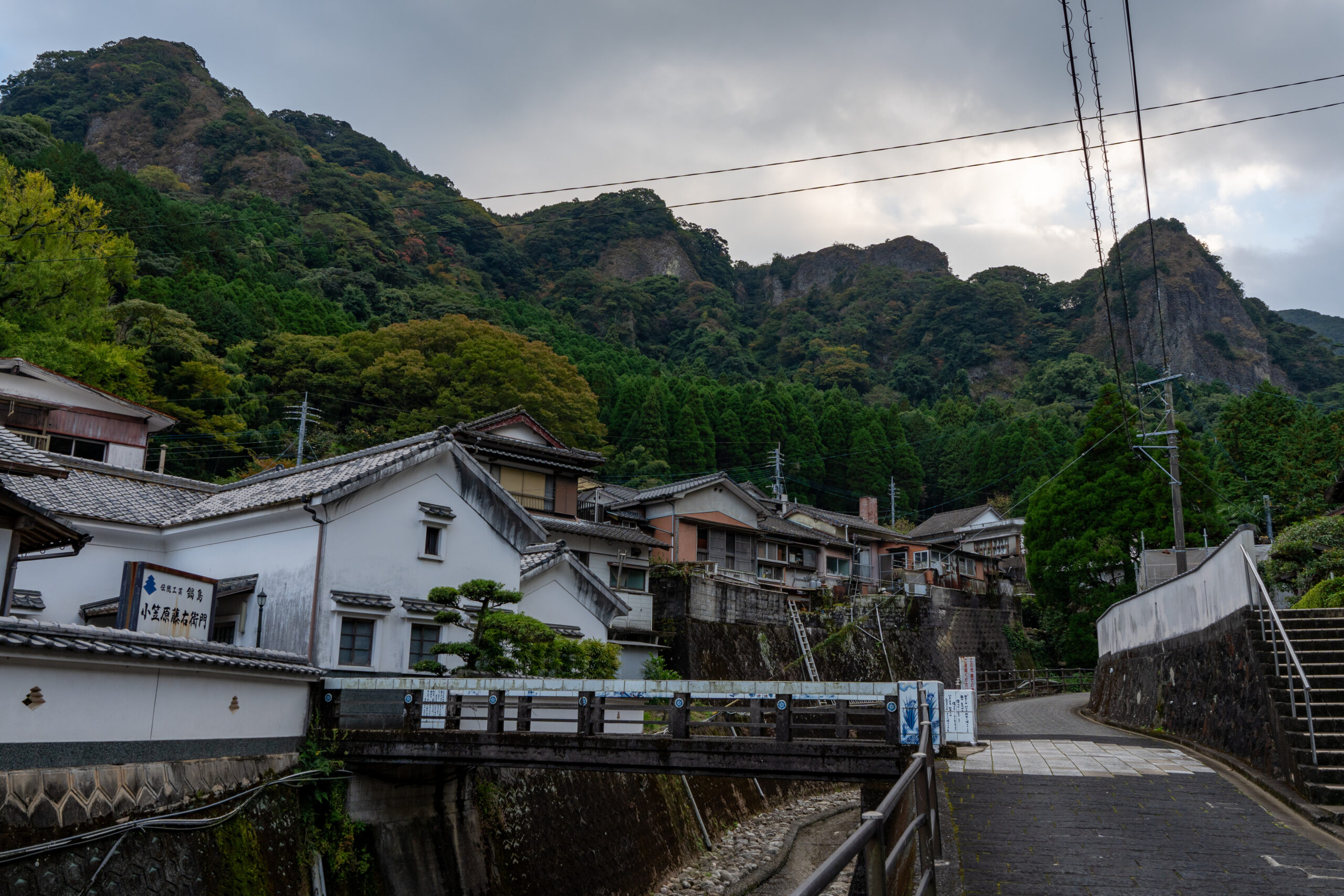
Our final spot for the day was the very scenic village of Okawachiyama. Hidden in a valley, surrounded by mountains, this village was known as the ‘Village of the Secret Kilns’, as it was used to produce valuable porcelain for the ruling Nabeshima Clan.
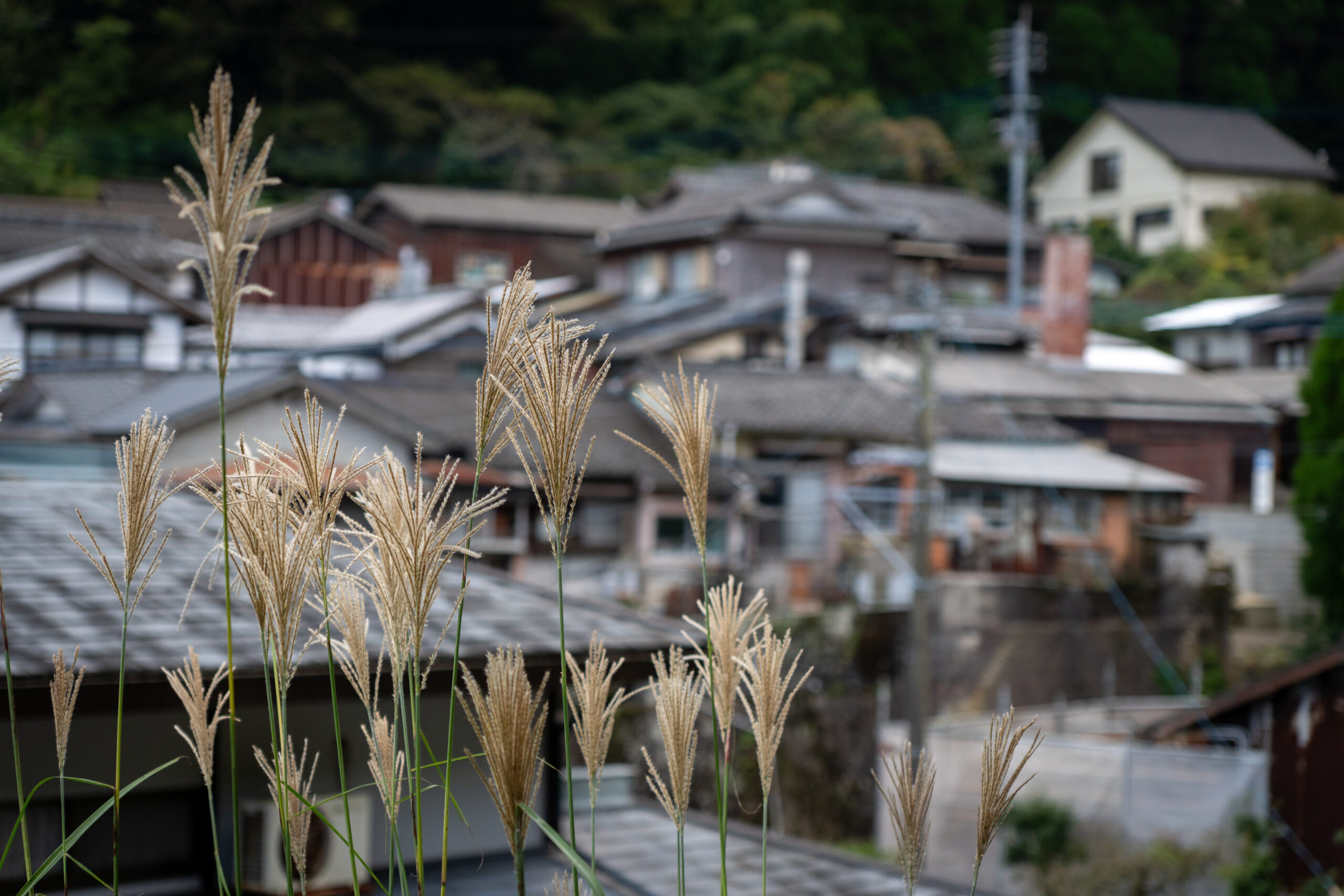
It still has lots of potteries dotted around the narrow streets. We went for a walk through the centre and then around the park on the surrounding hillside.
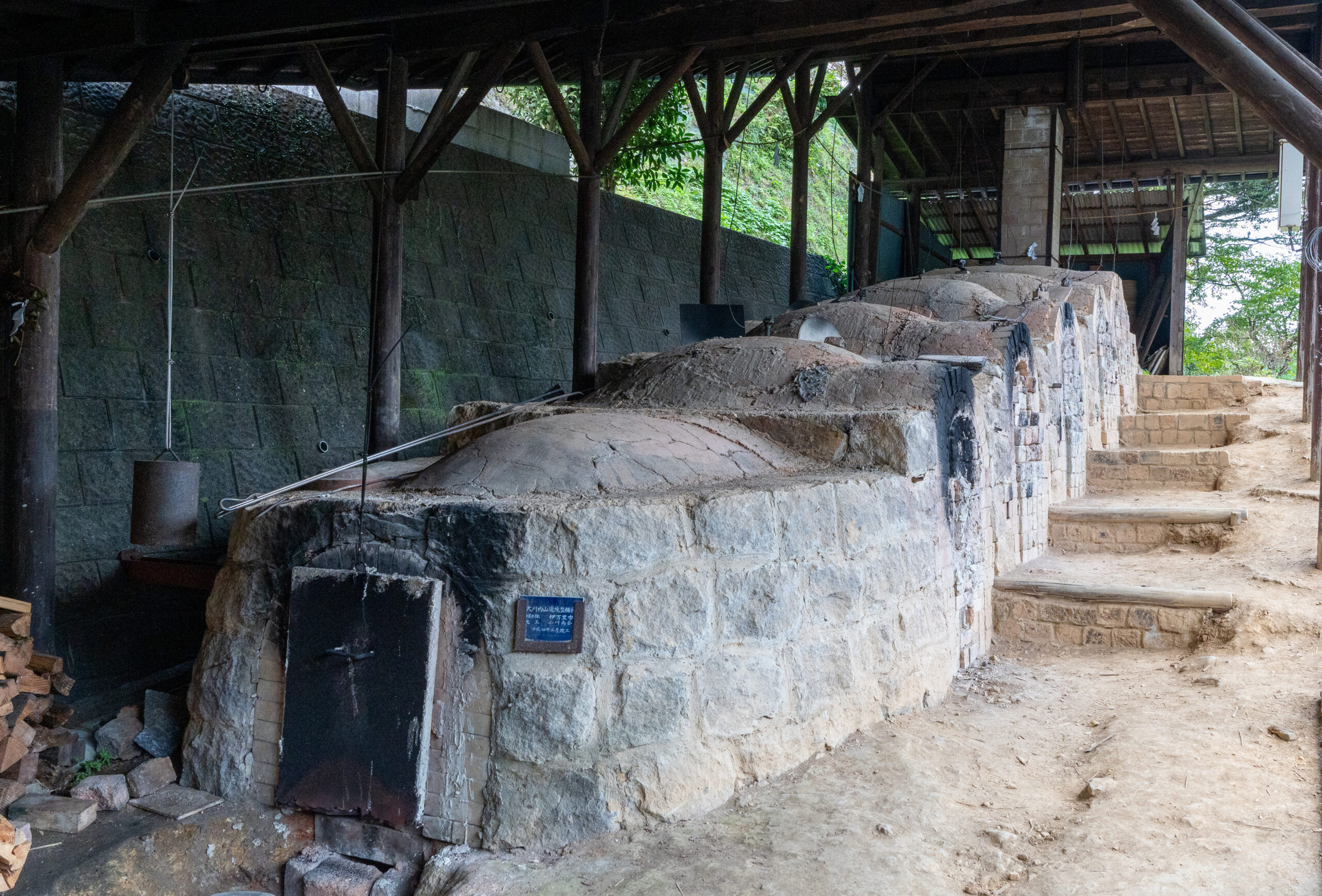
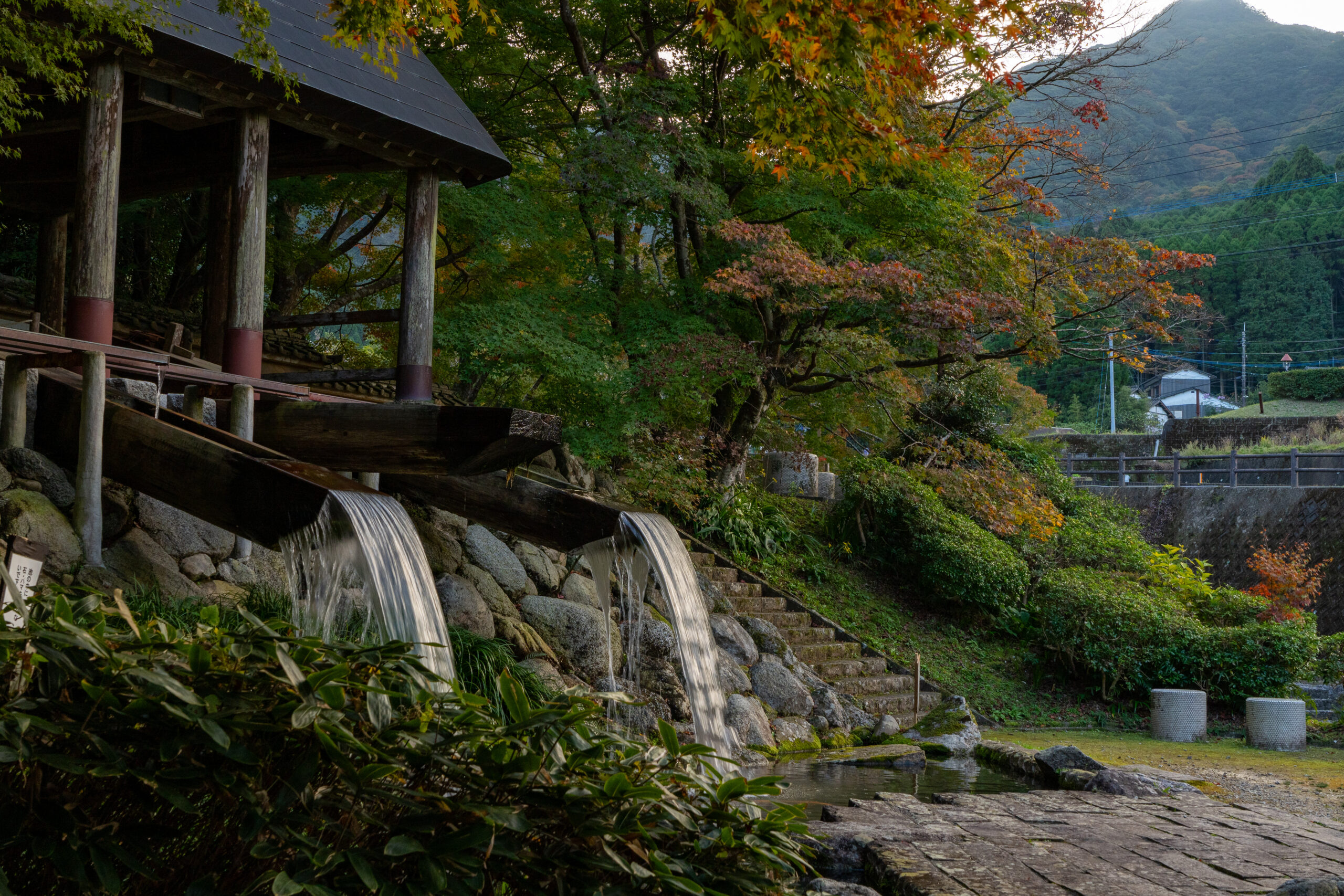
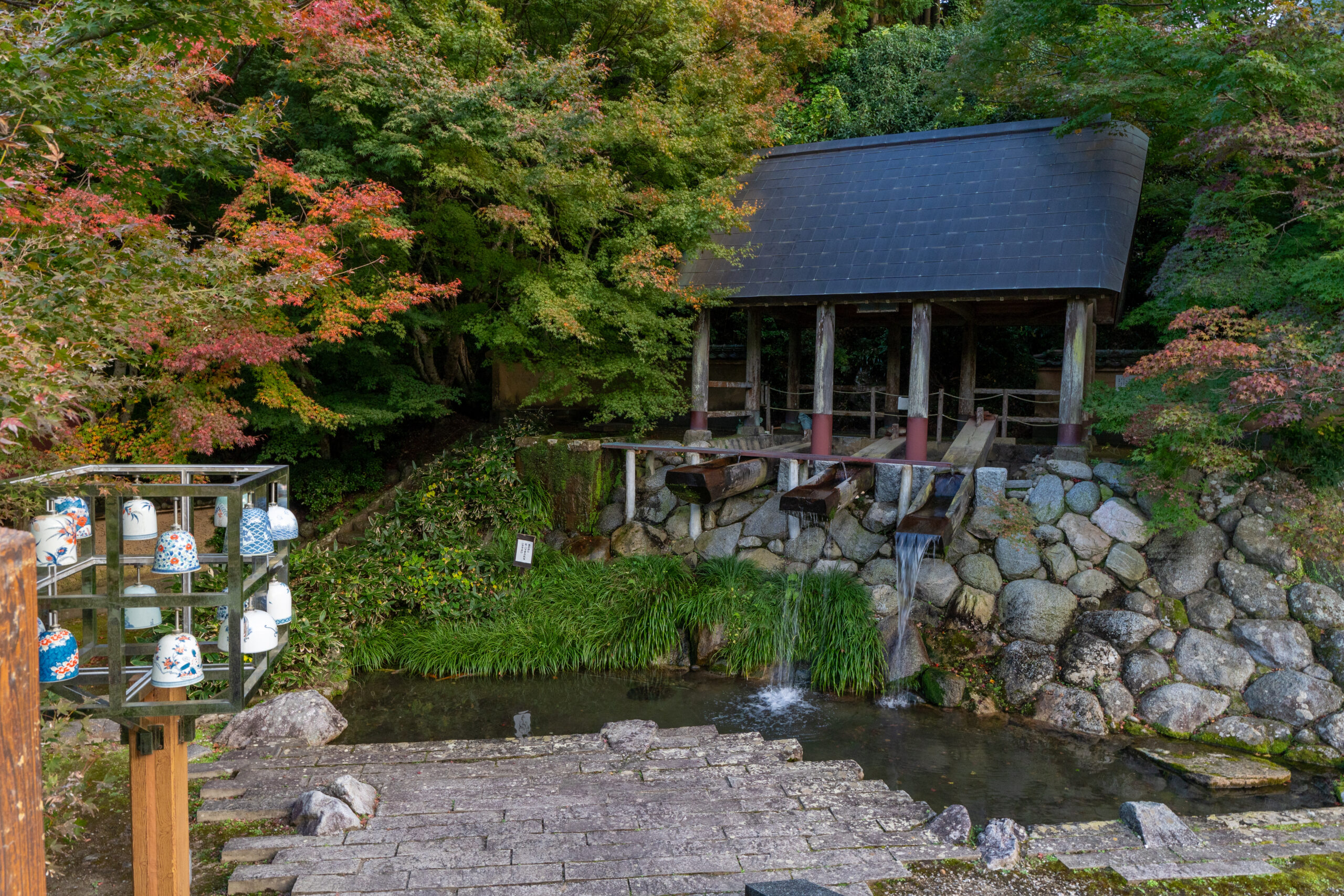
There are a number of old pottery related things to look at dotted around, including a large stepped kiln and a replica water mill that uses water filled mortars to drop down and crush the stone for porcelain.
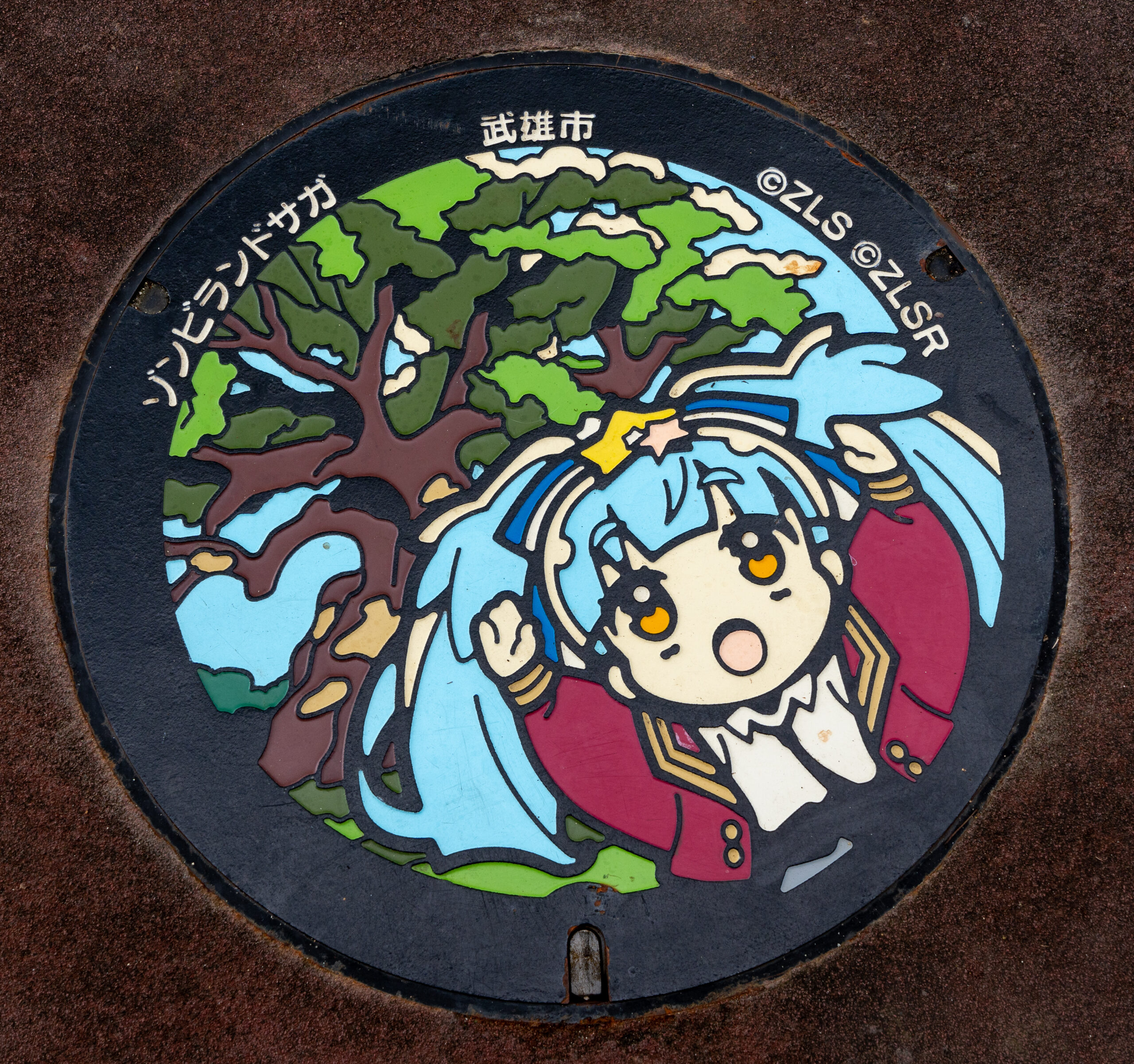
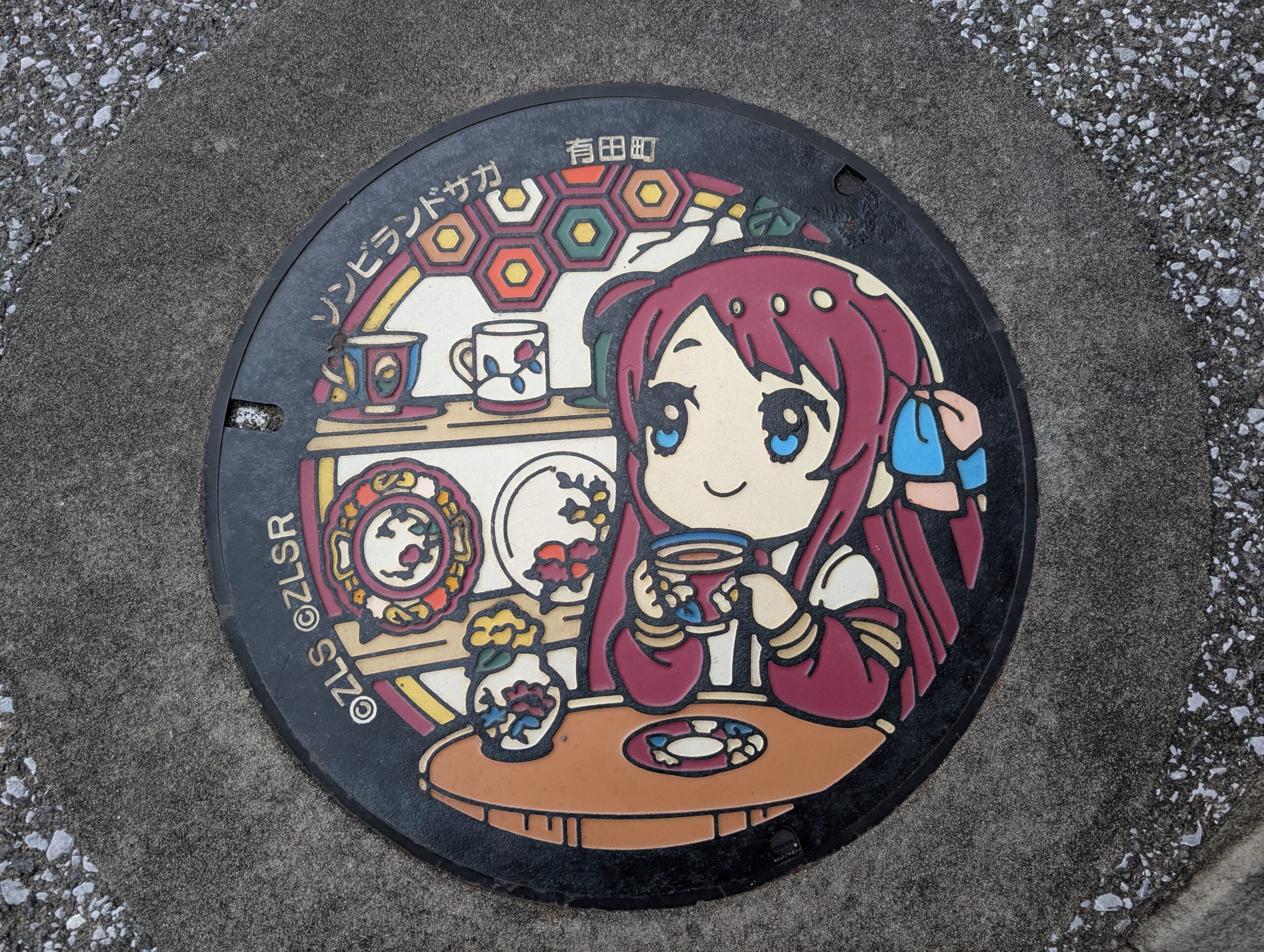
As we had spent the day in Saga prefecture, we managed to find 2 more of the Zombieland Saga manhole covers
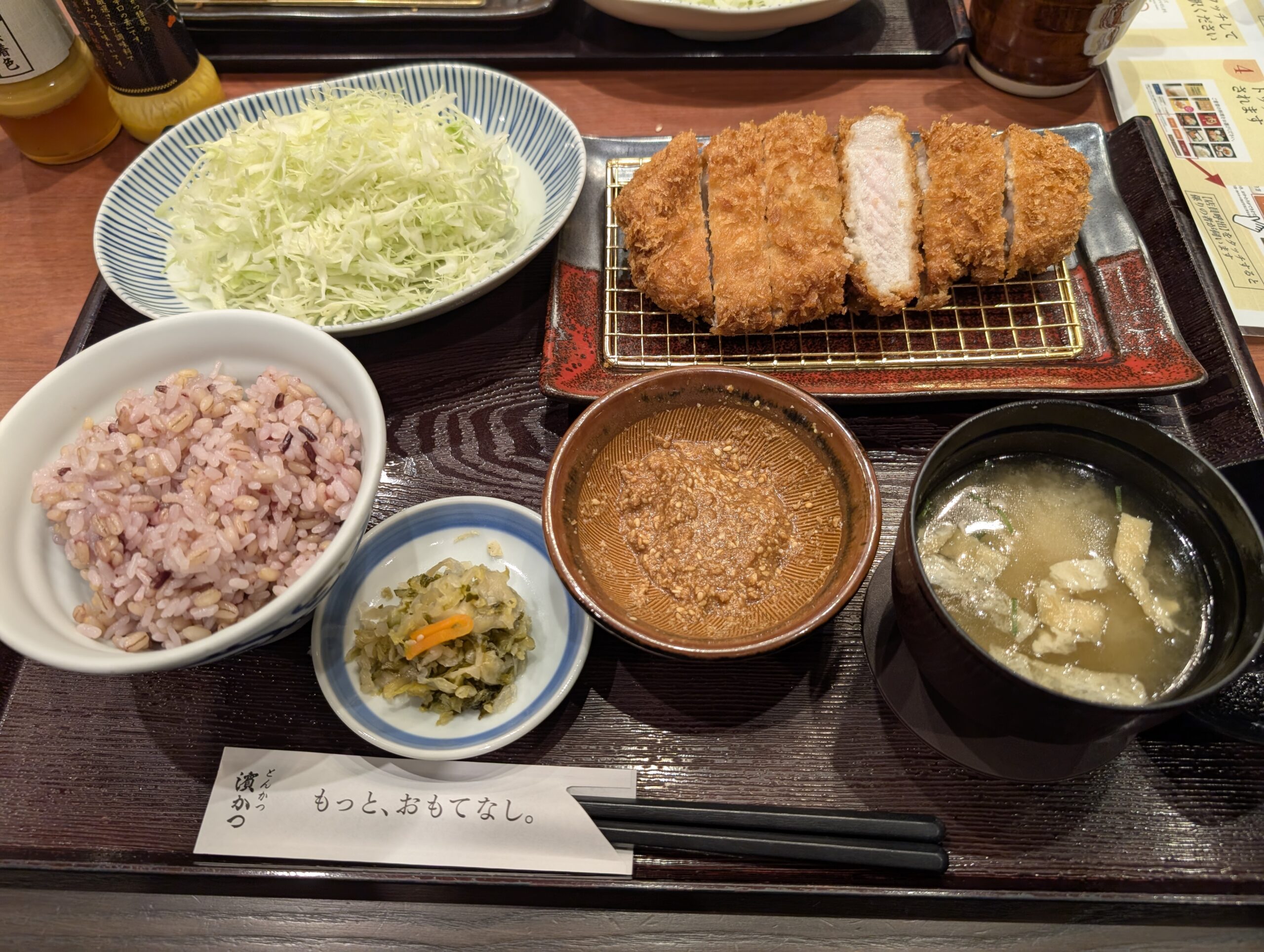
After returning back to Sasebo, we went and had dinner at a nearby Katsu resturant