Today we were going on a long day trip to the city of Nagasaki.
Ono Village
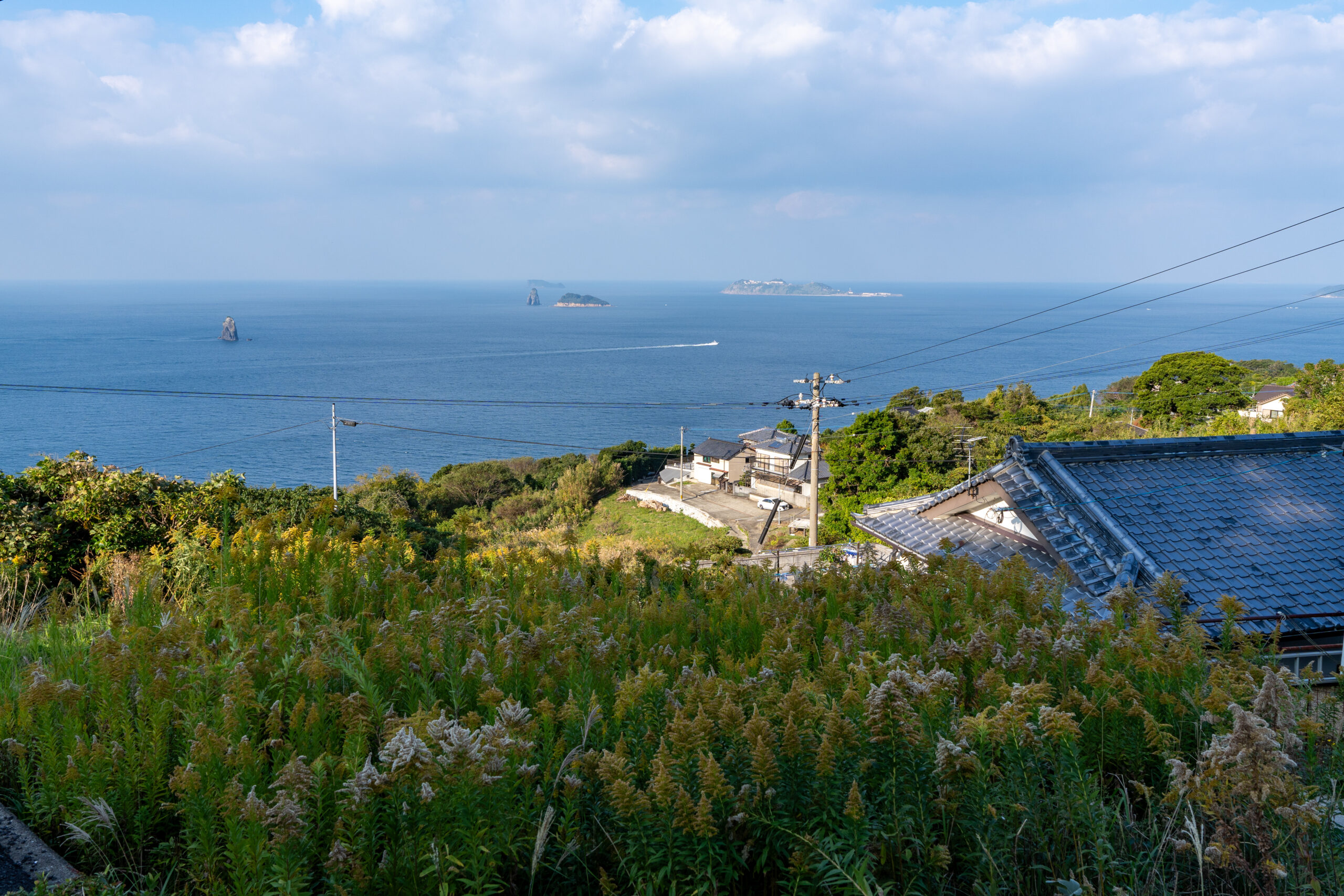
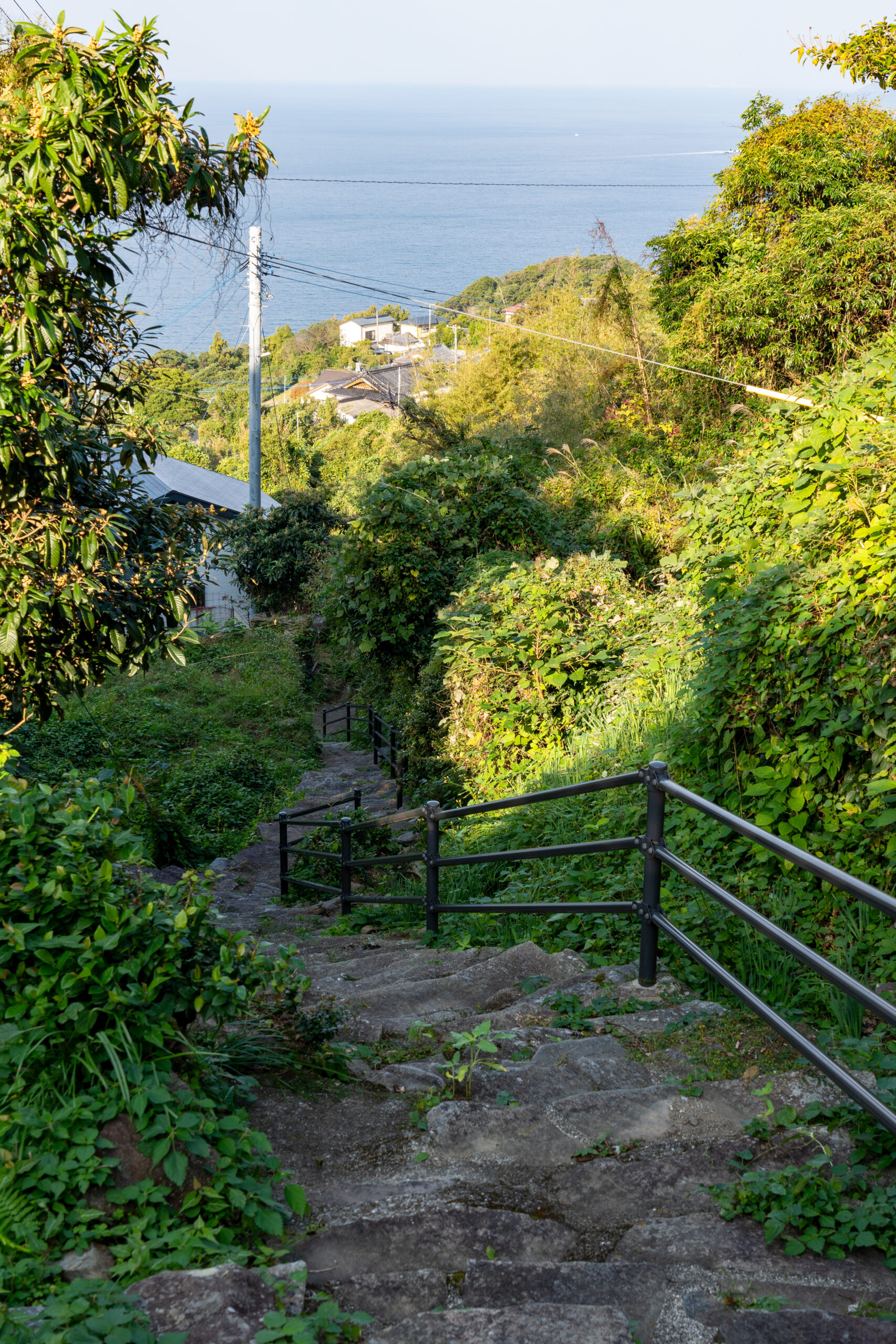
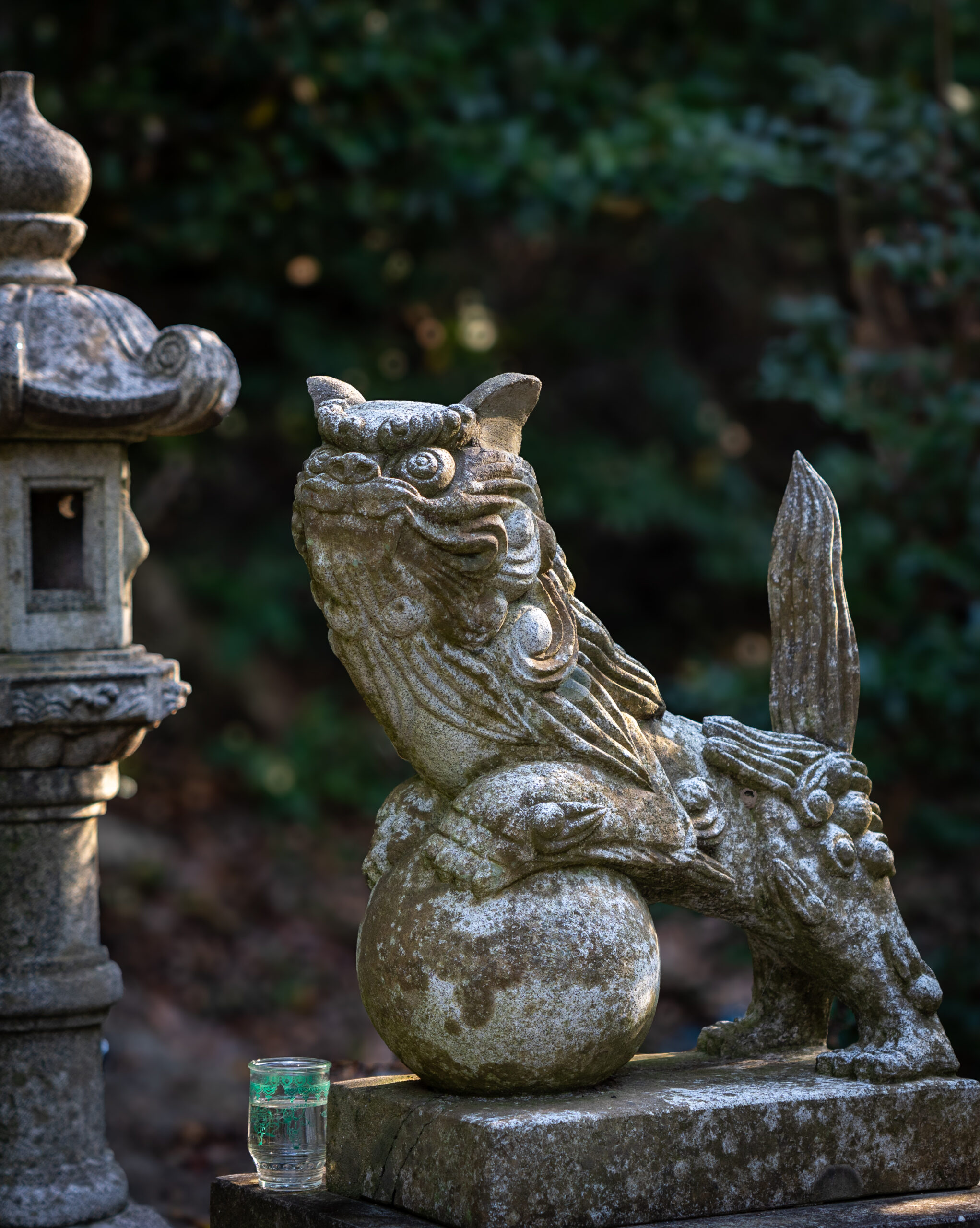
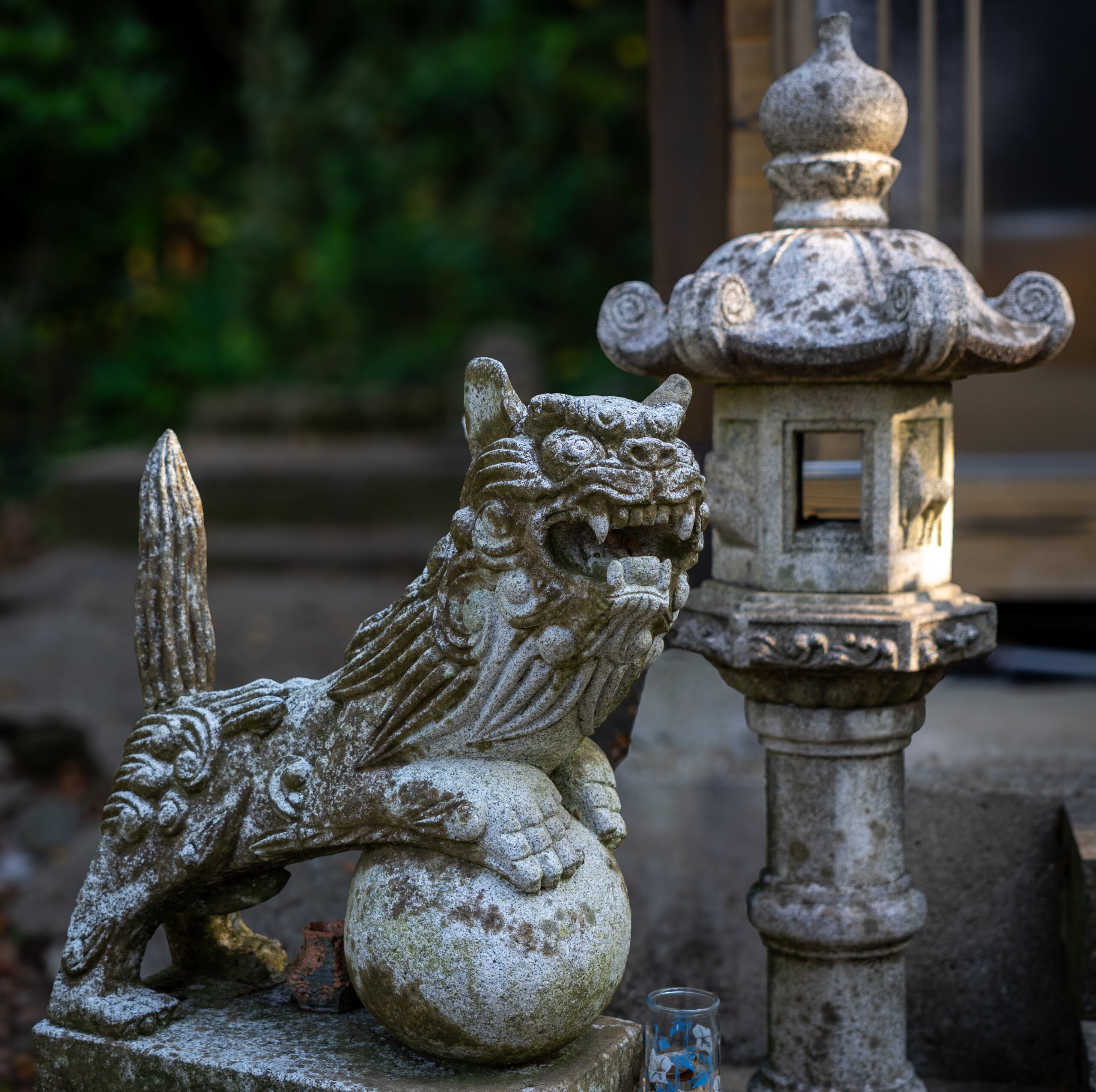
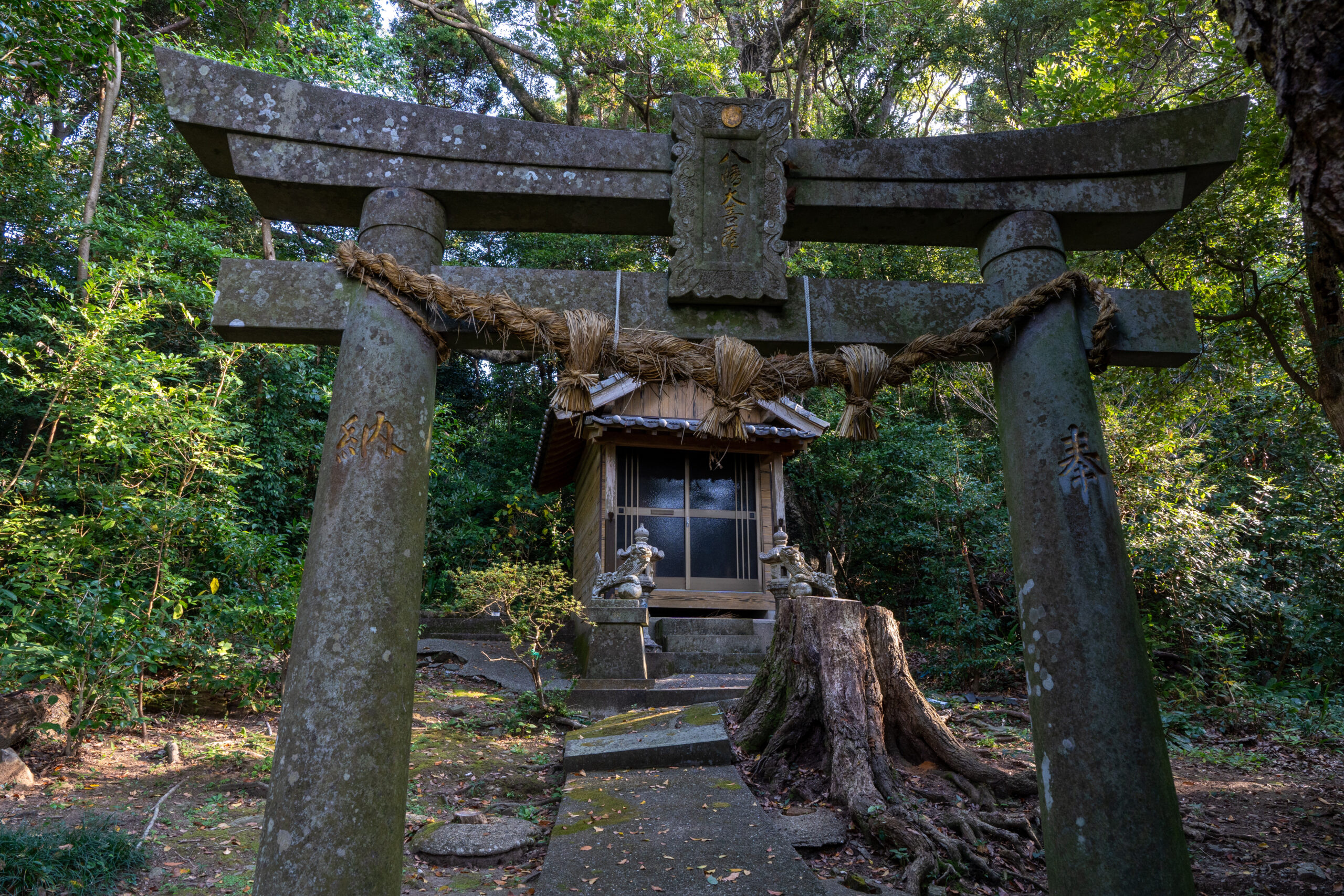
We opted to drive a scenic route along the coast and made a stop at Ono Village along the way. Ono is a very small, quiet village overlooking the sea that is part of the ‘Hidden Christian’s of Nagasaki’ World Heritage Site. There are some walking trails around the village to Tsuji Shrine, what appears to be a Shinto shrine, but was a secret Christian worship site.
Mount Inasa
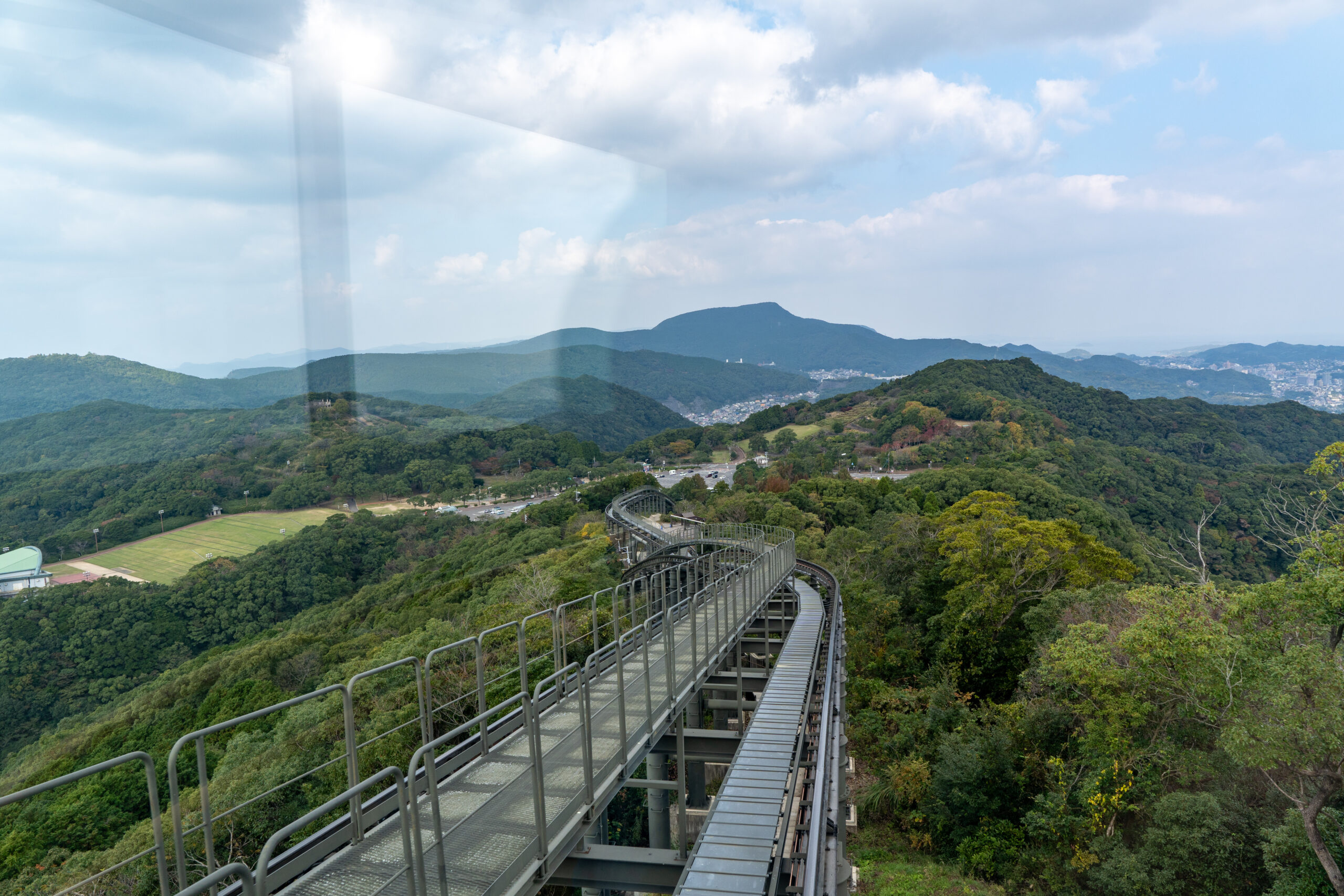
We then carried on our drive to Nagasaki, stopping just outside the city at a large carpark near the Mount Inasa slope car station. Rather than trying to find parking for the car in the middle of city, we were going to leave it here for the day and use public transport to get around.
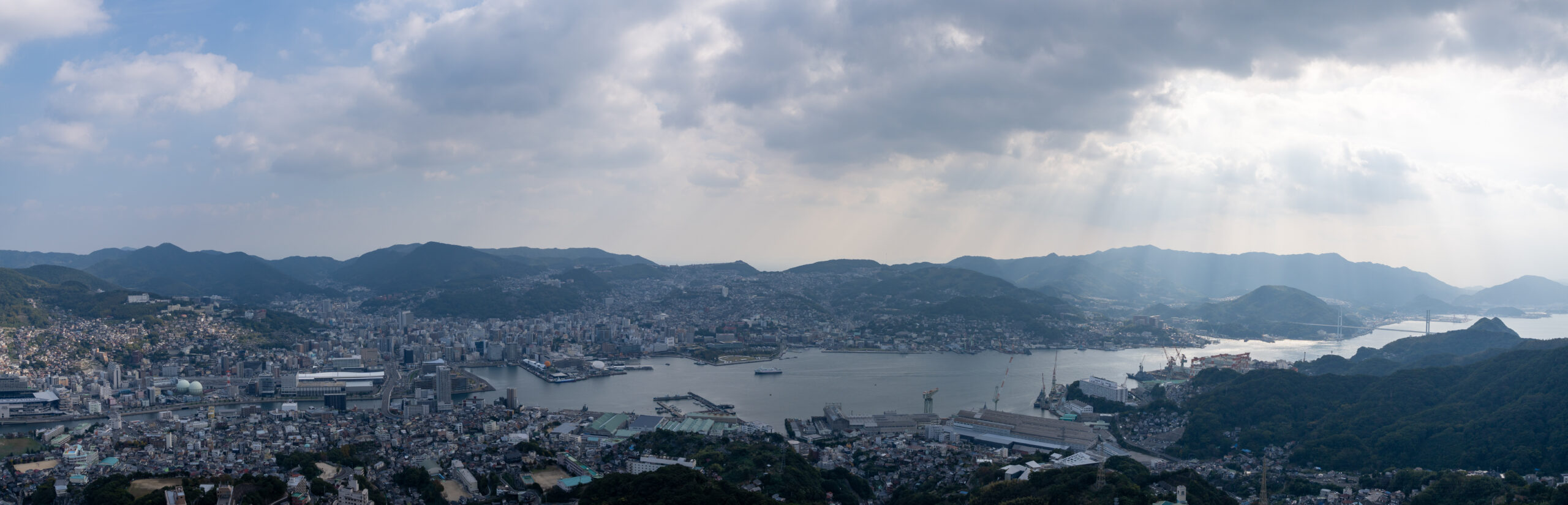
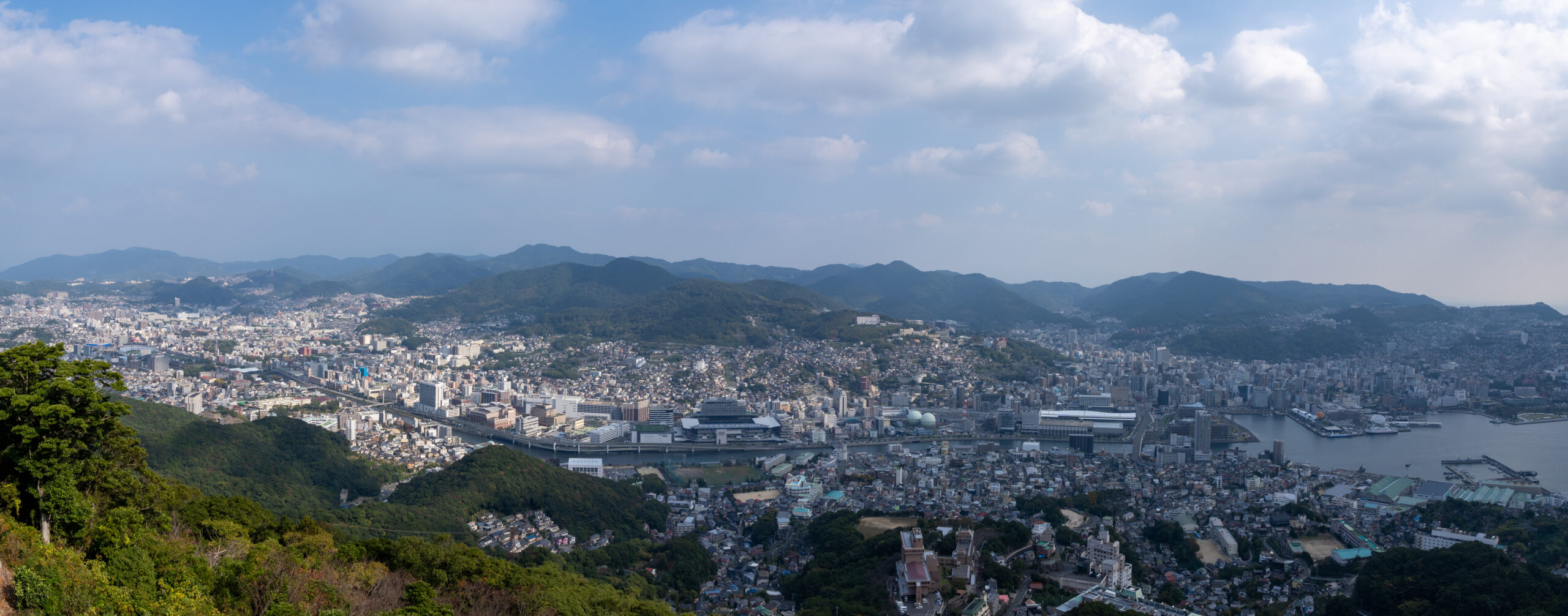
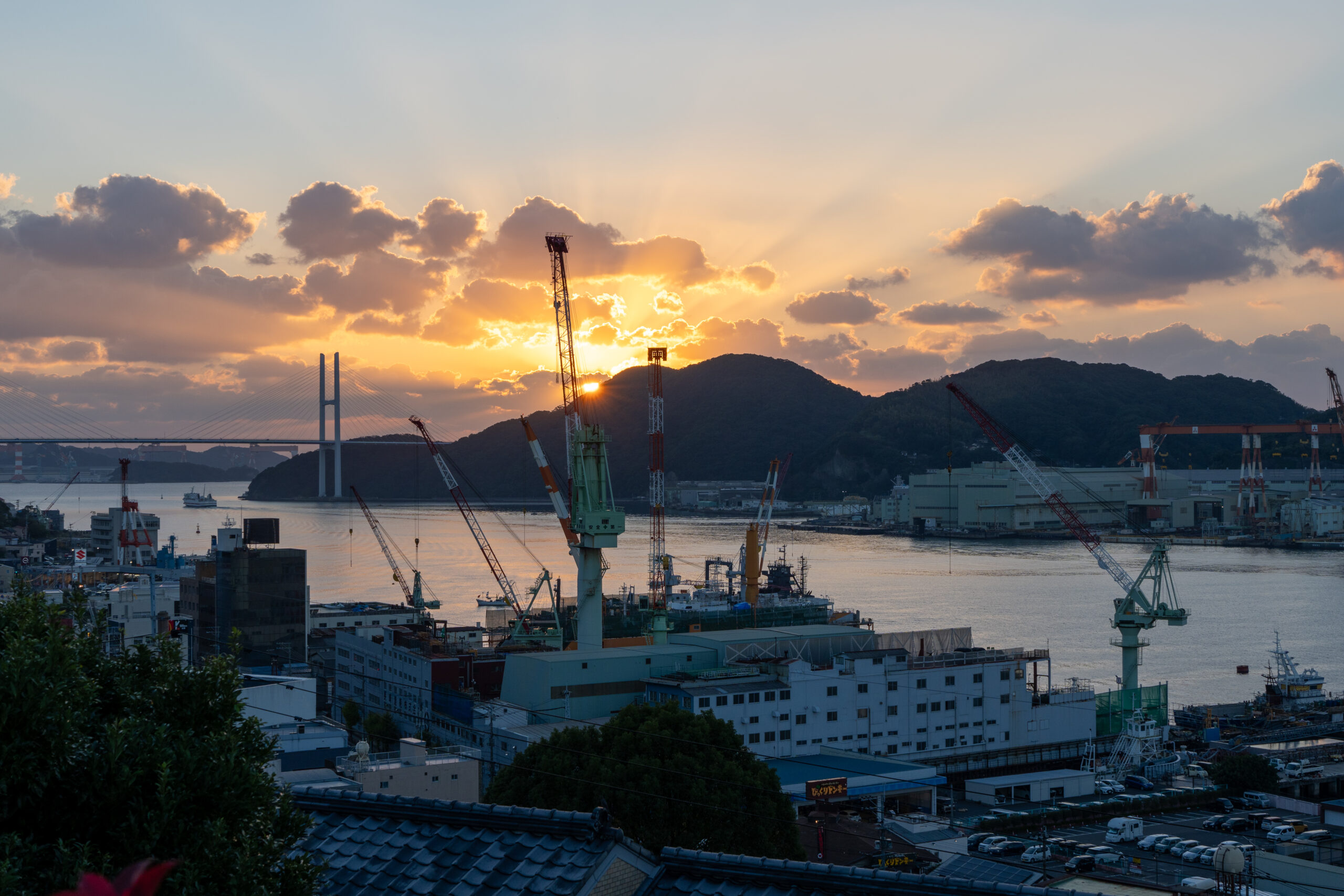
First we took the slope car up to the top of Inasa where we could see over the entire city.
Megane Bridge
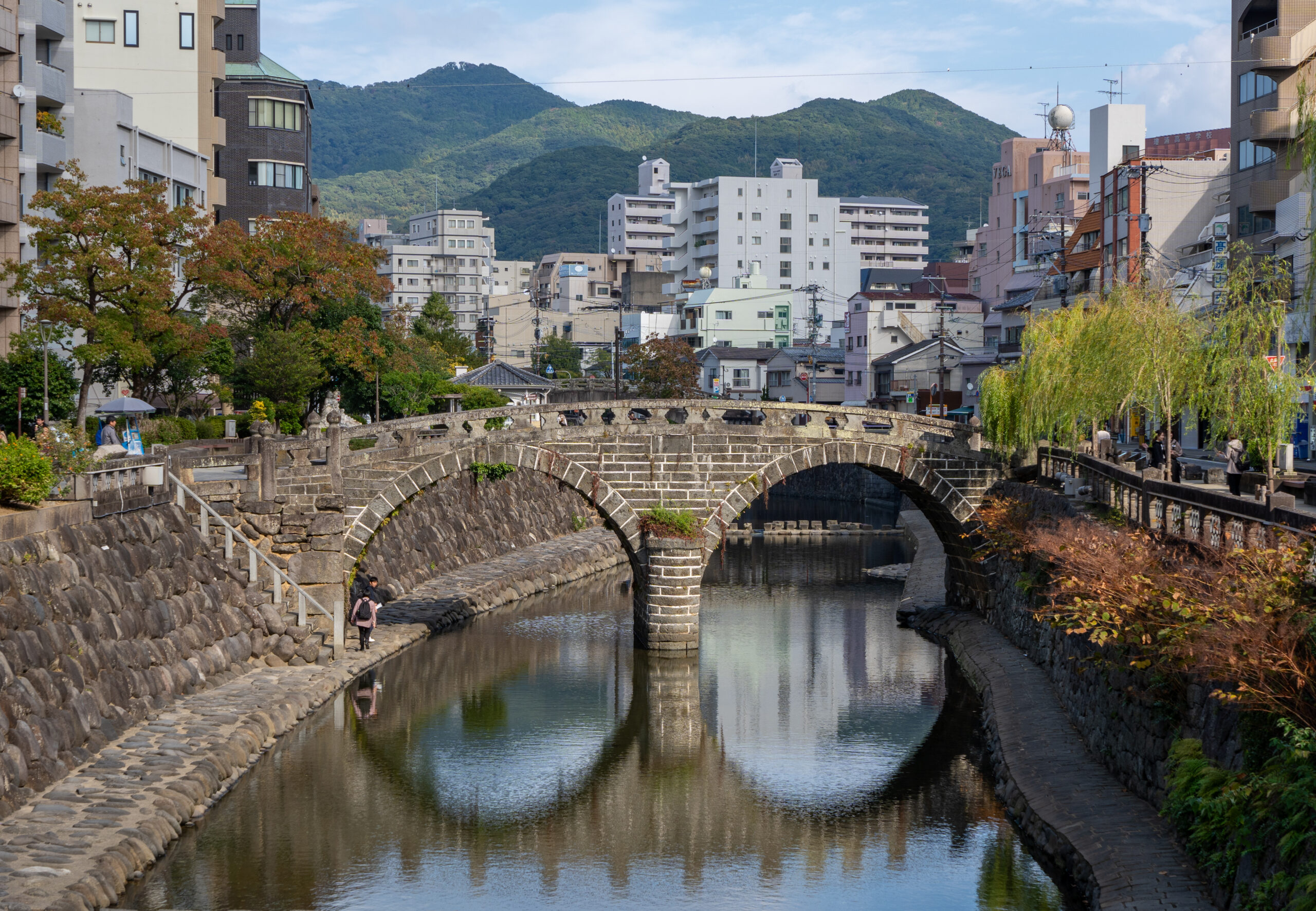
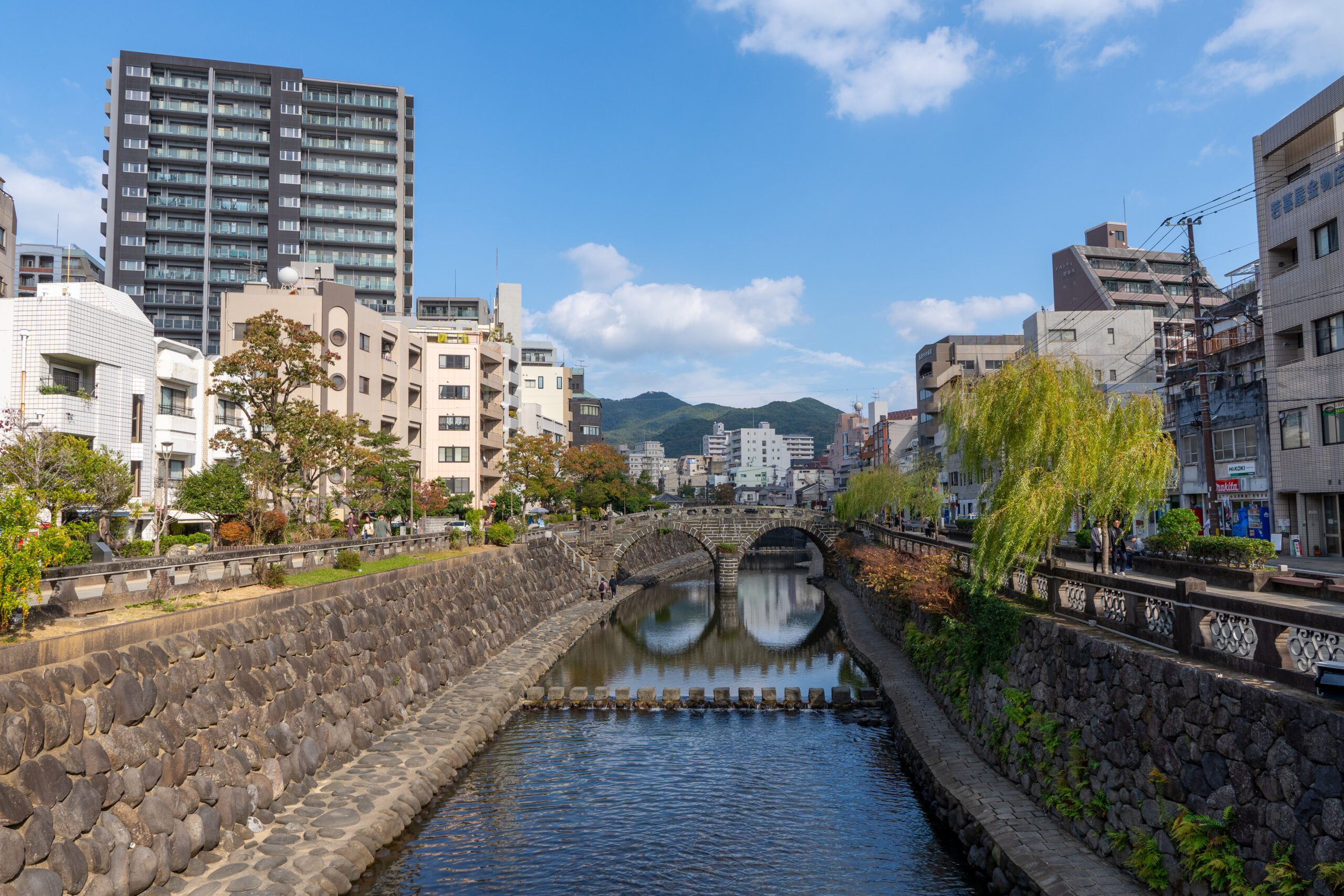
We then took the cable car down into Nagasaki and got the bus to Megane Bridge. Megane means glasses, after the shape the brige and its reflection makes in the river.
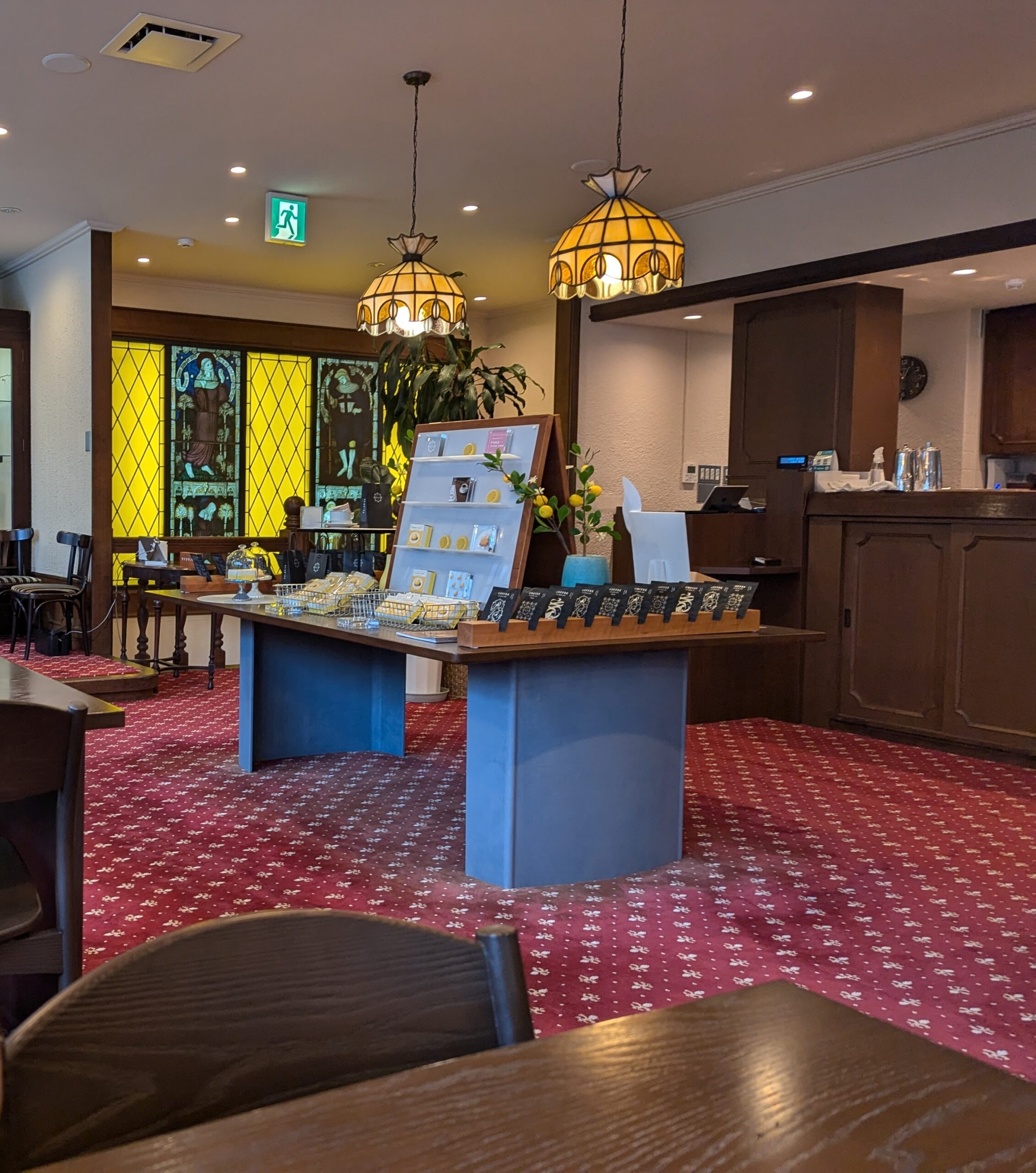
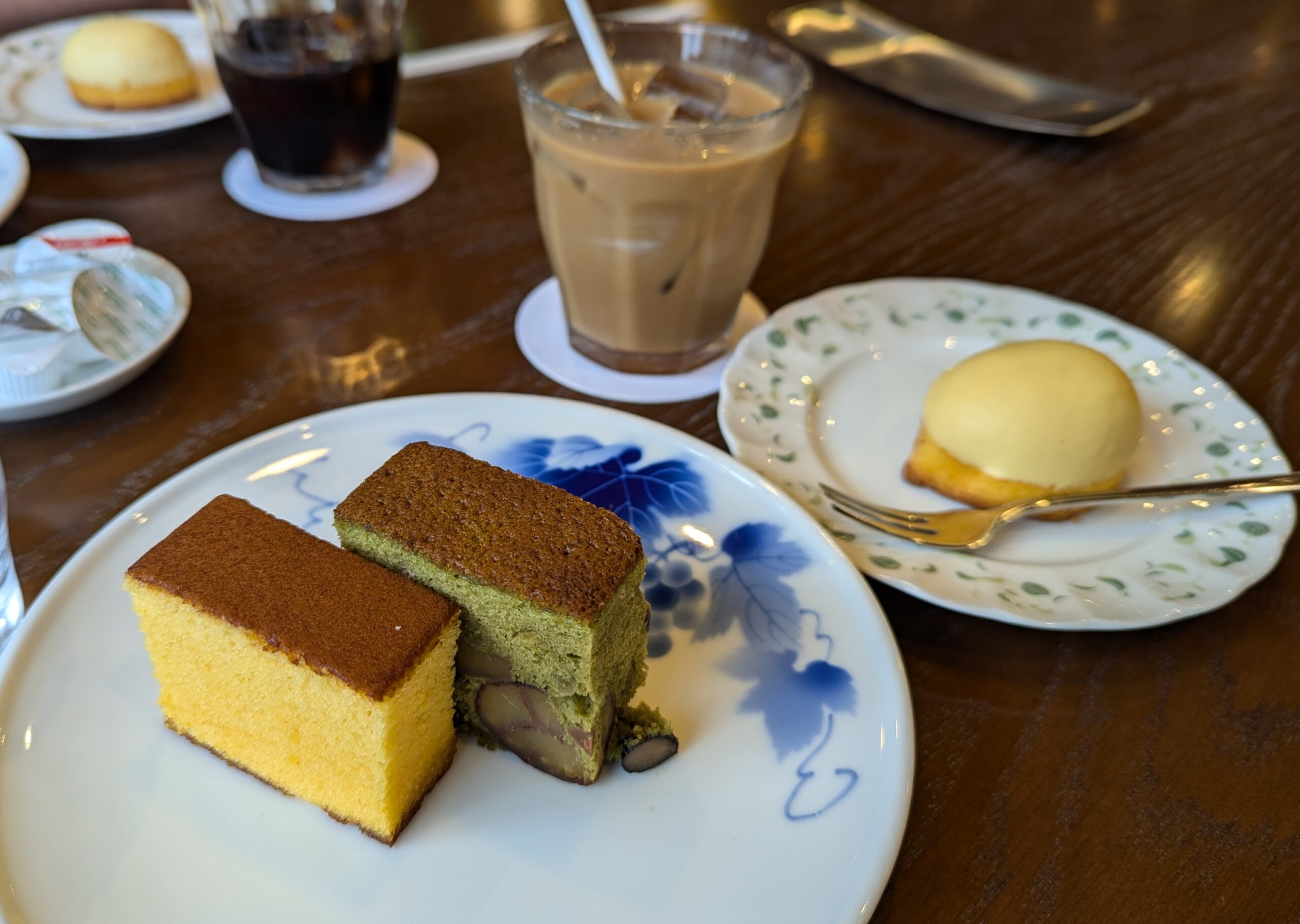
Being one of the few ports open to foreign traders during Japan’s hundreds of years of isolation, Nagasaki has been influenced by other cultures a lot longer than much of Japan. One of its many food specialities it has become known for is Castella cake, originally from Portugal. Near the Megane bridge was Shooken’s main store, a 300 year old company specialising in Castella. This branch is in the old city hall and and has a cafe which we visited for some coffee and a mini cake selection.
Sofuku-ji
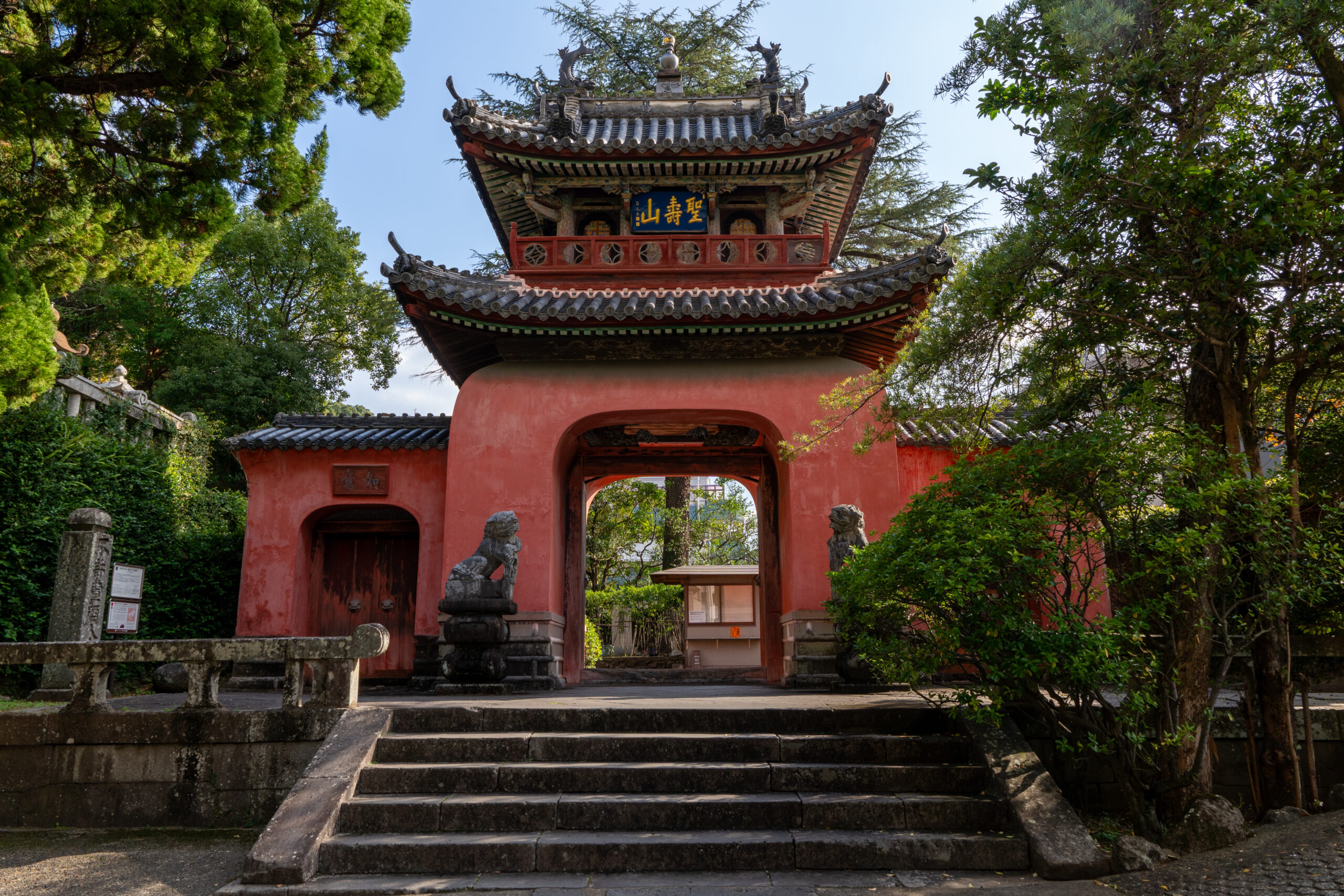
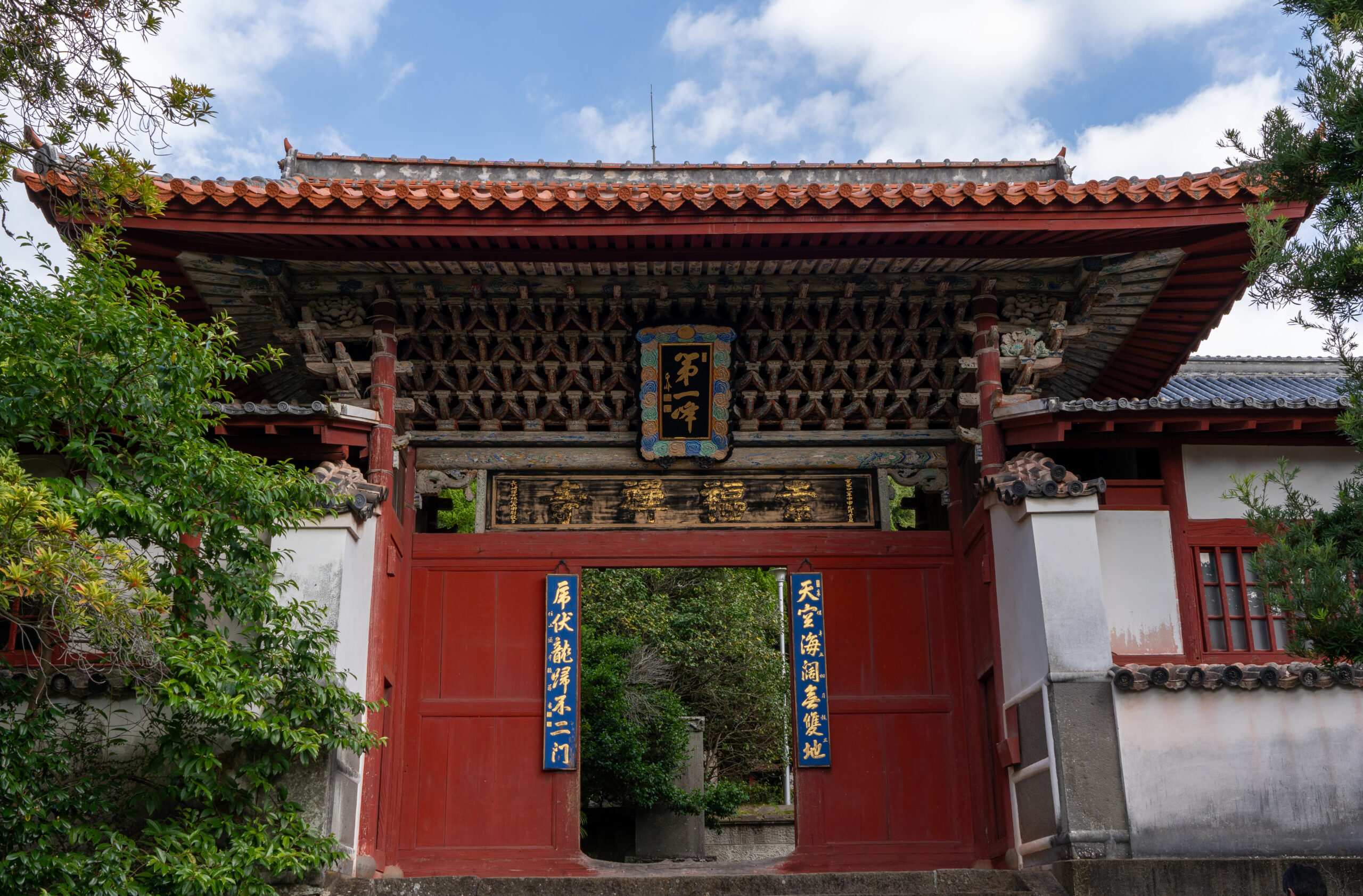
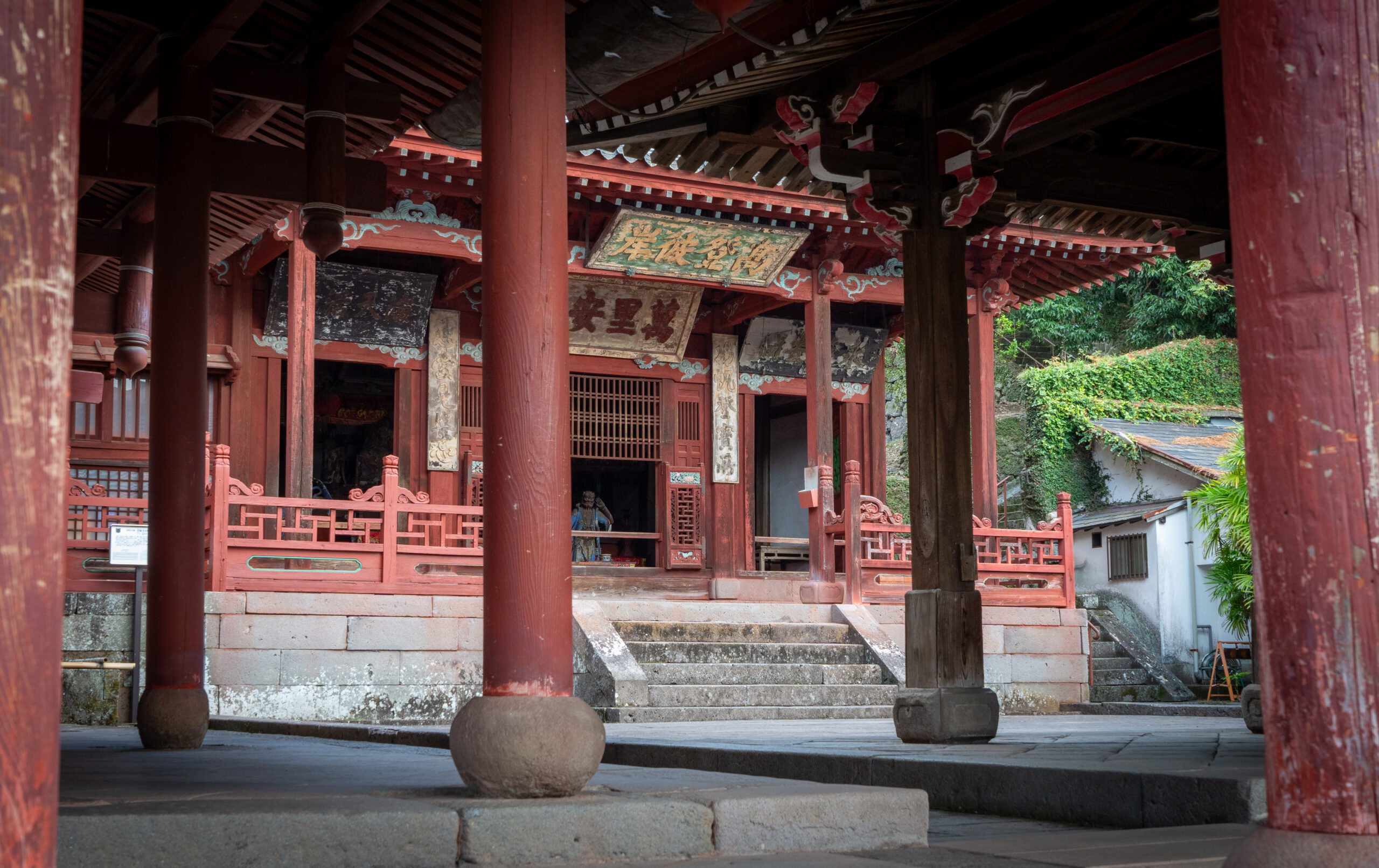
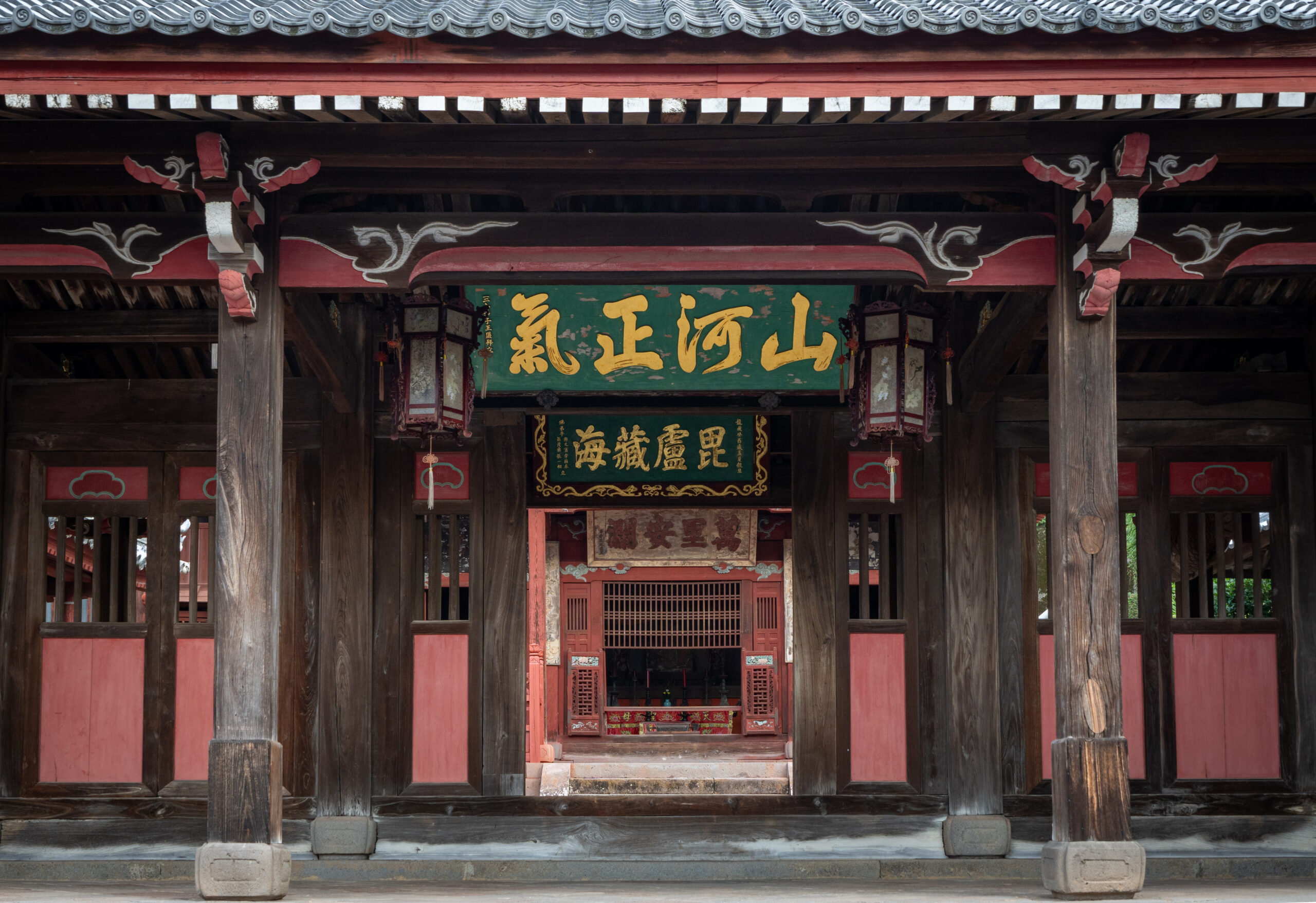
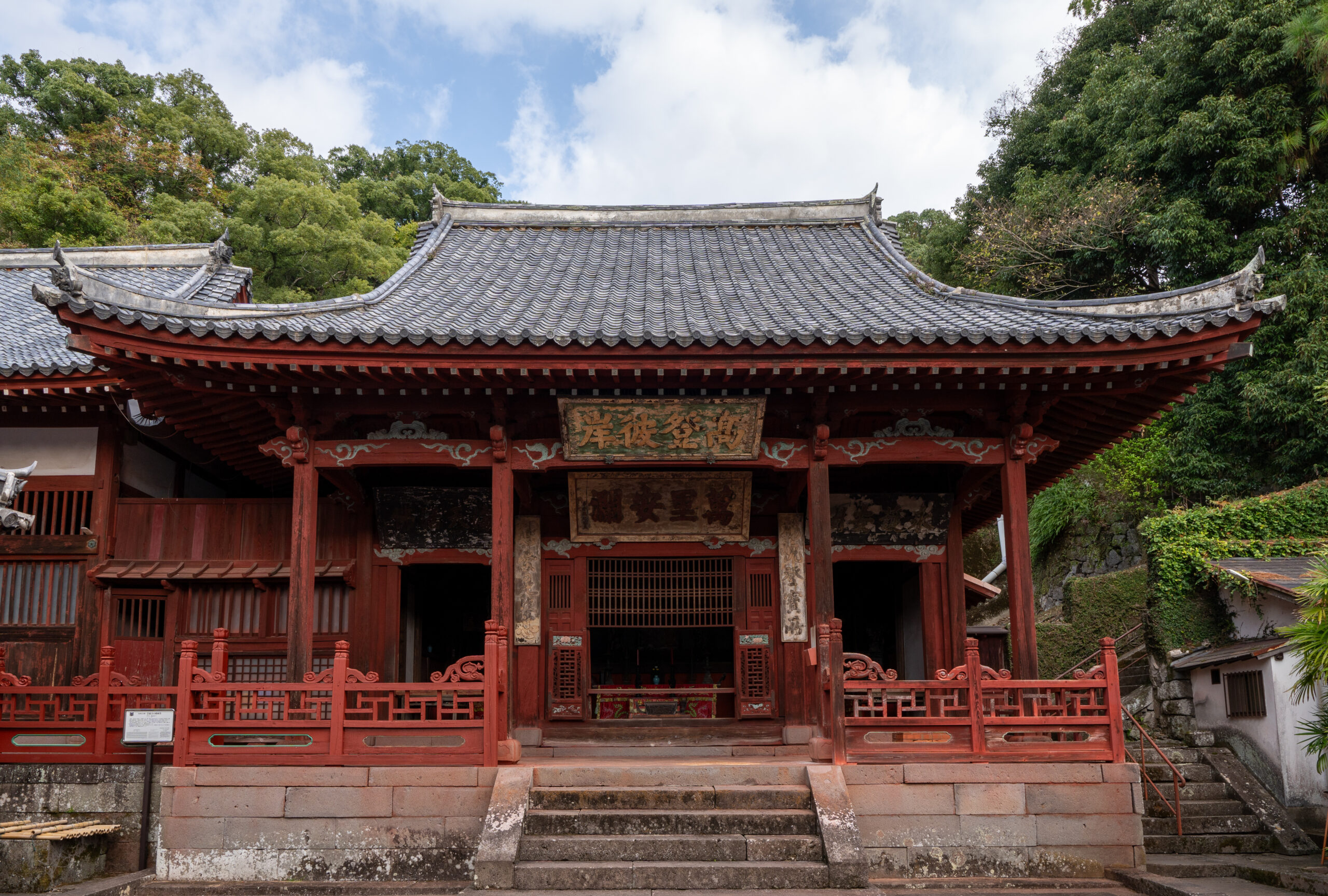
Powered by cake, we walked around the city towards Sofuku-ji temple.
The style of this temple is different to those you usually see in Japan, as it was originally built for the city’s Chinese residents in the 1600s
Tojin Yashiki
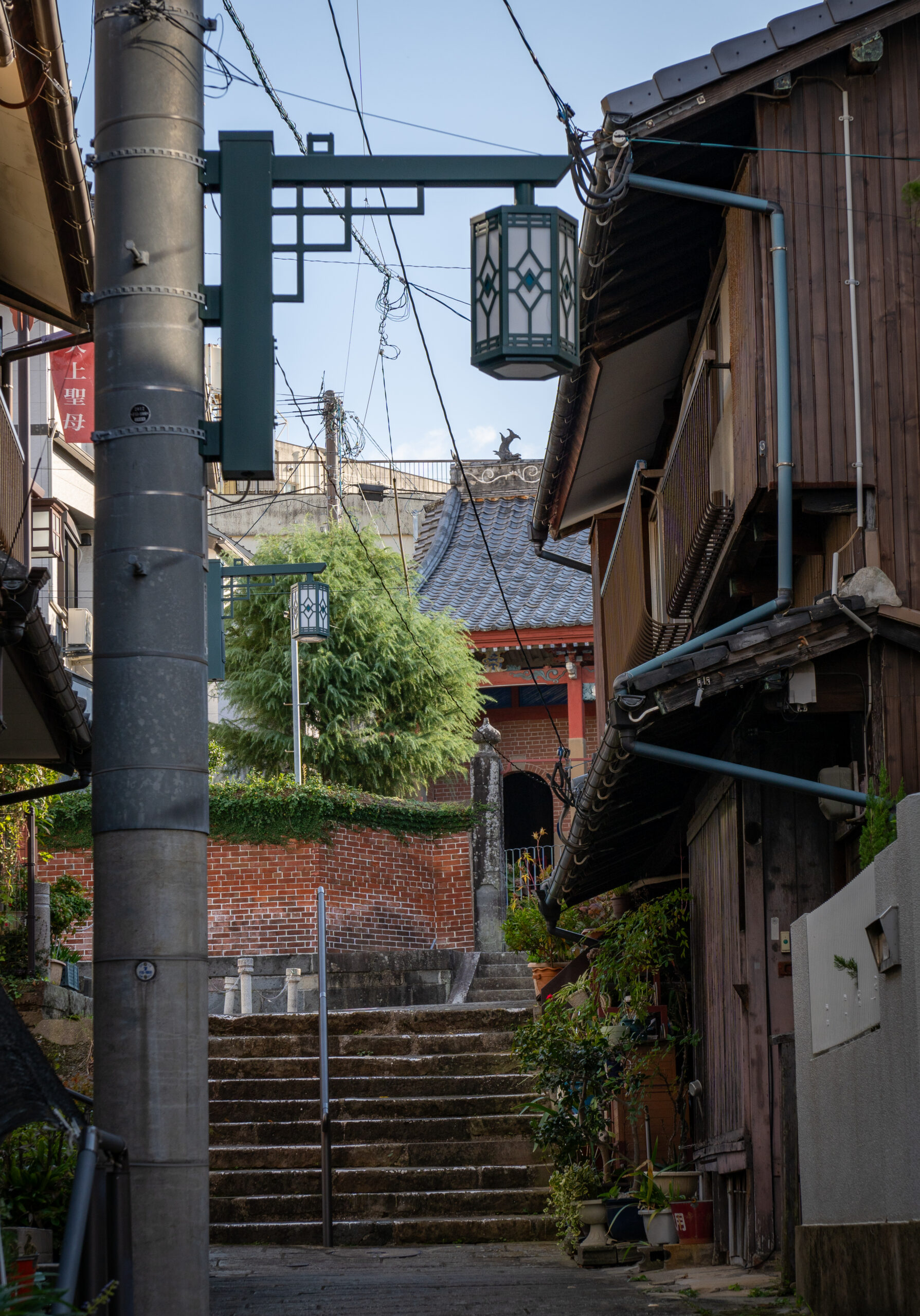
We continued our walk around Tojin Yashiki, a quiet neighbourhood that was the former Chinese settlement. It is filled with lots of little alleyways and various Chinese style temples and building dotted about.
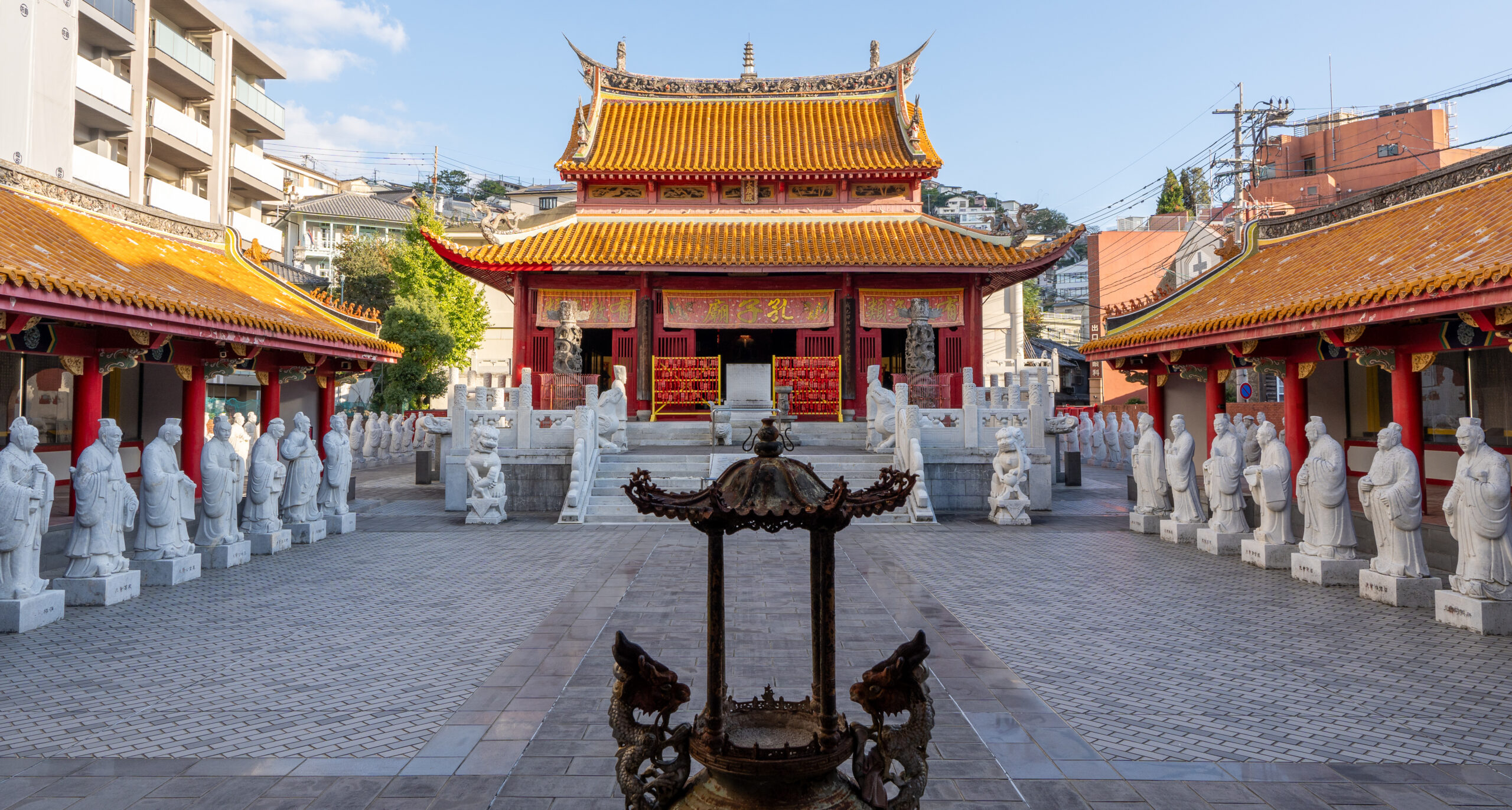
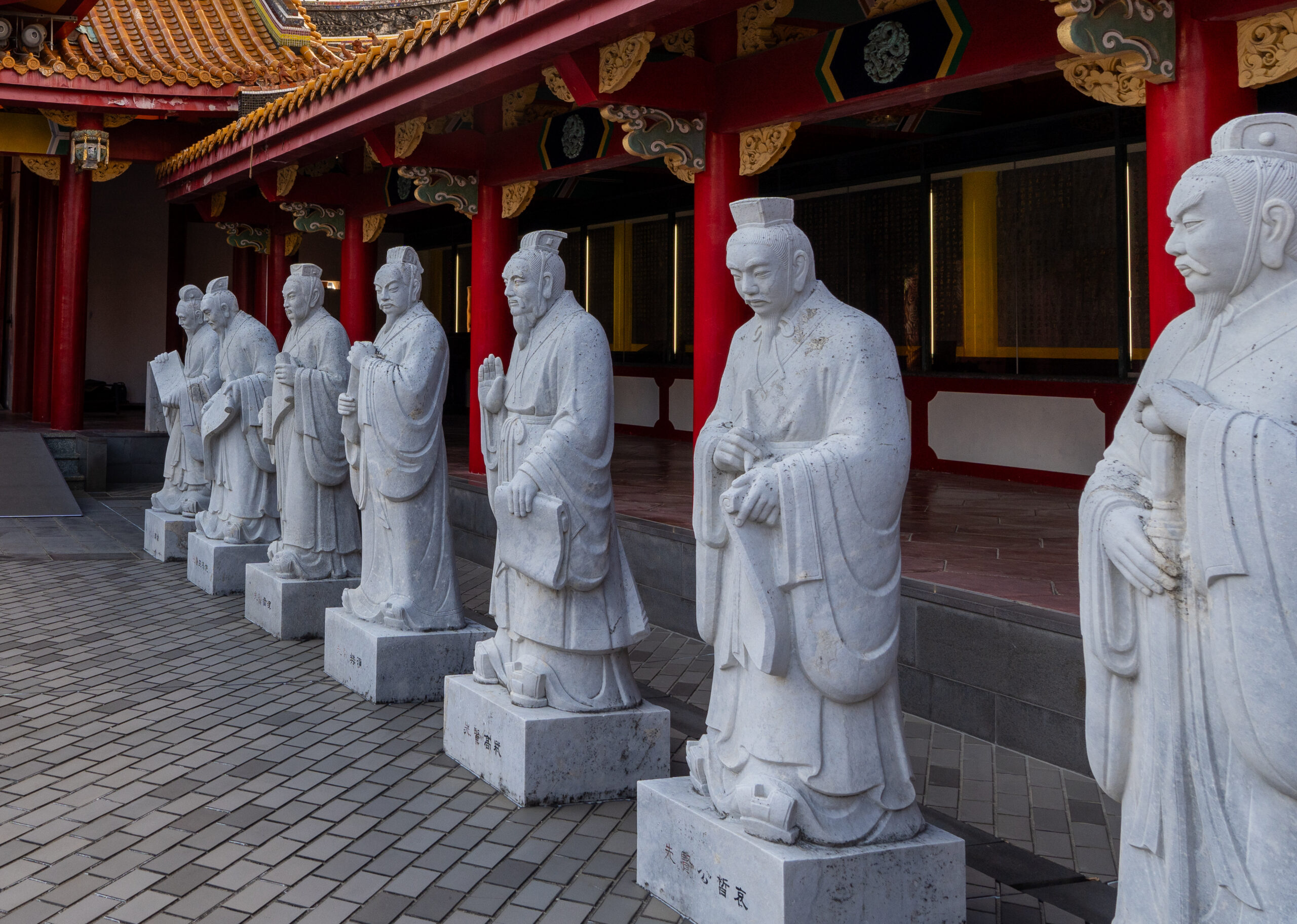
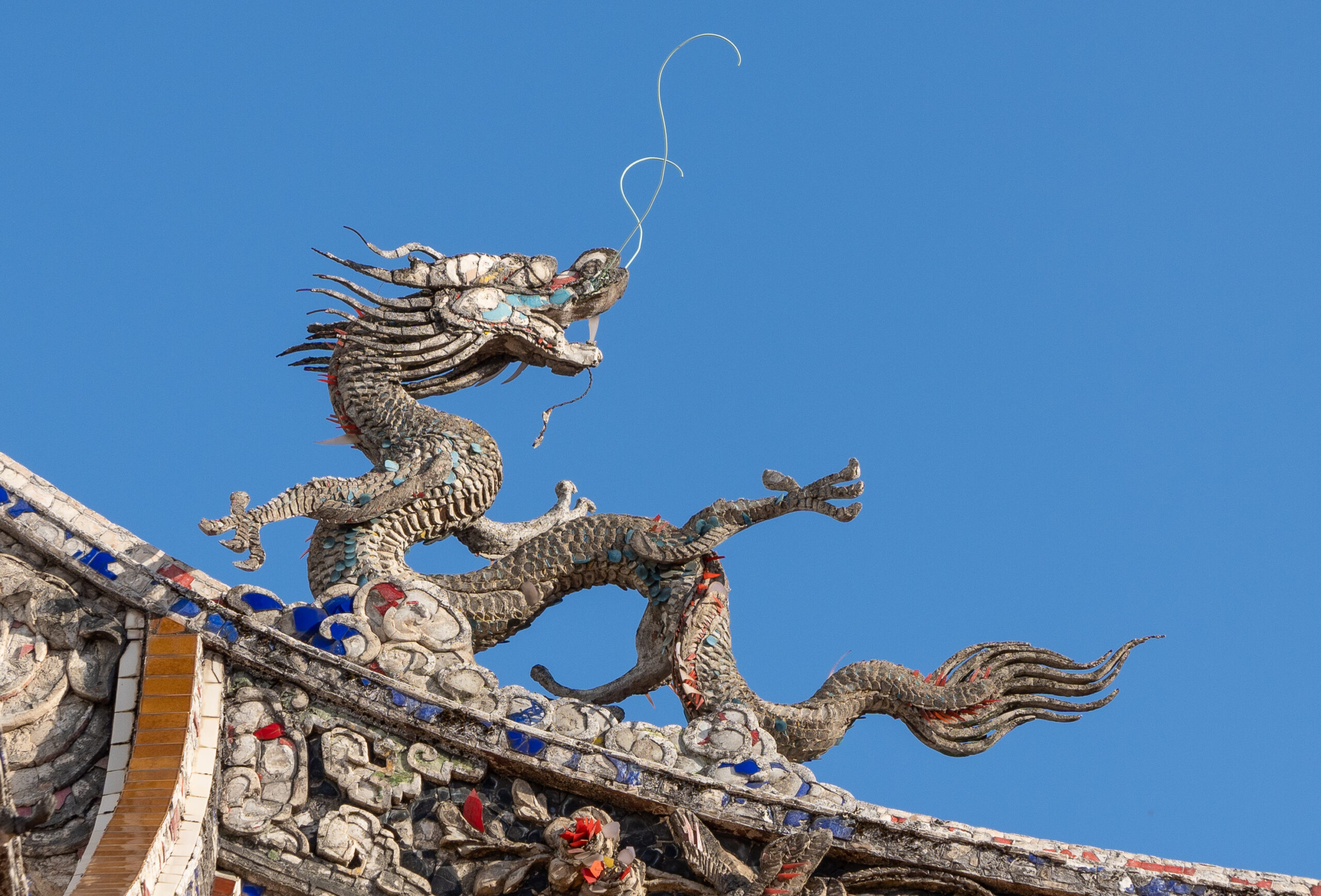
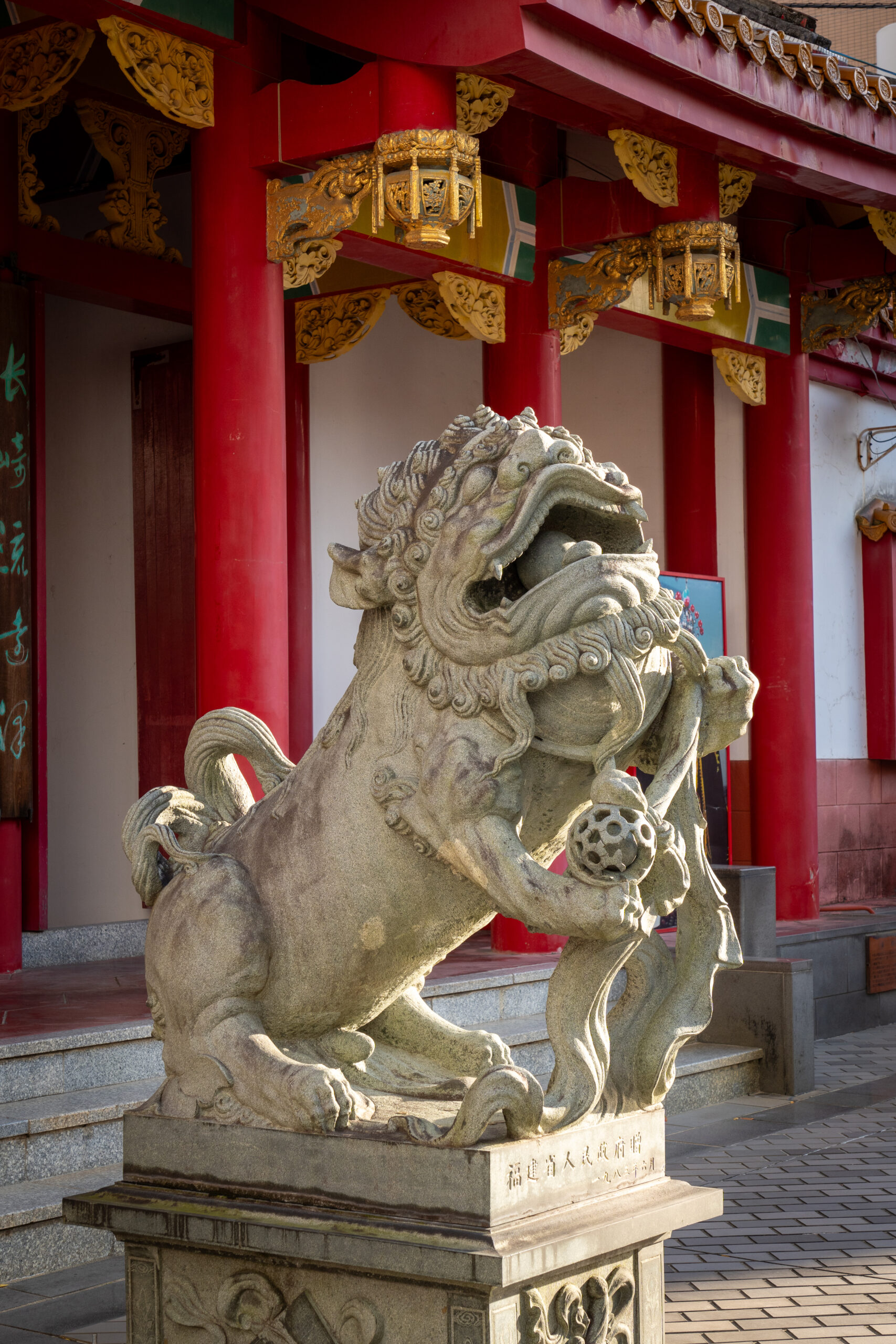
Nagasaki Confucius Shrine
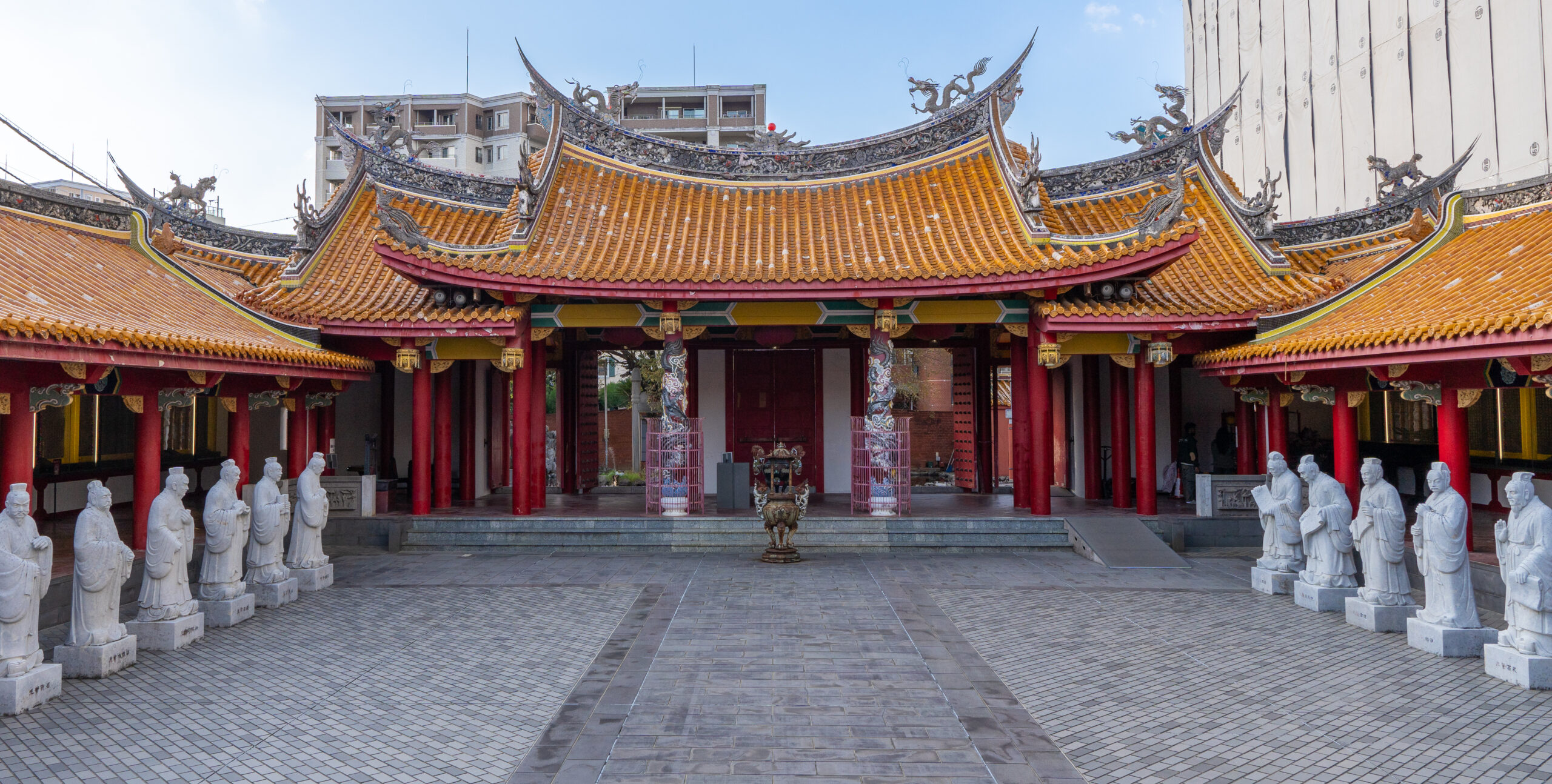
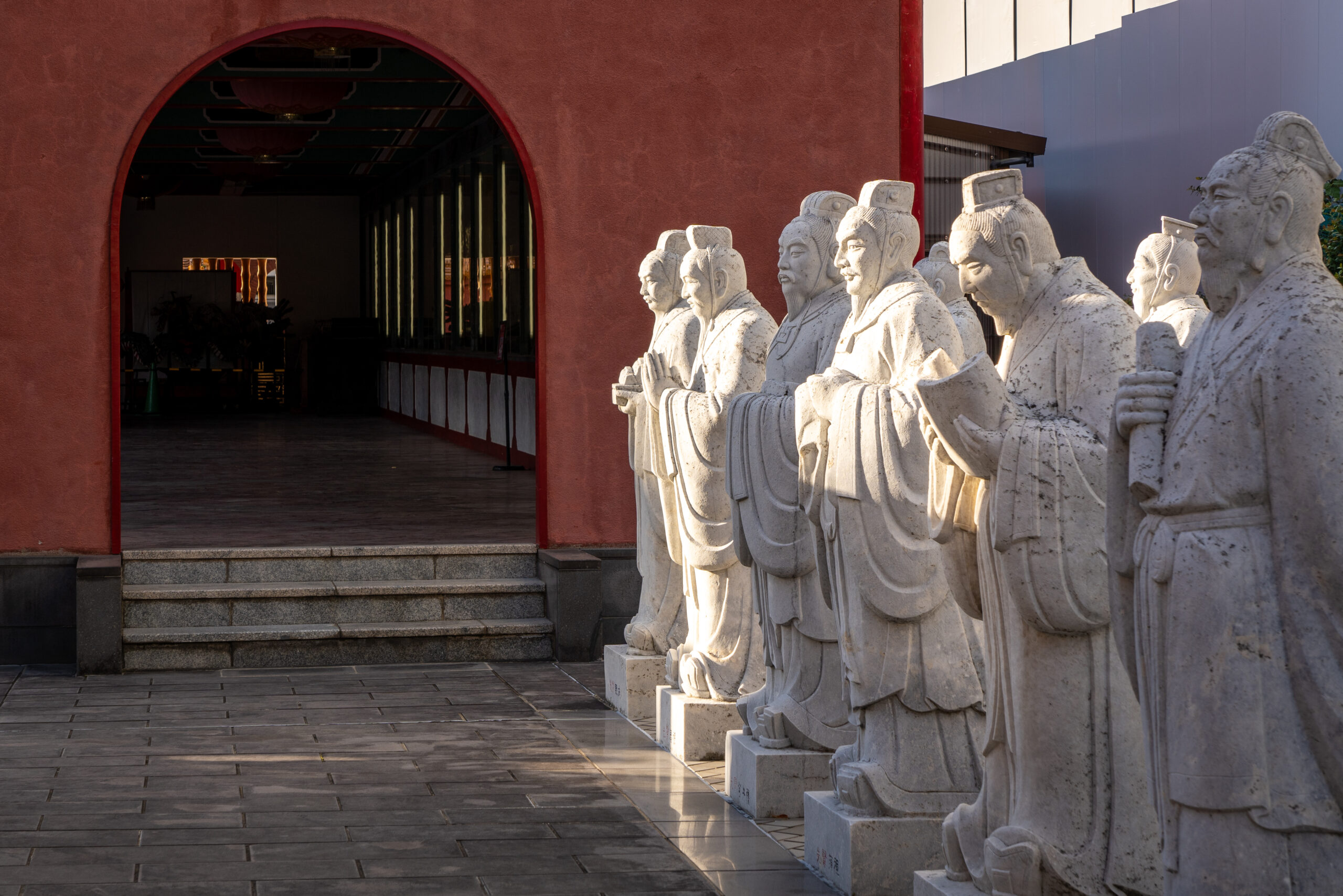
Our walk then led us via the “Dutch Slope” (one of Japan’s ‘three most disappointing landmarks’) to Nagasaki’s Confucius Shrine – another example of the large Chinese influence on the city.
Glover Garden
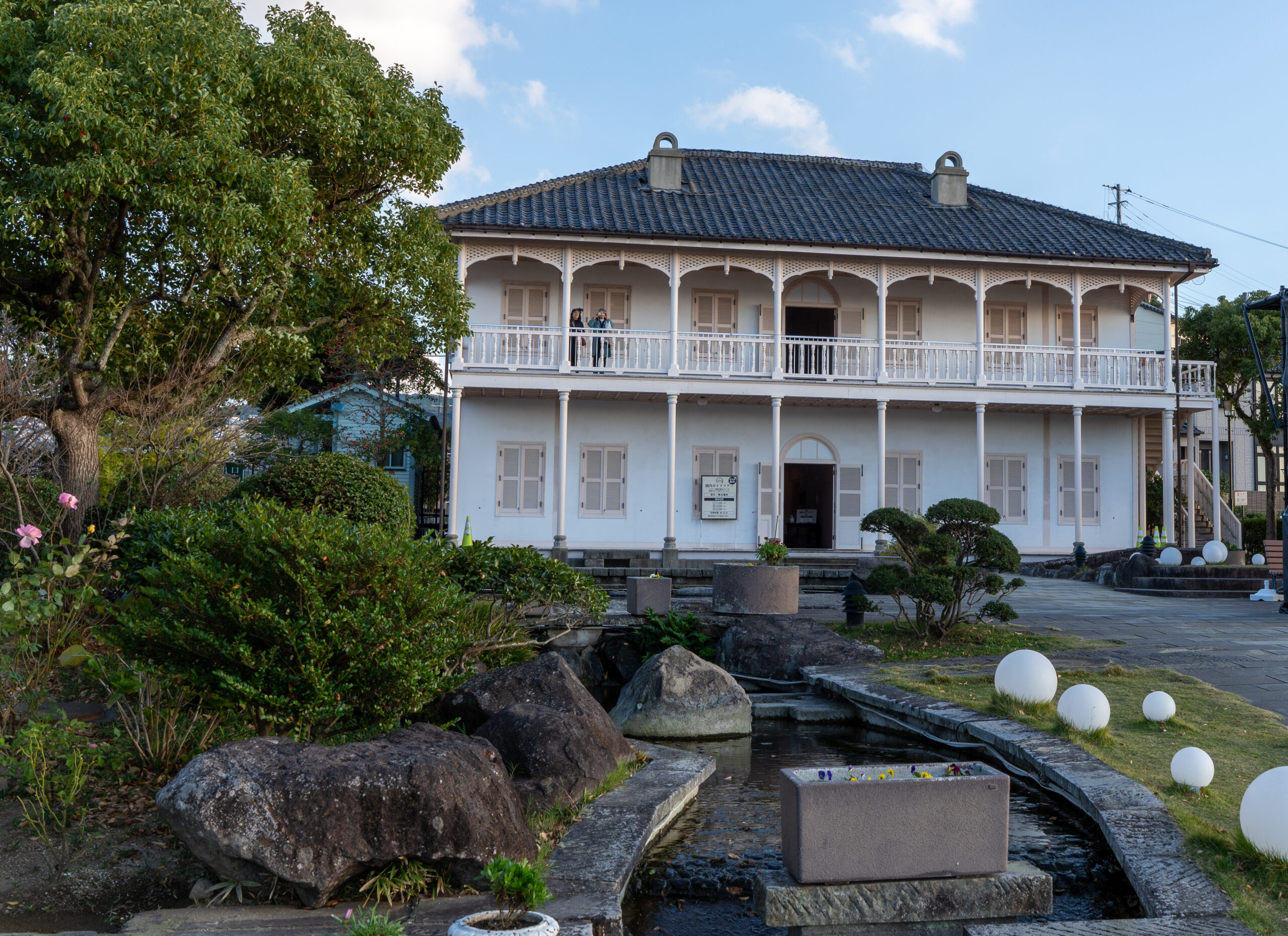
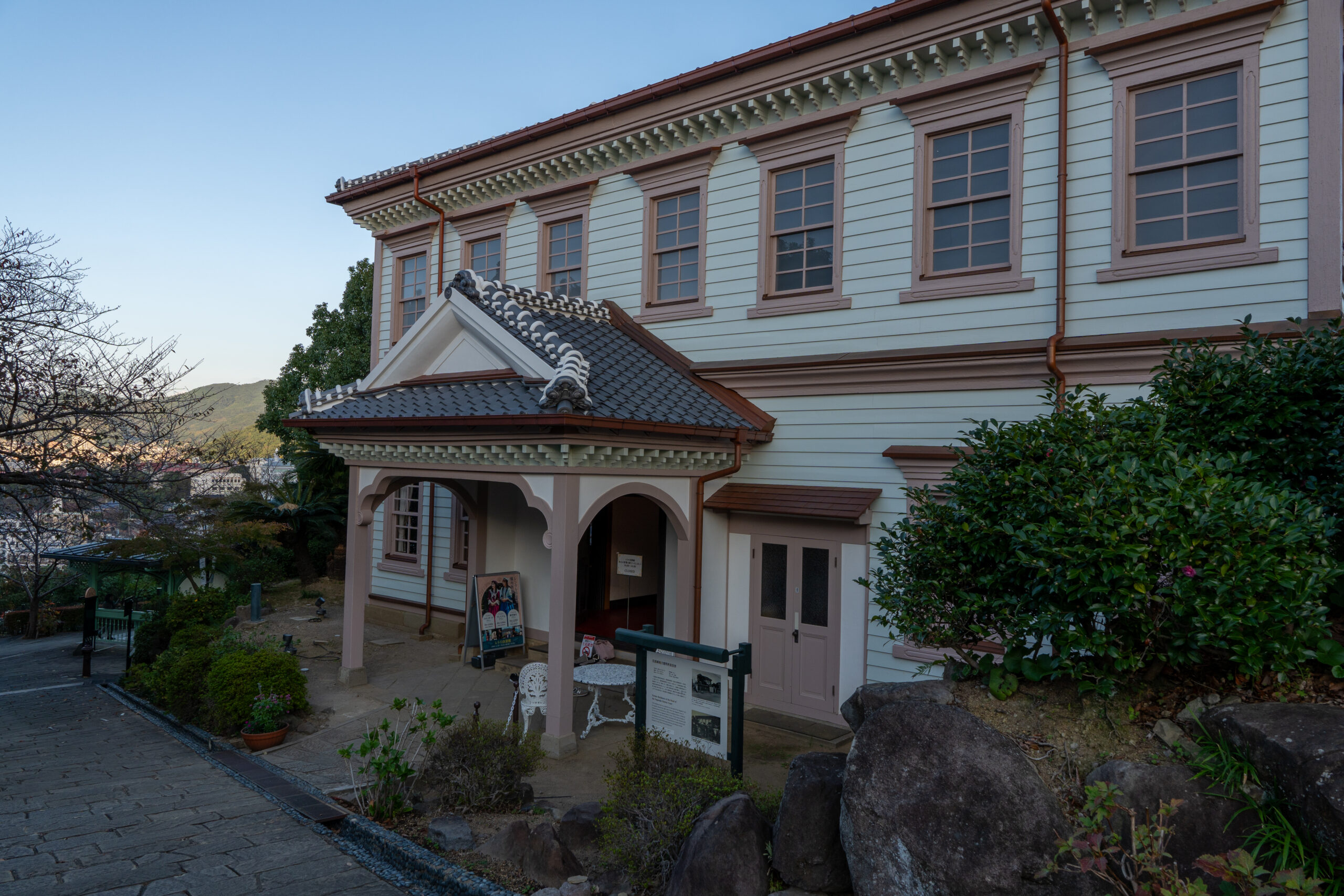
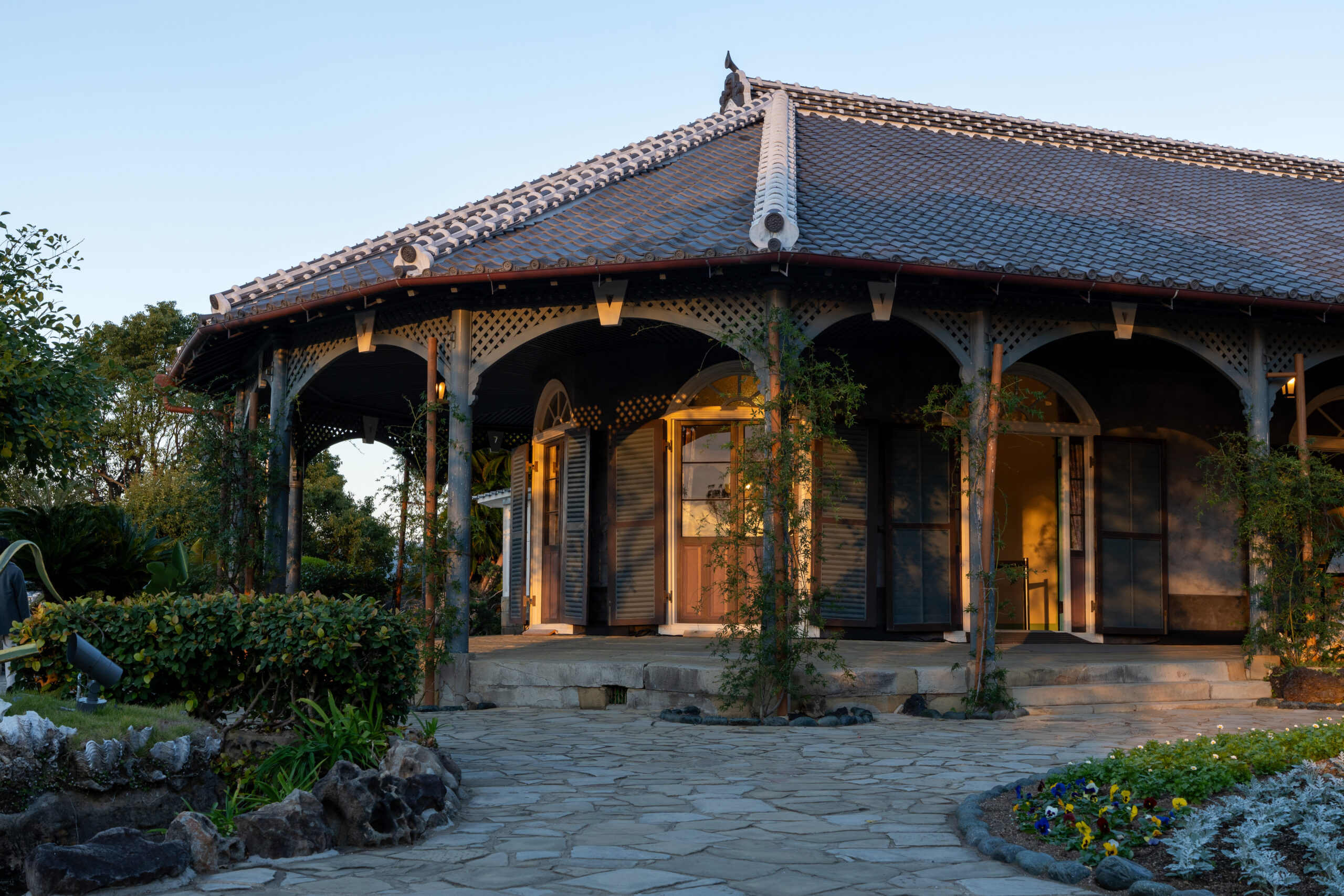
We then made our way over to Glover Garden, which is an open air museum containing a number of the mansions that were built in Nagasaki when western merchants settled in the city in the 1800s
Thomas Glover’s house, a Scottish merchant who moved to Nagasaki in 1859 – he became an important part of Japan’s modernisation as he assisted in overthrowing the Tokugawa Shogunate and starting Japan’s industrialisation in the Meiji Restoration
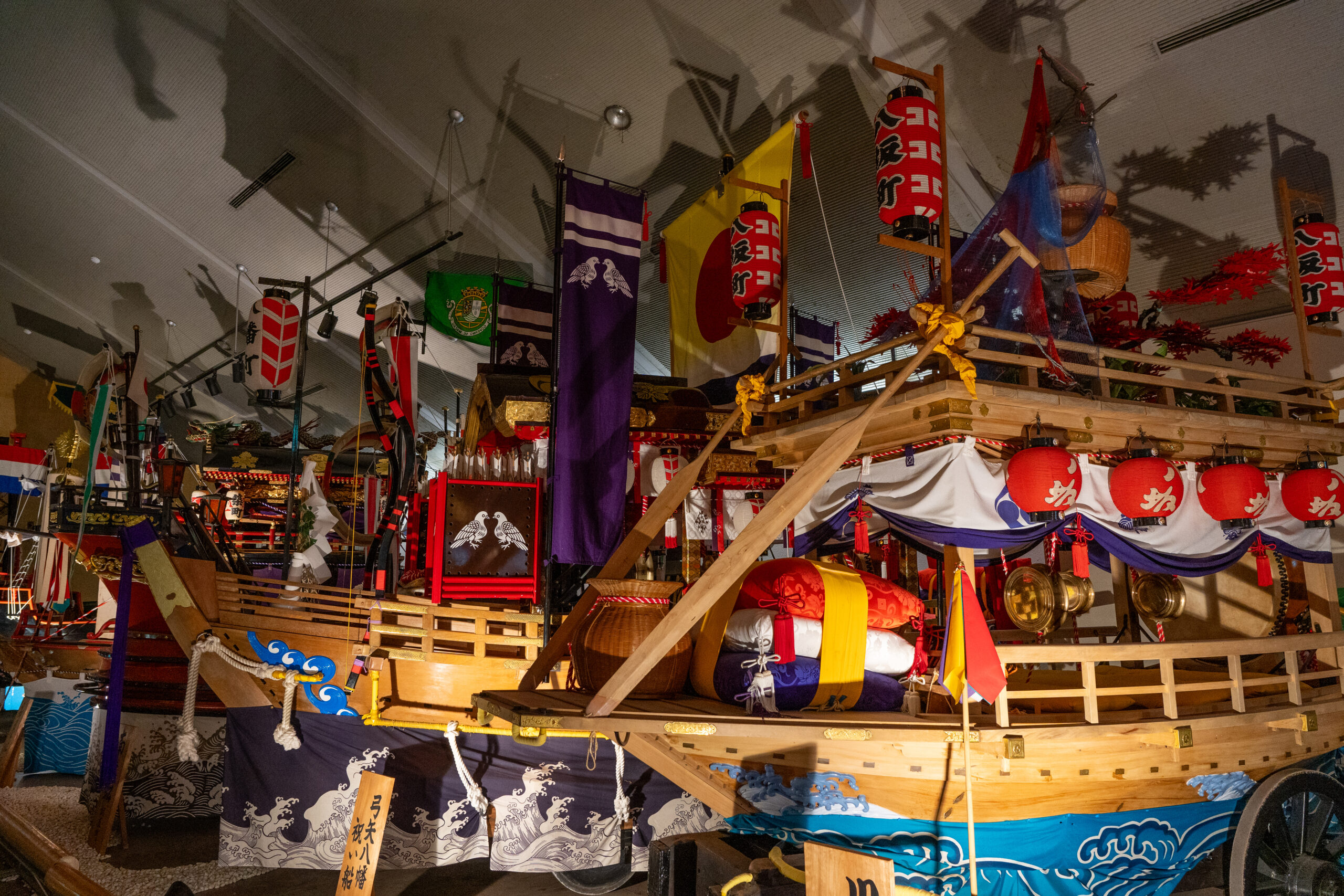
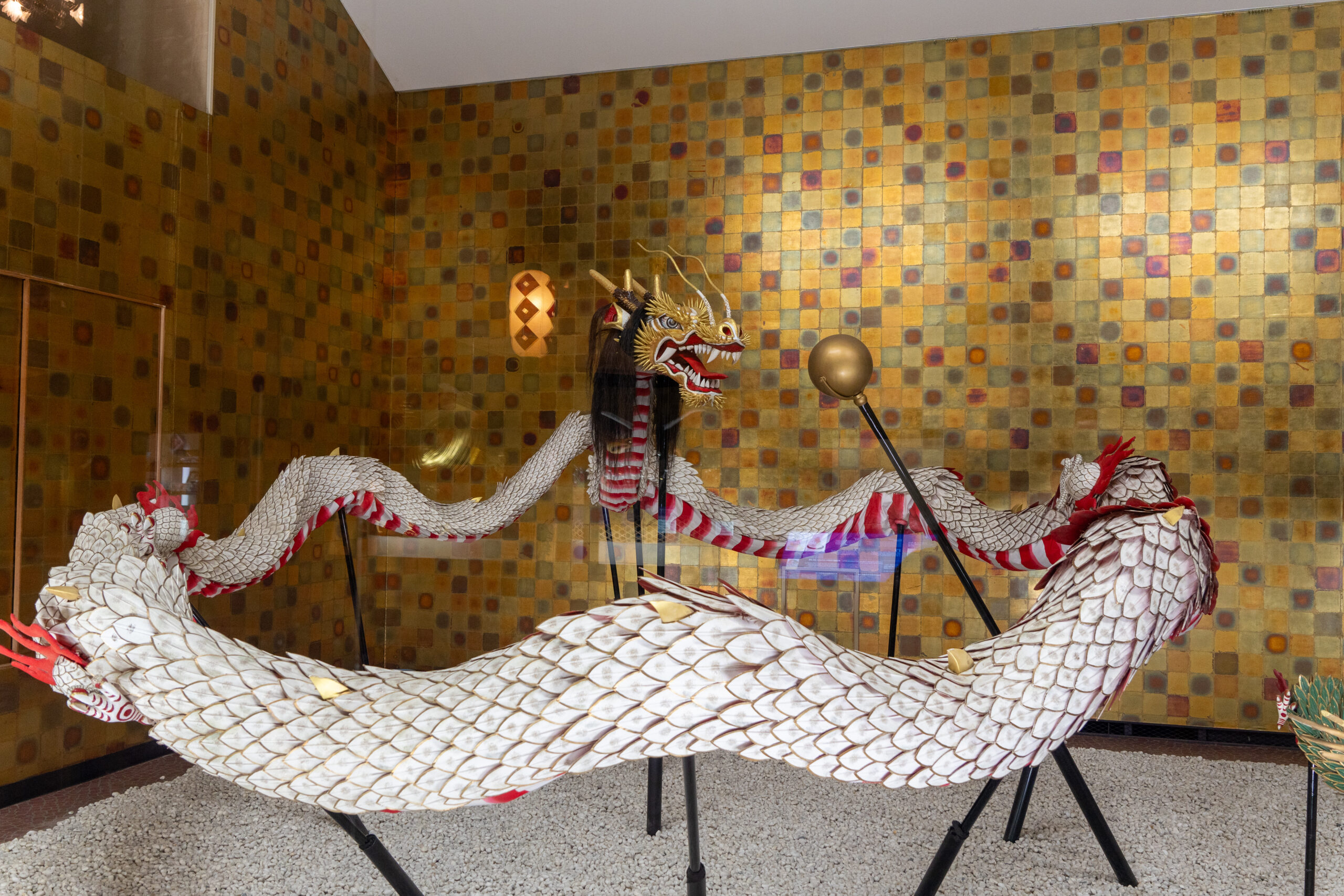
There was also a little museum displaying Nagasaki’s festival floats
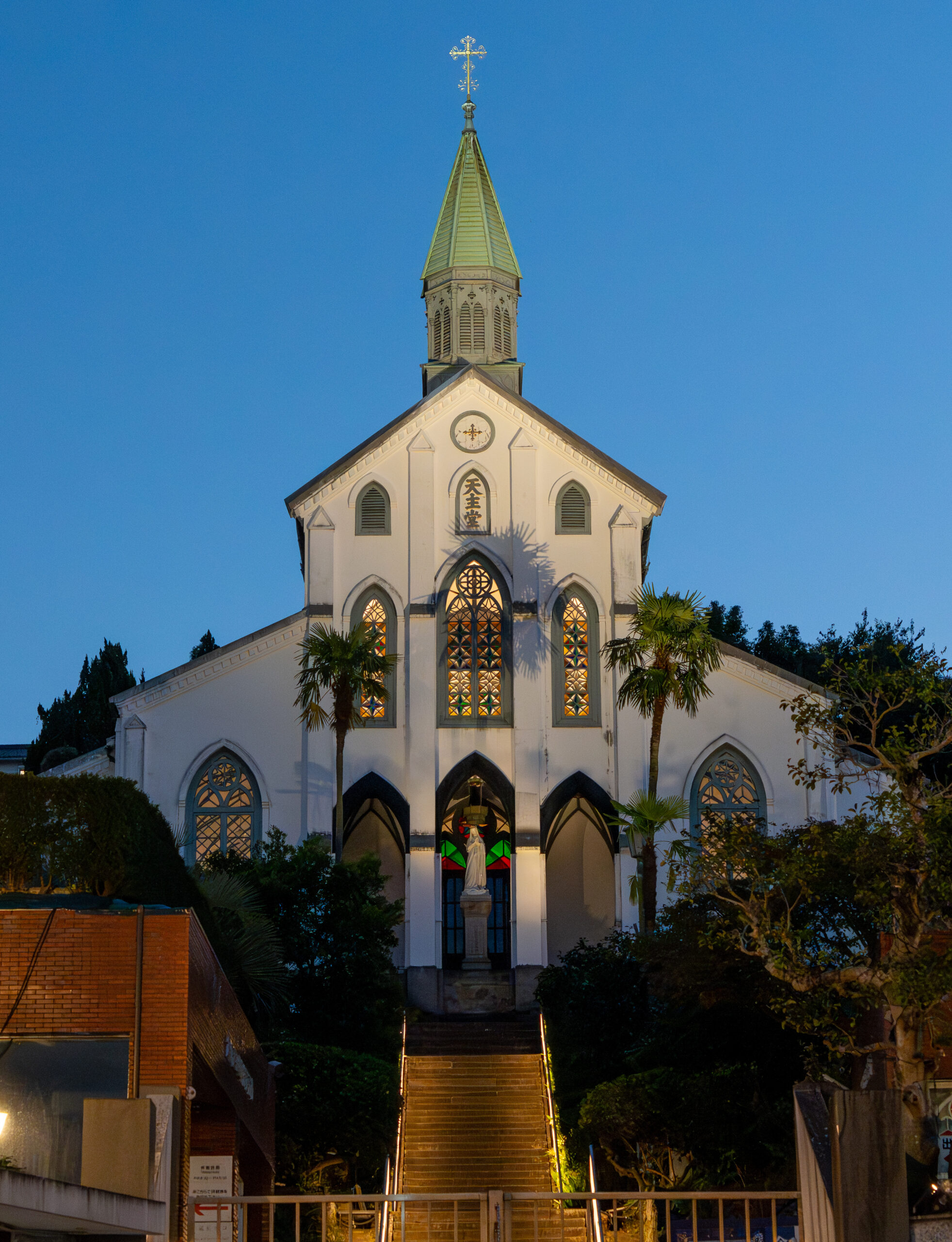
Walking back after the visit to Glover Garden, we passed Oura Church
Mount Inasa (again!)
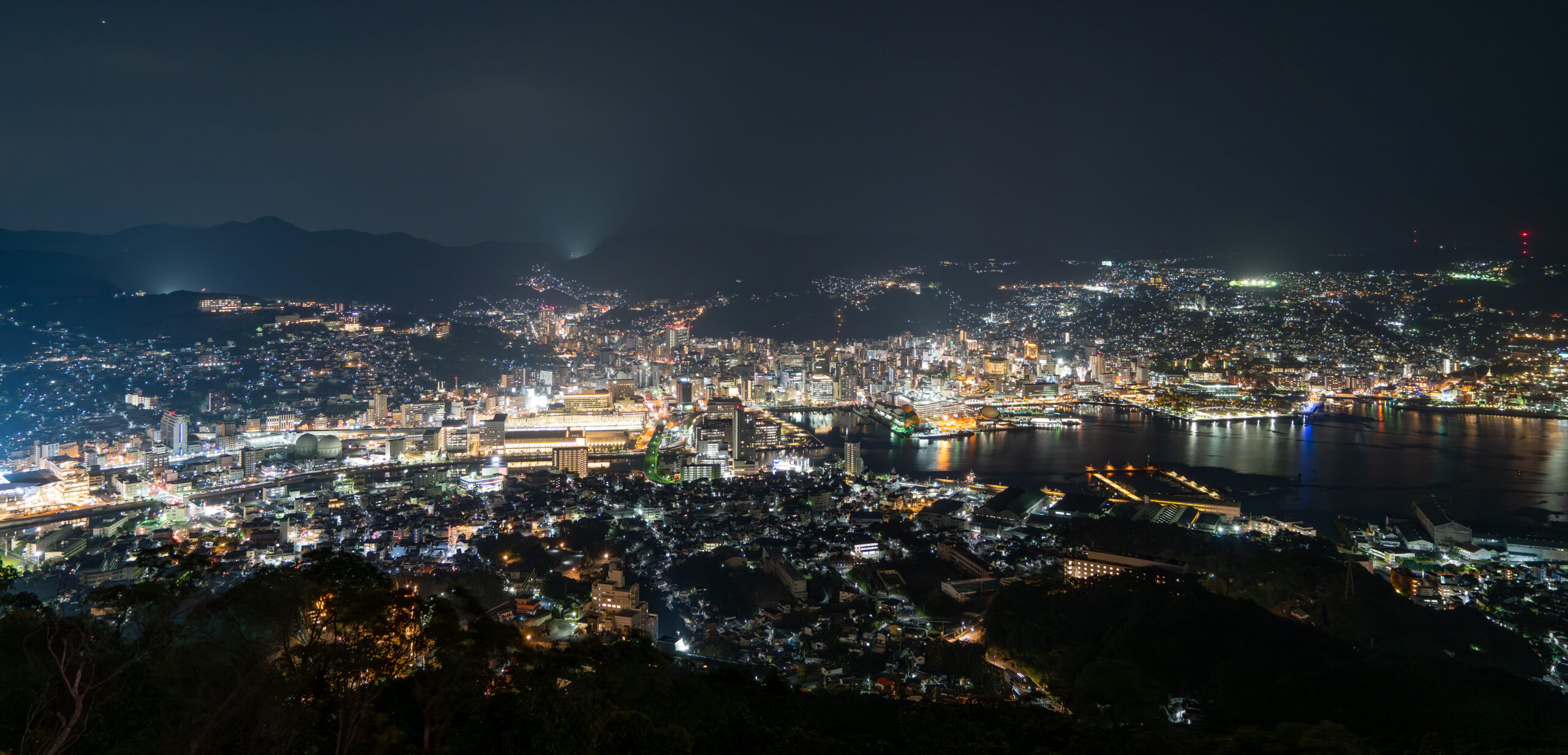
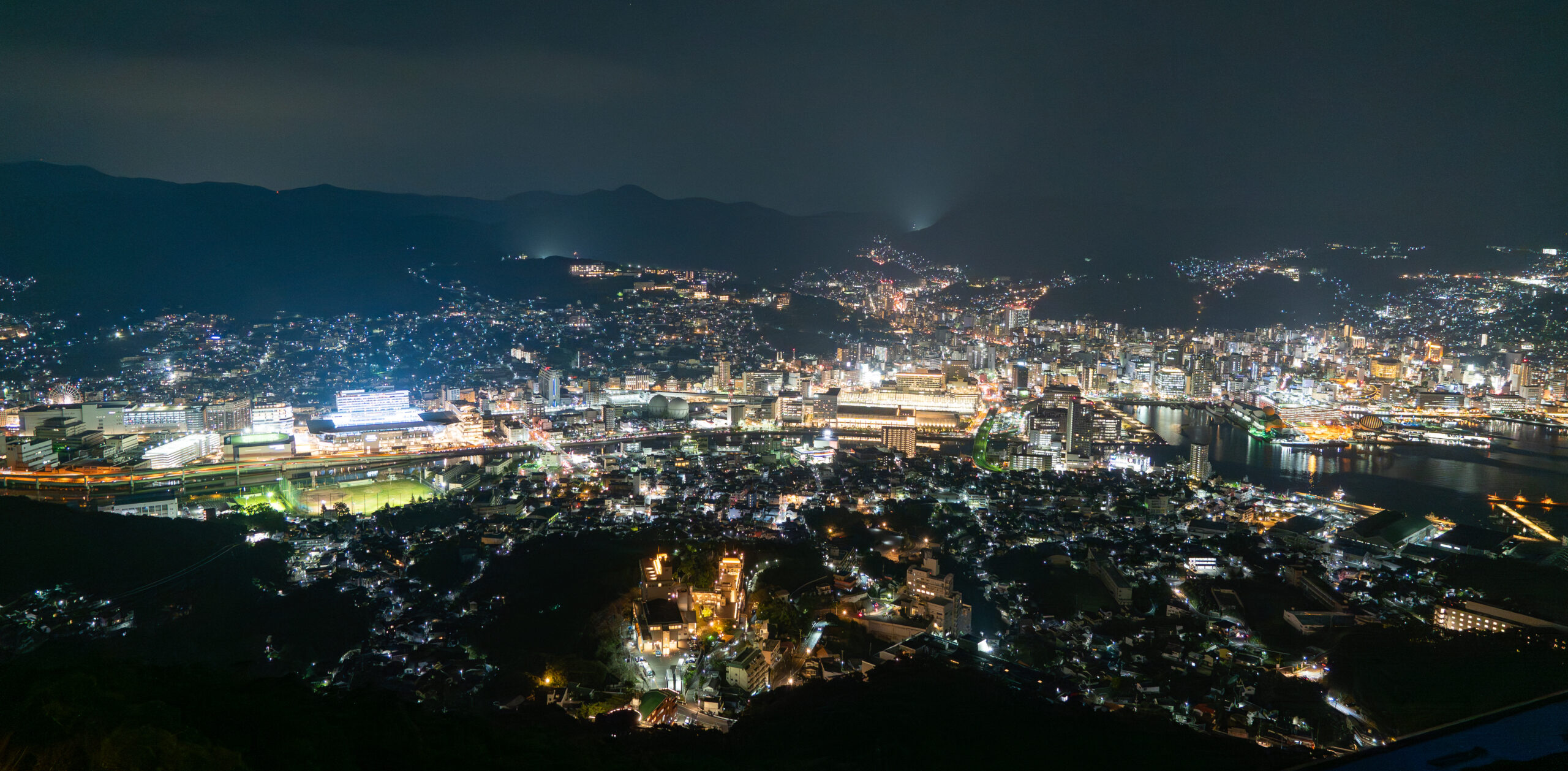
Since it was now dark, and places were closing, we took a bus back to the cable car station and went back up Mount Inasa to return to where we had parked.
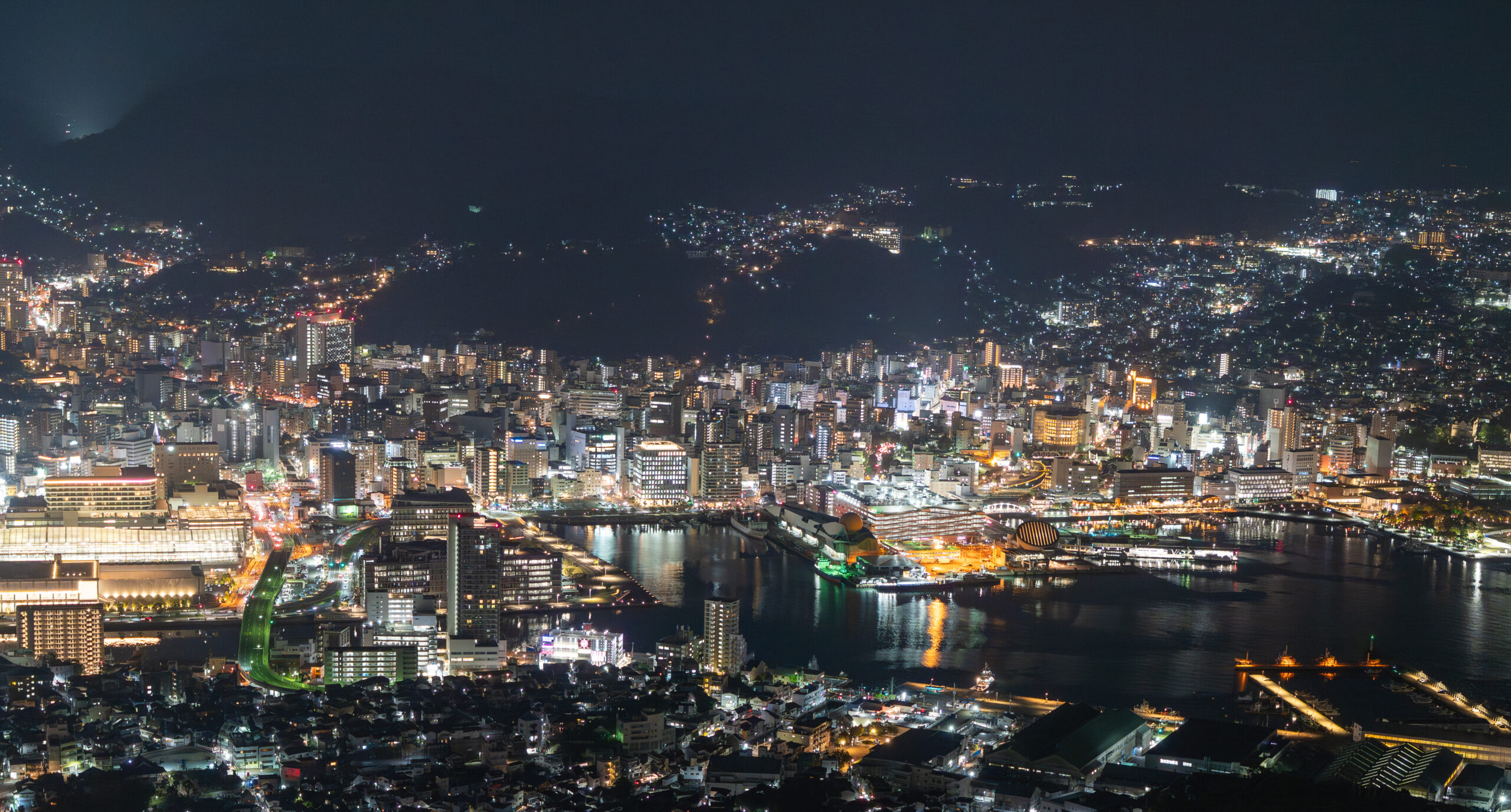
Going up at night meant we got a different view of the city, one of japan’s ‘top 3 night time views’ – Japan really likes ‘top 3’ lists!
We then drove back to the house and since it was late, just picked up some bentos from the conbini for dinner